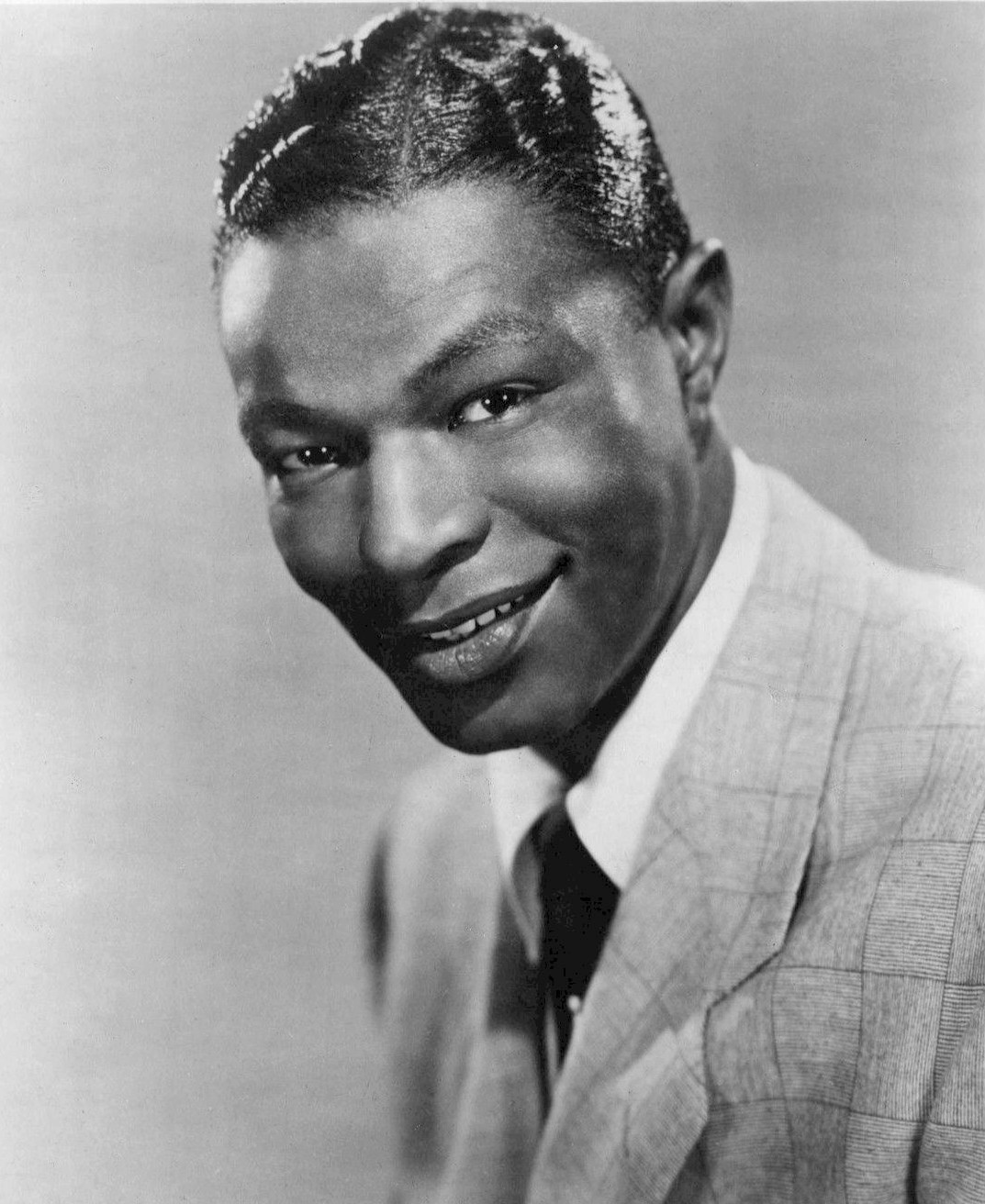
Person · History

Ella Fitzgerald

@ellafitzgerald

Explore the comprehensive timeline of Ella Fitzgerald, the 'First Lady of Song', tracing her legendary career in jazz, from her early beginnings to her rise as a global icon. Discover key milestones, collaborations, and timeless contributions to the world of music.

Born April 25, 1917
Known as Singer
Newport News, Virginia, United States
8Events
79Years
1900
1910
1920
1930
1940
1950
1960
1970
1980
1990
2000
1912
1914
1916
1918
1922
1924
1926
1928
1932
1934
1936
1938
1942
1944
1946
1948
1952
1954
1956
1958
1962
1964
1966
1968
1972
1974
1976
1978
1982
1984
1986
1988
1992
1994
1996
1998
2002
2004
15juni
1996
15 juni 1996

Passing of Ella Fitzgerald

Ella Fitzgerald passed away on June 15, 1996, at her home in Beverly Hills, California, due to complications from diabetes. Her death marked the end of an era in jazz music, as she was one of its most celebrated voices. Fitzgerald's career was notable for its influence on jazz music and her role in breaking racial barriers in the entertainment industry. Her legacy lives on in the numerous recordings she made, and she remains an inspiration for countless musicians and singers. Her life and work were celebrated by fans and artists worldwide, demonstrating her impact and the high regard in which she was held by peers and admirers alike.

15juni
1993
15 juni 1993

Final Public Performance

Ella Fitzgerald gave her last public performance on June 15, 1993, at Carnegie Hall in New York City. Despite health challenges, her performance was met with an enthusiastic response from her audience, reflecting the lasting impact of her vocal artistry and her deep connection with her fans. Her career spanned nearly six decades, and she left an indelible mark in the world of jazz music. Her final performance was a fitting farewell to a storied career, remembered as one of the most beloved jazz singers in history.

Sources:
15maart
1987
15 maart 1987

Receives National Medal of Arts

Ella Fitzgerald was awarded the National Medal of Arts in 1987, becoming one of the first recipients of this prestigious award. The National Medal of Arts is designed to recognize outstanding contributions to the excellence, growth, support, and availability of the arts in the United States. Fitzgerald's influence on music, especially jazz and pop standards, was profound, and this award highlighted her exceptional contributions to the American cultural scene. Her unique voice and style transcended barriers, making her one of the most celebrated female vocalists of the century.

21oktober
1974
21 oktober 1974

Concert at Carnegie Hall

Ella Fitzgerald performed at the famous Carnegie Hall on October 21, 1974, marking one of the numerous times she would grace this prestigious stage. Her concerts at Carnegie were often highlights of her career, allowing her to showcase her vocal prowess in one of the world's most respected music venues. This particular concert was noted for its blend of her classic arrangements and some contemporary works, reflecting her versatility and enduring appeal across different musical eras. Her performances here were praised for both their emotional depth and technical mastery, solidifying her reputation as one of the greatest jazz singers of all time.

15maart
1960
15 maart 1960

Ella Fitzgerald Sings the George and Ira Gershwin Song Book Released

Released on March 15, 1960, 'Ella Fitzgerald Sings the George and Ira Gershwin Song Book' is a multi-volume album by Ella Fitzgerald, where she performed songs by George and Ira Gershwin. It is widely considered one of the greatest vocal jazz albums of all time. The album not only showcased Fitzgerald's remarkable talent and her ability to interpret complex compositions but also expanded her audience by attracting fans of traditional pop. Fitzgerald's interpretation and delivery were praised for both their technical brilliance and emotional depth, confirming her status as an uncontested giant of jazz music.

Sources:
24februari
1958
24 februari 1958

First Grammy Wins

Ella Fitzgerald made history at the inaugural Grammy Awards in 1958, where she won Grammy Awards for Best Vocal Performance, Female, and Best Jazz Performance, Individual. She was the first African-American woman to win a Grammy and her wins were significant not only for her career but also as a landmark event for the inclusion and recognition of African American artists in the music industry.

Sources:
01januari
1938
01 januari 1938

A-Tisket, A-Tasket is Released

In 1938, Ella Fitzgerald gained national fame when she recorded the nursery rhyme A-Tisket, A-Tasket with the Chick Webb Orchestra. The single became a major hit, selling one million copies, and launched her career as a prominent jazz singer. This song was so popular that it stayed at the number one spot on the charts for 10 weeks. It demonstrated her exceptional talent and contributed significantly to her legacy as one of the most influential jazz vocalists.

25april
1917
25 april 1917

Birth of Ella Fitzgerald

Ella Jane Fitzgerald was born on April 25, 1917, in Newport News, Virginia. She was an American jazz singer, sometimes referred to as the First Lady of Song, Queen of Jazz, and Lady Ella. She was noted for her purity of tone, impeccable diction, phrasing, timing, and a 'horn-like' improvisational ability, particularly in her scat singing. Fitzgerald began her career as a singer in the Harlem swing scene of the 1930s and achieved national fame after being discovered in an amateur singing competition.

Frequently asked questions about Ella Fitzgerald

Discover commonly asked questions regarding Ella Fitzgerald. If there are any questions we may have overlooked, please let us know.

When was Ella Fitzgerald born?

When did Ella Fitzgerald pass away?

What are some significant milestones in Ella Fitzgerald's early career?

When did Ella Fitzgerald start her solo career?