Place · History

Dhaka

@dhaka
10Events
48Years
1965
1970
1975
1980
1985
1990
1995
2000
2005
2010
2015
2020
1968
1969
1971
1972
1973
1974
1976
1977
1978
1979
1981
1982
1983
1984
1986
1987
1988
1989
1991
1992
1993
1994
1996
1997
1998
1999
2001
2002
2003
2004
2006
2007
2008
2009
2011
2012
2013
2014
2016
2017
2018
2019
2021
2022
2023
20februari
2019
20 februari 2019

Chawkbazar Fire Tragedy

On February 20, 2019, a horrific fire broke out in Chawkbazar, one of the oldest neighborhoods in Old Dhaka, Bangladesh. The fire started due to a gas cylinder explosion and rapidly spread through the congested area filled with chemical warehouses and residential buildings. The blaze burned throughout the night, claiming the lives of at least 80 people and injuring many more. This disaster once again highlighted the perilous urban conditions in Dhaka, particularly in terms of fire safety regulations and the dangerous storage of flammable substances in densely populated areas.

Sources:
02juli
2018
02 juli 2018

Student Protest over Road Safety

In July 2018, Dhaka became the epicenter of nationwide student protests in Bangladesh over road safety after two students were killed by a speeding bus. The incident ignited widespread anger over the lack of enforcement of traffic laws and poor road conditions. Students took to the streets, called for stricter regulations and better safety measures in the transportation sector. The protests, which lasted for several days, disrupted daily life in Dhaka, and led to violent clashes with law enforcement. The government eventually responded by promising reforms in traffic regulations.

01juli
2016
01 juli 2016

Dhaka Terrorist Attack

On July 1, 2016, gunmen stormed the Holey Artisan Bakery in the Gulshan district of Dhaka, Bangladesh, taking hostages and killing 22 people, including 17 foreigners. The attackers were linked to the local militant group Jamaat-ul-Mujahideen Bangladesh, which claimed allegiance to ISIL. This attack was one of the deadliest in Bangladesh's history and highlighted the growing threat of extremism in the country. The incident prompted a major crackdown on militancy by the Bangladeshi authorities, leading to a series of raids and arrests to prevent further attacks.

05mei
2013
05 mei 2013

Hefazat-e-Islam Protest

On May 5, 2013, the Islamist group Hefazat-e-Islam organized a massive protest in Dhaka, Bangladesh. The protesters were pressuring the government to adopt a 13-point charter demanding various Islamic principles to be implemented, such as stricter blasphemy laws and mandatory Islamic education. The protest turned violent, with clashes between the protesters and law enforcement, resulting in many injuries and fatalities. The crackdown by police and security forces dispersed the protestors by the next morning. The event highlighted the tensions between secularism and religious fundamentalism in Bangladesh.

Sources:
24april
2013
24 april 2013

Rana Plaza Collapse

On April 24, 2013, the Rana Plaza building, an eight-story commercial building in Savar, near Dhaka, collapsed, causing one of the deadliest industrial disasters in history. The building housed several garment factories and stores, employing thousands of workers. Due to lack of proper construction practices and oversight, the structure crumbled, killing over 1,100 people and injuring around 2,500. The disaster raised global awareness about the conditions of workers in the Bangladeshi garment industry, prompting calls for improved safety standards and regulatory enforcement.

Sources:
03juni
2010
03 juni 2010

Nimtoli Fire Tragedy

On June 3, 2010, a devastating fire broke out in the Nimtoli area of Old Dhaka, Bangladesh. The fire was caused by an electrical transformer explosion which quickly ignited chemicals stored in a nearby shop. The blaze spread through the congested residential area, fueled by flammable substances stored in homes and buildings. It claimed the lives of at least 117 people and injured over 200. This disaster brought attention to the dangerous urban planning practices and storage regulations in Dhaka, prompting calls for regulation and safety improvements to prevent future catastrophes of a similar nature.

Sources:
25februari
2009
25 februari 2009

Bangladesh Rifles Mutiny

On February 25, 2009, a mutiny broke out among the Bangladesh Rifles (BDR), the paramilitary border security force, at the BDR headquarters in Dhaka. The mutiny was driven by grievances over pay and working conditions and quickly escalated into violence. Over two days, nearly 74 people, including senior officers, were killed. The mutiny ended when the Bangladesh Army and government forces took back control. Subsequently, trials were conducted to prosecute those involved in the mutiny. This event was a major security crisis for the country and had lasting impacts on its military and political landscape.

Sources:
27februari
1996
27 februari 1996

February 1996 Dhaka Floods

In February 1996, Dhaka experienced one of the worst floods in its modern history, caused by extensive monsoon rains that overwhelmed the city's drainage systems. The capital city was submerged, paralyzing the traffic and causing severe disruption to daily life. The floods prompted significant displacement of populations, with thousands of homes inundated. The event exposed the vulnerabilities in Dhaka's infrastructure and planning, highlighting the need for comprehensive flood management systems to prevent future disasters of similar magnitude.

Sources:
13november
1974
13 november 1974

1974 Dhaka Famine Riots

In November 1974, Dhaka witnessed riots amid a severe famine in Bangladesh that year. The famine resulted in the deaths of approximately 1.5 million people due to starvation and disease. The economic devastation and the government's failure to effectively respond led to public outcry and unrest. On November 13, 1974, riots broke out as people looted supplies and clashed with police over food shortages and government mismanagement. This tragic part of Bangladesh's history underscores the severe human and political consequences of natural and human-made calamities.

Sources:
16december
1971
16 december 1971

Victory Day of Bangladesh

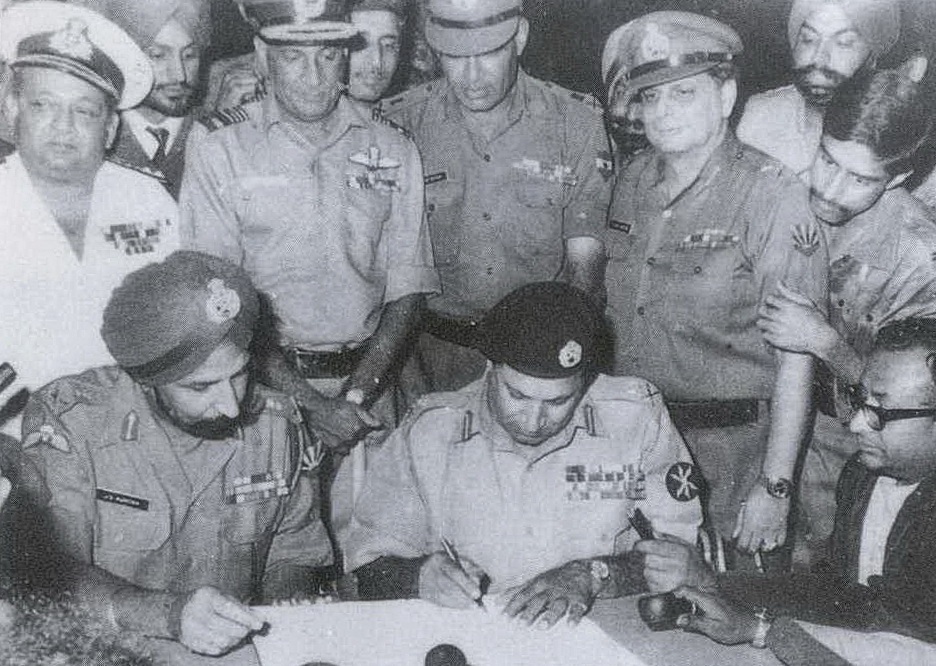
On December 16, 1971, the Pakistani military forces in East Pakistan (now Bangladesh) surrendered to the Allied forces of Bangladesh and India, marking the end of the Bangladesh Liberation War. This significant victory followed nine months of war and marked the birth of Bangladesh as an independent nation. The war was characterized by numerous human rights violations and crimes against humanity, attracting worldwide attention. Victory Day is now celebrated annually in Bangladesh, commemorating the victory over Pakistani forces.

Sources: