United Nations High Commissioner for Refugees
@unitednationshighcommissionerforrefugeesSince 1950
Explore the timeline of the UN High Commissioner for Refugees, highlighting key events and milestones in refugee protection and advocacy.
Frequently asked questions about United Nations High Commissioner for Refugees
Discover commonly asked questions regarding United Nations High Commissioner for Refugees. If there are any questions we may have overlooked, please let us know.
What is the legacy of the UNHCR?
What is the United Nations High Commissioner for Refugees (UNHCR)?
What are some key facts about the UNHCR?
Why is the UNHCR important?
Related Timepaths
People, places and organizations that appear in United Nations High Commissioner for Refugees’s events

World War II
Explore the comprehensive timeline of World War II, detailing significant events, battles, and turning points from 1939 to 1945. This overview highlights the global conflict that reshaped world history, covering major military campaigns, allied and axis powers' strategies, and pivotal moments that led to the conclusion of the deadliest war in history.

United Nations
Explore the key events and milestones in the history of the United Nations. Discover how it shaped global peace and cooperation.

Gulf War

Iraq
Explore the timeline of Iraq, a nation with a rich history and cultural heritage. This timeline covers significant events from ancient Mesopotamia to the modern state of Iraq, including the rise and fall of empires, colonial influences, major conflicts, and the country's journey towards independence and contemporary challenges.
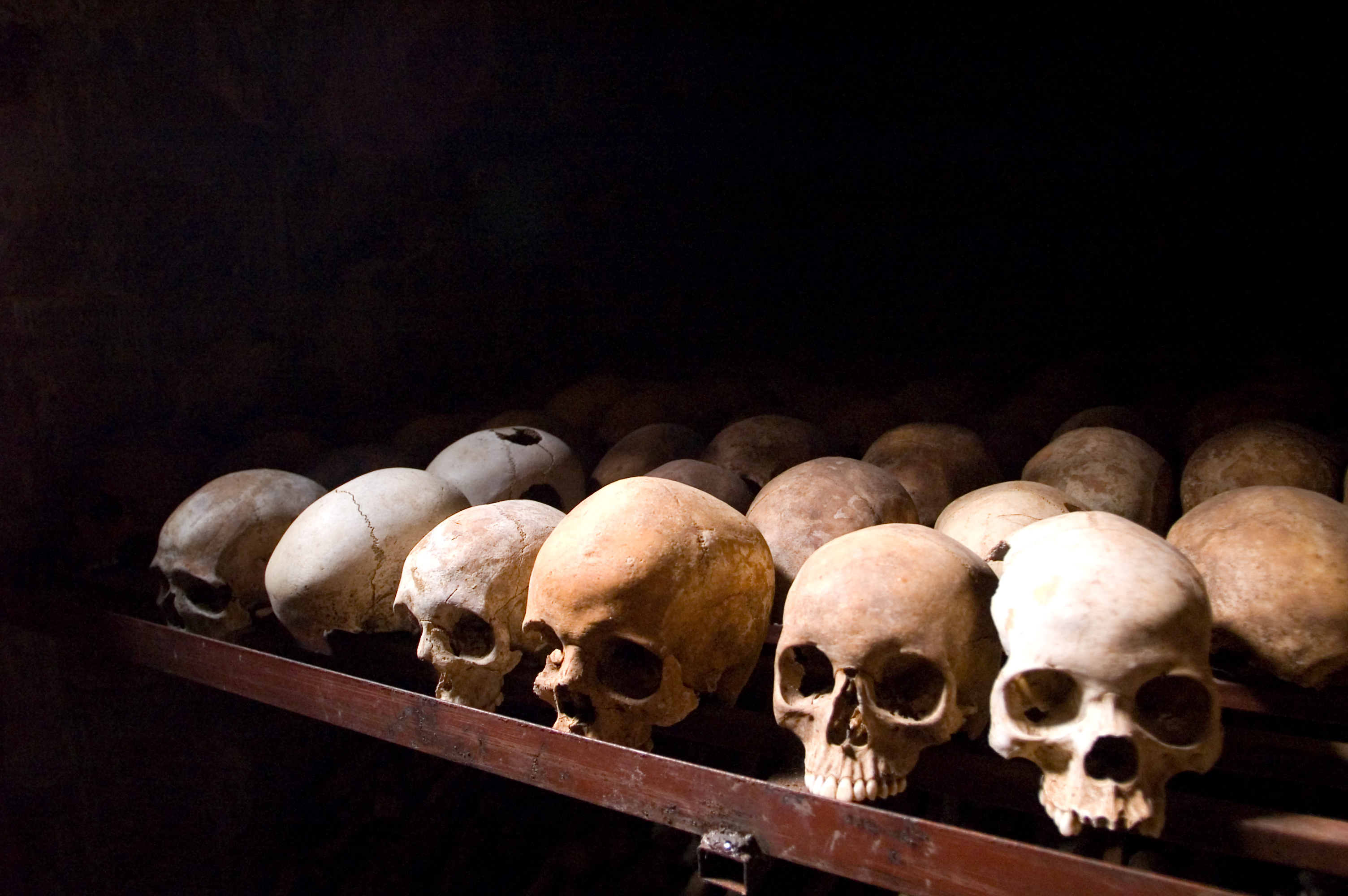
Rwandan genocide
Explore the Rwandan genocide timeline, detailing key events and impacts. Understand history to foster awareness and prevent future atrocities.

Bangladesh

Reuters
Explore the timeline of Reuters, the global news organization, highlighting key milestones in its history and development. From its founding in 1851 to its evolution in the digital age, learn about the events that have shaped Reuters' position as a leader in news and information. Discover how Reuters has expanded its reach and adapted to changing technologies and media landscapes.

COVID-19 pandemic
Explore a comprehensive timeline of the COVID-19 pandemic, from its emergence in late 2019 to the global efforts in vaccination and containment. Understand key events, milestones, and responses that shaped the course of this unprecedented global health crisis.