Person · Media

Richard Avedon

@richardavedon

Explore the significant moments in the life and career of Richard Avedon, an influential American fashion photographer known for his striking portraits and innovative work. Delve into the key events that shaped his legacy and contributions to photography.

Born May 15, 1923
Known as Photographer
New York City, New York, USA
8Events
81Years
1910
1920
1930
1940
1950
1960
1970
1980
1990
2000
2010
1916
1918
1922
1924
1926
1928
1932
1934
1936
1938
1942
1944
1946
1948
1952
1954
1956
1958
1962
1964
1966
1968
1972
1974
1976
1978
1982
1984
1986
1988
1992
1994
1996
1998
2002
2004
2006
2008
2012
25september
2004
25 september 2004

Richard Avedon's Death

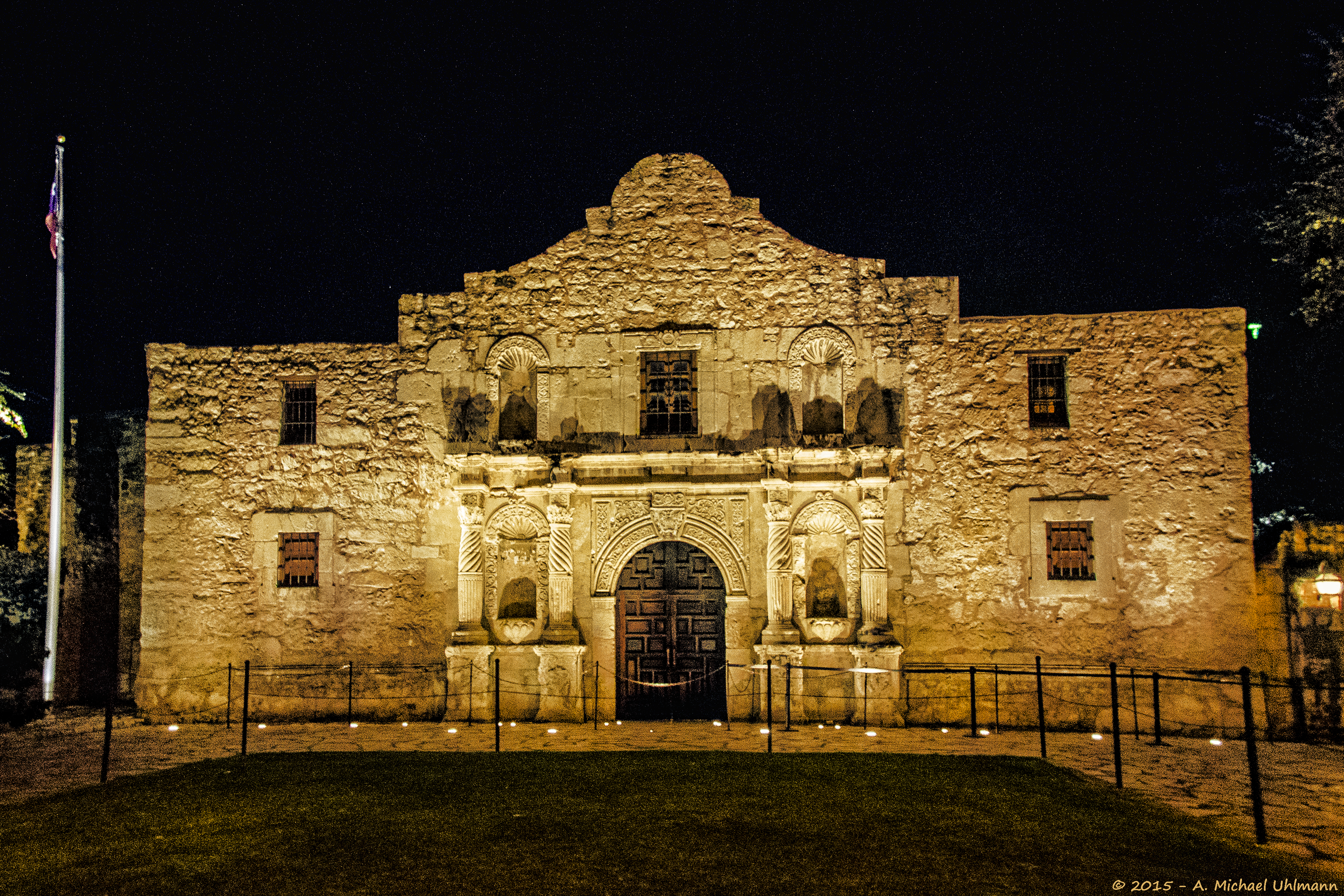
Richard Avedon passed away on September 25, 2004, in San Antonio, Texas. His death marked the end of an era in photography, but his legacy continues through his innovative works and profound influence on both fashion and portrait photography. Avedon's ability to convey emotion and character through his photographs remains celebrated.

01januari
1992
01 januari 1992

Joins The New Yorker

In 1992, Avedon became the first staff photographer for The New Yorker. His appointment underscored his status as a leading figure in photography. At The New Yorker, Avedon continued to take portraits, merging his talents in both fashion and poignant photojournalism. His ability to capture the essence of his subjects continued to be highly influential.

01januari
1985
01 januari 1985

Exhibition 'In the American West'

In 1985, he held the exhibition 'In the American West' at the Amon Carter Museum in Texas. This work was a departure from his previous fashion photography as it captured the lives of rural Americans. Avedon portrayed miners, drifters, and workers, creating a poignant narrative about American life beyond the urban landscapes.

01januari
1976
01 januari 1976

Exhibition at the Marlborough Gallery

One of Richard Avedon's key milestones was his exhibition at the Marlborough Gallery in New York in 1976. This exhibition showcased his evolution as a portrait photographer, displaying 100 images of American figures, including celebrities and everyday people, which highlighted his distinctive ability to capture personality and emotion.

01januari
1962
01 januari 1962

Becomes Vogue's Lead Photographer

In 1962, Avedon became the lead photographer for Vogue magazine. This position allowed him to establish a prolific career in fashion photography, influencing the magazine's visual style. His theatrical and vibrant fashion spreads contributed significantly to the magazine's prominence and to the fashion industry's visual culture.

01januari
1945
01 januari 1945

Joins Harper's Bazaar

In 1945, Richard Avedon joined Harper's Bazaar. Under the mentorship of Alexey Brodovitch, Avedon was able to experiment and develop his signature style. His innovative and sometimes unconventional fashion photography appeared in the magazine, helping to redefine the standards of contemporary fashion imagery.

01januari
1944
01 januari 1944

Begins Career at a Department Store

Richard Avedon's career in photography began in 1944 when he started working as a photographer for a department store. This experience provided him with a foundation in commercial photography, and soon after, he was discovered by Alexey Brodovitch, the art director of Harper's Bazaar, which significantly propelled his career.

15mei
1923
15 mei 1923

Birth of Richard Avedon

Richard Avedon was born on May 15, 1923, in New York City. He would grow up to become one of America's most influential fashion and portrait photographers. Avedon's work redefined the aesthetic standards of fashion photography, pushing the boundaries with his innovative ideas and techniques.

Frequently asked questions about Richard Avedon

Discover commonly asked questions regarding Richard Avedon. If there are any questions we may have overlooked, please let us know.

Who was Richard Avedon?

When did Richard Avedon pass away?

What are some key milestones in Richard Avedon's career?

What is Richard Avedon's impact on photography?