Red Cross (disambiguation)
@redcross(disambiguation)Explore the history and milestones of the Red Cross, highlighting its various meanings and significant events. Dive into the timeline now!
Red Cross Response to COVID-19 Pandemic
The International Red Cross and Red Crescent Movement played a crucial role in responding to the COVID-19 pandemic, providing medical supplies, supporting vaccination campaigns, and offering mental health services. Their efforts were vital in addressing the global health crisis and supporting vulnerable communities.
Adoption of the Red Crystal Emblem
The Red Crystal emblem was adopted as an additional protective symbol by the International Conference of the Red Cross and Red Crescent. This emblem provides a neutral alternative to the Red Cross and Red Crescent, ensuring protection for medical personnel and facilities in all contexts.
Introduction of the Red Crescent Emblem
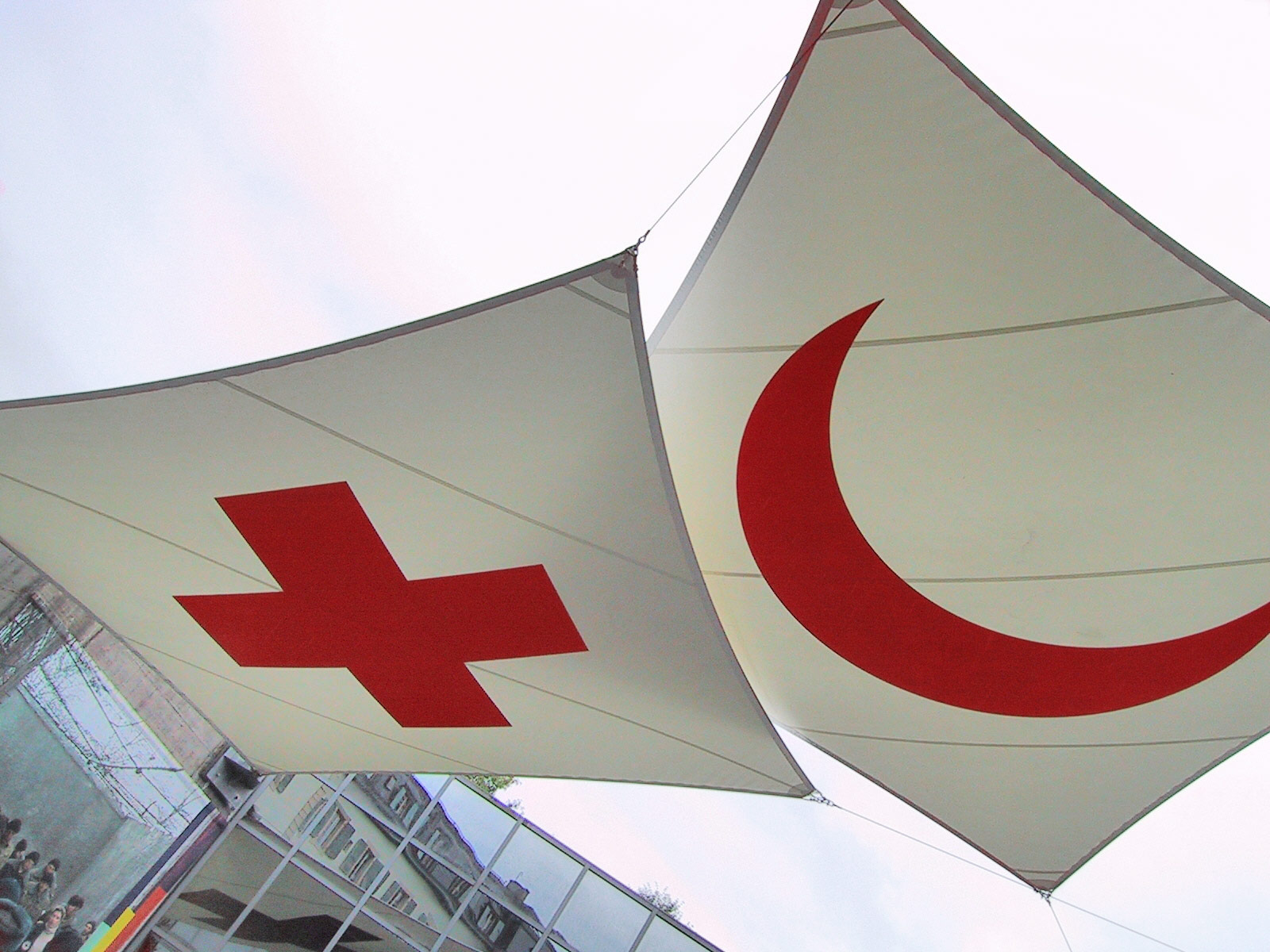
The Red Crescent emblem was introduced as an alternative to the Red Cross emblem in countries where the cross was not culturally acceptable. This emblem is now widely used in Muslim-majority countries and is recognized as a protective symbol under international humanitarian law.
Proclamation of the Fundamental Principles of the Red Cross
The Fundamental Principles of the Red Cross and Red Crescent were proclaimed at the 20th International Conference of the Red Cross in Vienna, Austria. These principles, including humanity, impartiality, neutrality, independence, voluntary service, unity, and universality, guide the actions of the Red Cross and Red Crescent Movement.
Adoption of the Geneva Conventions of 1949
The Geneva Conventions of 1949 were adopted, significantly expanding the scope of international humanitarian law. These conventions established comprehensive rules for the protection of civilians, prisoners of war, and the wounded during armed conflicts, reinforcing the principles of the Red Cross.
League of Red Cross Societies Established
The League of Red Cross Societies, now known as the International Federation of Red Cross and Red Crescent Societies (IFRC), was established in Paris, France. It aimed to coordinate international relief efforts and promote the development of national Red Cross and Red Crescent societies worldwide.
American Red Cross Founded
The American Red Cross was founded by Clara Barton in Washington, D.C., United States. Inspired by her experiences during the Civil War and her work with the International Red Cross, Barton established the organization to provide emergency assistance, disaster relief, and education in the United States.
Adoption of the Red Cross Emblem
The red cross emblem was officially adopted as a protective symbol for medical personnel and facilities in armed conflicts. This emblem, a reversal of the Swiss flag, was chosen to honor Switzerland's neutrality and the origins of the Red Cross movement.
First Geneva Convention
The First Geneva Convention was adopted in Geneva, Switzerland, marking a significant milestone in international humanitarian law. It established guidelines for the treatment of wounded soldiers and medical personnel during wartime, laying the groundwork for future conventions.
Founding of the International Committee of the Red Cross
The International Committee of the Red Cross (ICRC) was founded in Geneva, Switzerland, by Henry Dunant and Gustave Moynier. This organization was established to provide humanitarian aid and protect the lives and dignity of victims of armed conflict and other situations of violence.
Frequently asked questions about Red Cross (disambiguation)
Discover commonly asked questions regarding Red Cross (disambiguation). If there are any questions we may have overlooked, please let us know.
What are the different organizations referred to as 'Red Cross'?
What is the legacy of the Red Cross?
What is the Red Cross?
How does the Red Cross impact communities?
Related Timepaths
Timepaths that crossed paths with Red Cross (disambiguation)