International Red Cross and Red Crescent Movement
@internationalredcrossandredcrescentmovementSince 1863
Explore the timeline of the International Red Cross and Red Crescent Movement, highlighting key events and milestones in humanitarian aid.
Frequently asked questions about International Red Cross and Red Crescent Movement
Discover commonly asked questions regarding International Red Cross and Red Crescent Movement. If there are any questions we may have overlooked, please let us know.
What is the International Red Cross and Red Crescent Movement?
What is the significance of the Red Cross and Red Crescent symbols?
How does the International Red Cross and Red Crescent Movement operate?
What impact has the International Red Cross and Red Crescent Movement had globally?
Related Timepaths
People, places and organizations that appear in International Red Cross and Red Crescent Movement’s events
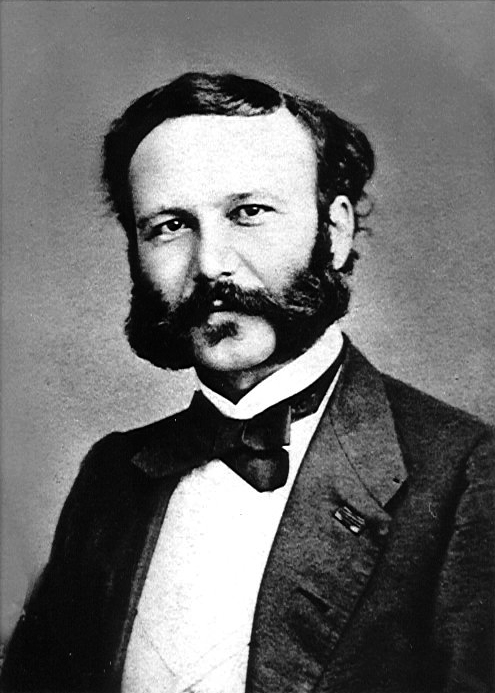
Henry Dunant
Explore the key events in the life of Henry Dunant, the visionary humanitarian who founded the Red Cross. From his birth in Geneva in 1828, through his life-changing experiences at the Battle of Solferino in 1859, to his efforts in creating the International Red Cross and Red Crescent Movement, and his Nobel Peace Prize win in 1901. Discover his lasting impact on international humanitarian efforts and his legacy in fostering global compassion.

Paris
Explore the rich history of Paris through a curated timeline highlighting significant events, from its ancient origins and medieval developments to its role in the modern world. Discover how Paris transformed into a global center of art, culture, and politics.

Vienna
Explore the rich and diverse history of Vienna through this comprehensive timeline. Discover key events that have shaped the Austrian capital, from its early beginnings as a Roman outpost to its role as a cultural and political hub in Europe. Learn about the Habsburg dynasty, the city's architectural and artistic heritage, and its influence in modern times.

Italy
Explore the comprehensive timeline of Italy, highlighting significant events and milestones that have shaped its history and culture. From the ancient Roman Empire to the modern Republic, discover the pivotal moments that define Italy's rich heritage and impact on the world.
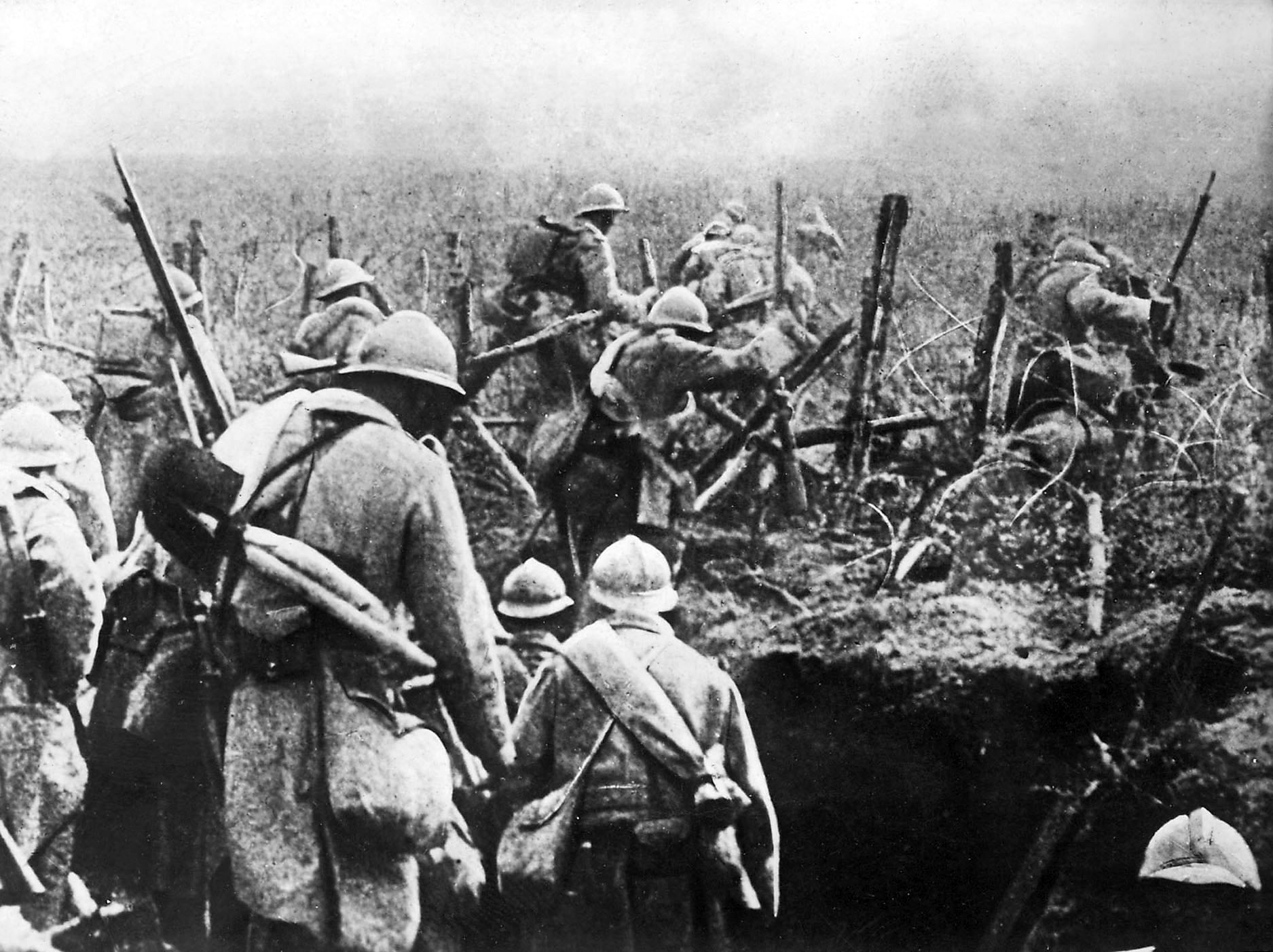
World War I
Explore the comprehensive timeline of World War I, detailing key events, battles, and turning points from 1914 to 1918. Understand the sequence of events that shaped the course of the Great War and its global impact.

World War II
Explore the comprehensive timeline of World War II, detailing significant events, battles, and turning points from 1939 to 1945. This overview highlights the global conflict that reshaped world history, covering major military campaigns, allied and axis powers' strategies, and pivotal moments that led to the conclusion of the deadliest war in history.
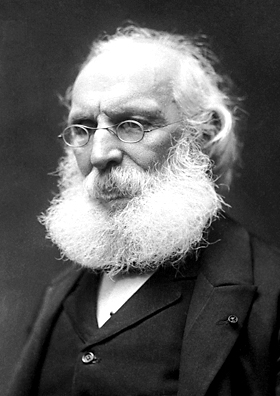
Frédéric Passy
Explore the chronological timeline of Frédéric Passy, a renowned French economist and peace advocate, best known for being a co-recipient of the first Nobel Peace Prize in 1901. Delve into the key events of his life, his contributions to the peace movement, and his enduring legacy as a pioneer in the quest for global peace.

United States
Explore the historical timeline of the United States, covering key events from its founding to the present day. Delve into significant milestones that have shaped the nation, including the American Revolution, Civil War, civil rights movements, and more. Understand the critical moments that have influenced the social, political, and cultural evolution of America.

Russia
Explore the timeline of Russia, detailing significant historical events and transformations that have shaped the nation from its early beginnings in the Kievan Rus, through the Tsardom of Russia, the rise and fall of the Soviet Union, to the modern Russian Federation. This comprehensive timeline highlights pivotal moments in politics, culture, and society, offering insights into Russia's rich and complex history.

Iran
Explore the rich and complex history of Iran through a detailed timeline, highlighting key events and transitions from ancient Persia to the modern Islamic Republic. This comprehensive overview provides insights into Iran's cultural, political, and social evolution across centuries.