Organization · Other

International Committee of the Red Cross

@internationalcommitteeoftheredcross
10 Events1863 – 2020157 Years

Explore the key events and milestones of the International Committee of the Red Cross. Discover its impact on humanitarian efforts worldwide.

Founded:January 01, 1863
1840
1850
1860
1870
1880
1890
1900
1910
1920
1930
1940
1950
1960
1970
1980
1990
2000
2010
2020
2030
1848
1852
1862
1872
1882
1892
1902
1912
1922
1932
1942
1952
1962
1972
1982
1992
2002
2012
2022
2032
01januari
2020
01 januari 2020

ICRC's Efforts During the COVID-19 Pandemic

During the COVID-19 pandemic, the ICRC adapted its operations to address the unique challenges posed by the global health crisis. The organization focused on supporting healthcare systems, ensuring the protection of detainees, and maintaining humanitarian aid in conflict zones. The ICRC's response underscored its adaptability and ongoing commitment to humanitarian principles.

Sources:
01januari
2010
01 januari 2010

ICRC's Response to the Haiti Earthquake

Following the devastating earthquake in Haiti, the ICRC launched a major humanitarian response, providing emergency medical care, clean water, and shelter to thousands of affected individuals. The organization's swift action demonstrated its capacity to respond to natural disasters and its commitment to alleviating human suffering in crisis situations.

Sources:
01januari
2005
01 januari 2005

Adoption of the Third Additional Protocol

The Third Additional Protocol to the Geneva Conventions was adopted, introducing the Red Crystal as an additional emblem. This new emblem provided an alternative to the Red Cross and Red Crescent, allowing for greater flexibility and acceptance in diverse cultural and religious contexts. The ICRC supported this development to enhance the universality of its humanitarian mission.

Sources:
01januari
1993
01 januari 1993

ICRC's Role in the Rwandan Genocide

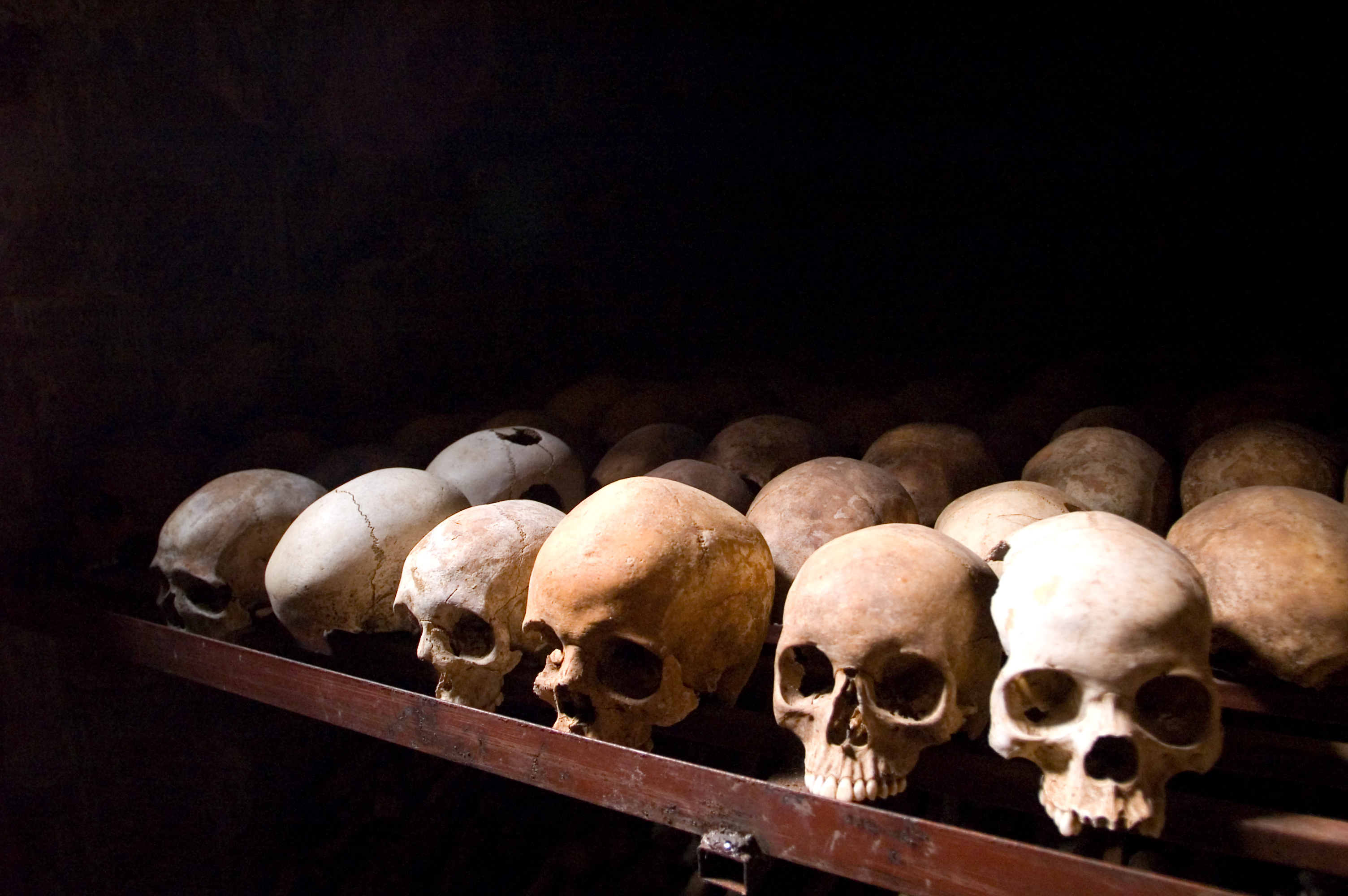
During the Rwandan Genocide, the ICRC was one of the few organizations that remained operational in the country. It provided crucial humanitarian assistance, including medical care and food distribution, amidst the violence. The ICRC's efforts during this period highlighted its commitment to neutrality and its ability to operate in highly dangerous environments.

Sources:
01januari
1965
01 januari 1965

Proclamation of the Fundamental Principles of the Red Cross

The Fundamental Principles of the Red Cross were proclaimed at the 20th International Conference of the Red Cross in Vienna. These principles include humanity, impartiality, neutrality, independence, voluntary service, unity, and universality. They guide the work of the ICRC and the broader Red Cross and Red Crescent Movement, ensuring a consistent approach to humanitarian aid.

Sources:
12augustus
1949
12 augustus 1949

Adoption of the Geneva Conventions of 1949

The Geneva Conventions of 1949 were adopted, significantly expanding the legal protections for victims of war. These conventions included provisions for the protection of civilians, prisoners of war, and the wounded and sick. The ICRC played a crucial role in the development and promotion of these conventions, which remain the cornerstone of international humanitarian law.

Sources:
01januari
1928
01 januari 1928

Adoption of the Red Cross Emblem

The Red Cross emblem was officially adopted as a symbol of neutrality and protection in armed conflicts. The emblem, a red cross on a white background, is recognized worldwide and serves as a protective sign for medical personnel and facilities. This adoption reinforced the ICRC's commitment to impartiality and neutrality in conflict zones.

Sources:
10december
1901
10 december 1901

Henry Dunant Awarded the First Nobel Peace Prize

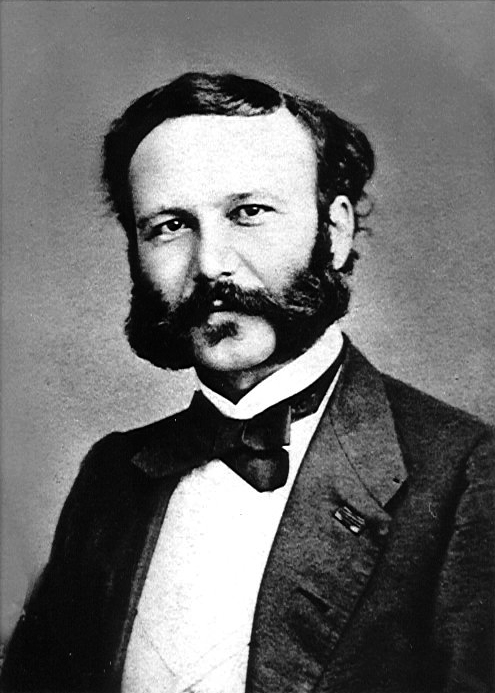
Henry Dunant, co-founder of the ICRC, was awarded the first Nobel Peace Prize in recognition of his role in founding the Red Cross and initiating the Geneva Convention. This award highlighted the global impact of Dunant's humanitarian efforts and the importance of the ICRC in promoting peace and alleviating human suffering.

Sources:
22augustus
1864
22 augustus 1864

First Geneva Convention

The First Geneva Convention was adopted in Geneva, Switzerland, establishing the legal basis for the protection of the wounded and sick in armed forces in the field. This convention was a landmark in international humanitarian law and laid the groundwork for future treaties. It was a direct result of the efforts of the ICRC and its founders.

Sources:
17februari
1863
17 februari 1863

Founding of the International Committee of the Red Cross

The International Committee of the Red Cross (ICRC) was founded in Geneva, Switzerland, by Henry Dunant and Gustave Moynier, among others. The organization was established to provide humanitarian aid and protect the lives and dignity of victims of armed conflict and violence. Its founding marked a significant step in the development of international humanitarian law.

Sources:

Frequently asked questions about International Committee of the Red Cross

Discover commonly asked questions regarding International Committee of the Red Cross. If there are any questions we may have overlooked, please let us know.

What impact has the ICRC had on global humanitarian law?

What is the significance of the ICRC in humanitarian efforts?

How does the ICRC fund its activities?

What is the International Committee of the Red Cross (ICRC)?