Leonardo da Vinci
@leonardodavinci1452 — 1519
Explore the life and achievements of Leonardo da Vinci through an engaging timeline. Discover his masterpieces and innovations!
Frequently asked questions about Leonardo da Vinci
Discover commonly asked questions regarding Leonardo da Vinci. If there are any questions we may have overlooked, please let us know.
How did Leonardo da Vinci influence art?
What is Leonardo da Vinci known for?
What is Leonardo da Vinci's legacy?
What were some of Leonardo da Vinci's contributions to science?
Related Timepaths
People, places and organizations that appear in Leonardo da Vinci’s events
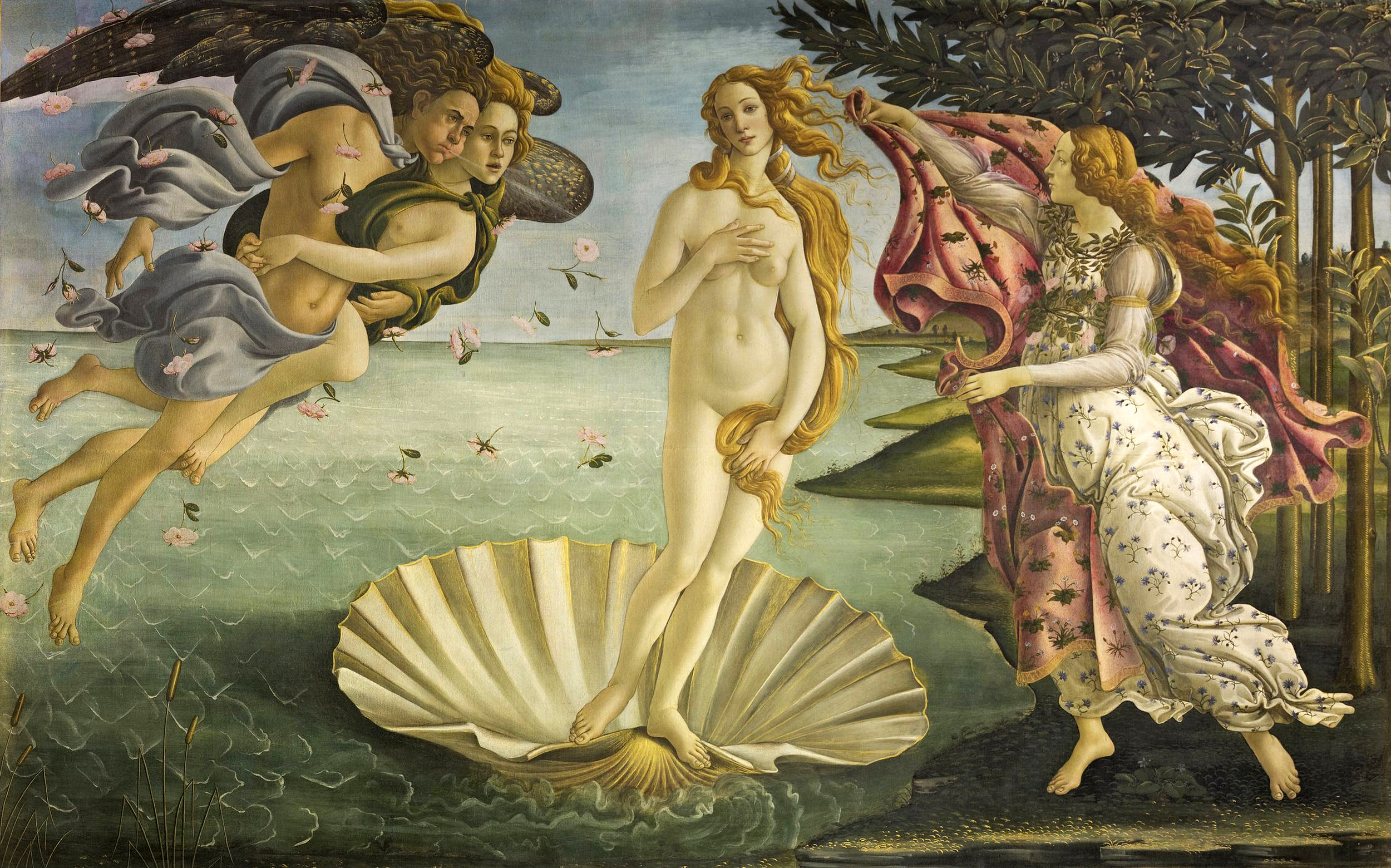
Renaissance
Explore the pivotal events and influential figures of the Renaissance era. Discover how this period shaped art, science, and culture.
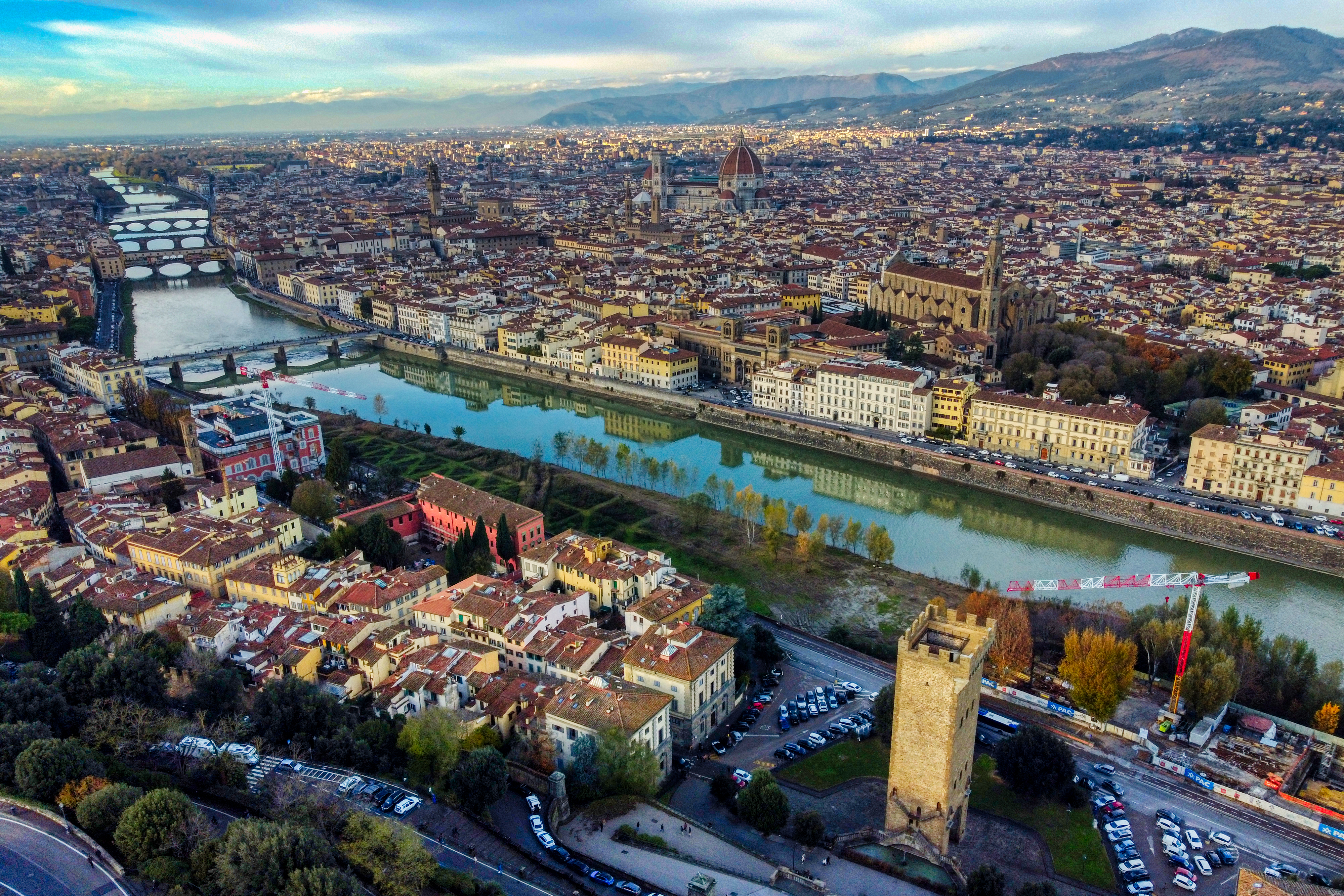
Florence
Explore the rich historical timeline of Florence, from its Roman origins and Renaissance glory to its influence on art, politics, and culture. Discover key events, influential figures, and significant milestones that have shaped this iconic Italian city over the centuries.

Milan
Discover the rich history of Milan, Italy with this comprehensive timeline. Explore key events, periods, and transitions that have shaped the city from its ancient origins to its modern-day significance as a global fashion and cultural hub.

Cesenatico
Explore the rich history of Cesenatico, a picturesque town on the Adriatic coast of Italy. Discover key events, cultural developments, and historical milestones that have shaped this charming maritime community from its founding in the early 14th century to the present day.

Firenze
Explore the timeline of Firenze, or Florence, encompassing its transformation from an ancient Roman settlement to a Renaissance cultural hub, and its evolution into a modern city. This comprehensive guide highlights the key historical events and milestones that have shaped Firenze over the centuries.

Sandro Botticelli
Explore the significant events and achievements in the life of Sandro Botticelli, a renowned painter of the Italian Renaissance. Discover key moments from his birth in 1445, his rise to fame in Florence, and his enduring legacy in art history through major works like 'The Birth of Venus' and 'Primavera'.

Arezzo
Explore the rich history of Arezzo, a captivating city in Tuscany, from its Etruscan origins and its significance during the Roman Empire, through the tumultuous medieval period, and into its cultural and economic development in modern times. Delve into key historical events, influential figures, and the city's enduring legacy in this comprehensive timeline.
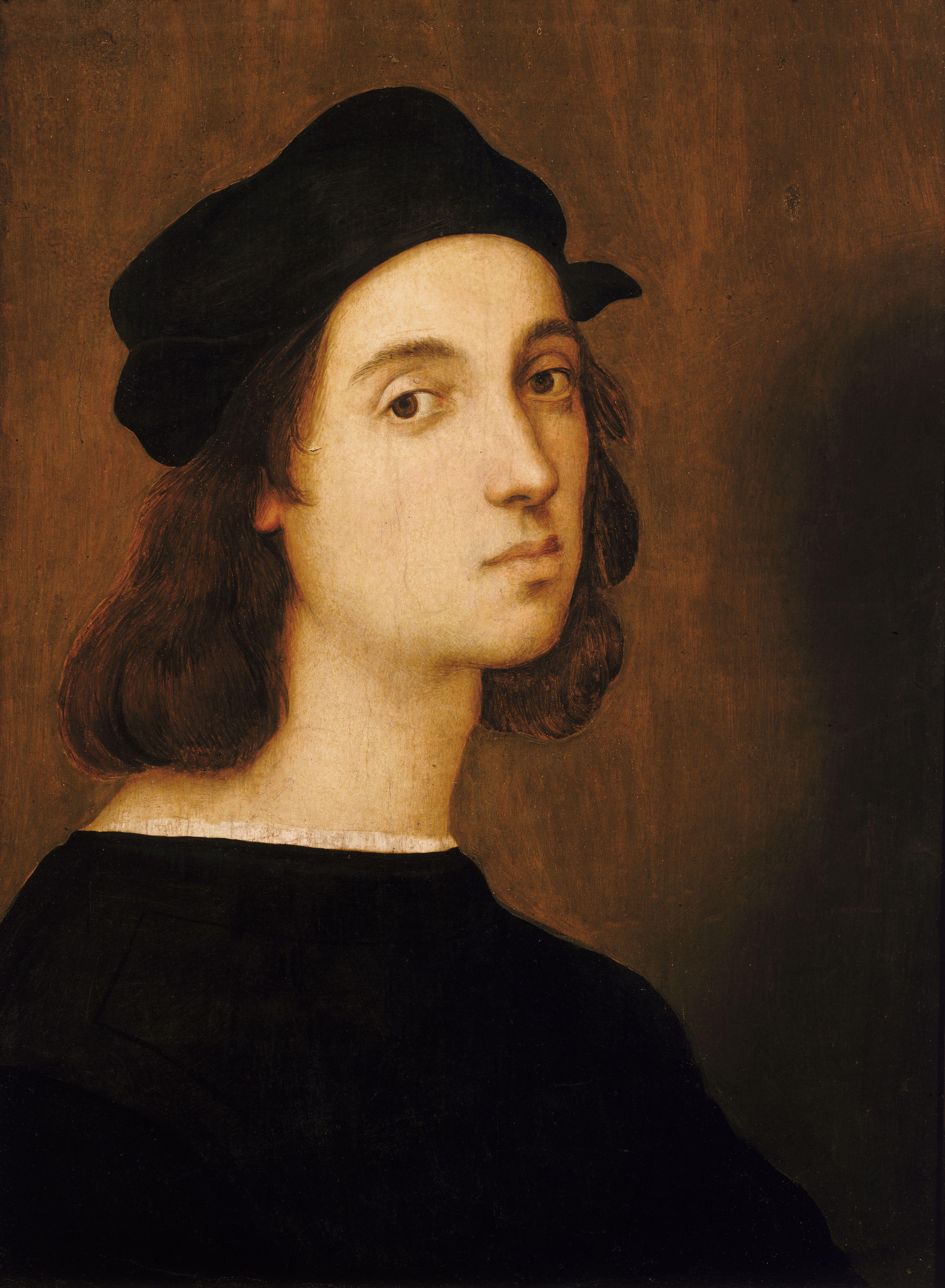
Raphael
Explore the life and works of Raphael, an Italian Renaissance painter and architect, through a detailed timeline. Delve into the key events and masterpieces that marked his journey from Urbino to becoming one of the great masters of the High Renaissance in Rome. Discover how his art influenced future generations and left a lasting legacy in the world of art and architecture.

France
Explore the rich and diverse history of France through a detailed timeline. Discover key events, cultural shifts, and significant milestones that have shaped France from ancient times to the modern era.
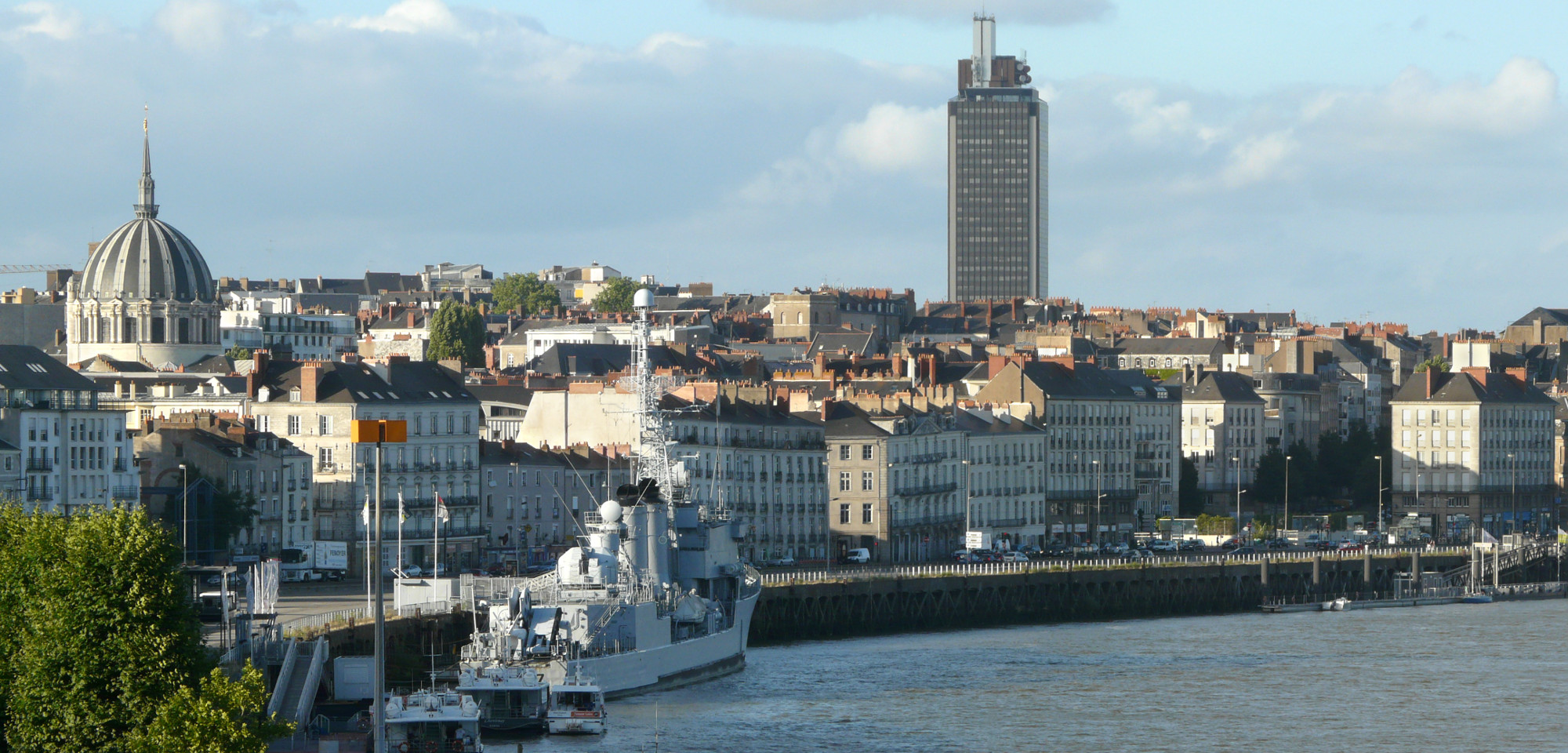
Nantes
Explore the rich history of Nantes through this detailed timeline. From its origins as a Gallic settlement to its development into a thriving city, discover key events that have shaped Nantes over the centuries, including significant milestones in trade, culture, and politics.