Renaissance
@renaissance1304 — 1603
Explore the pivotal events and influential figures of the Renaissance era. Discover how this period shaped art, science, and culture.
Frequently asked questions about Renaissance
Discover commonly asked questions regarding Renaissance. If there are any questions we may have overlooked, please let us know.
What is the legacy of the Renaissance?
Who were some key figures of the Renaissance?
Why is the Renaissance considered significant?
What was the Renaissance and when did it occur?
Related Timepaths
People, places and organizations that appear in Renaissance’s events

Renaissance Technologies
Explore the key milestones and innovations of Renaissance Technologies. Discover how this firm transformed quantitative investing. Click to learn more!
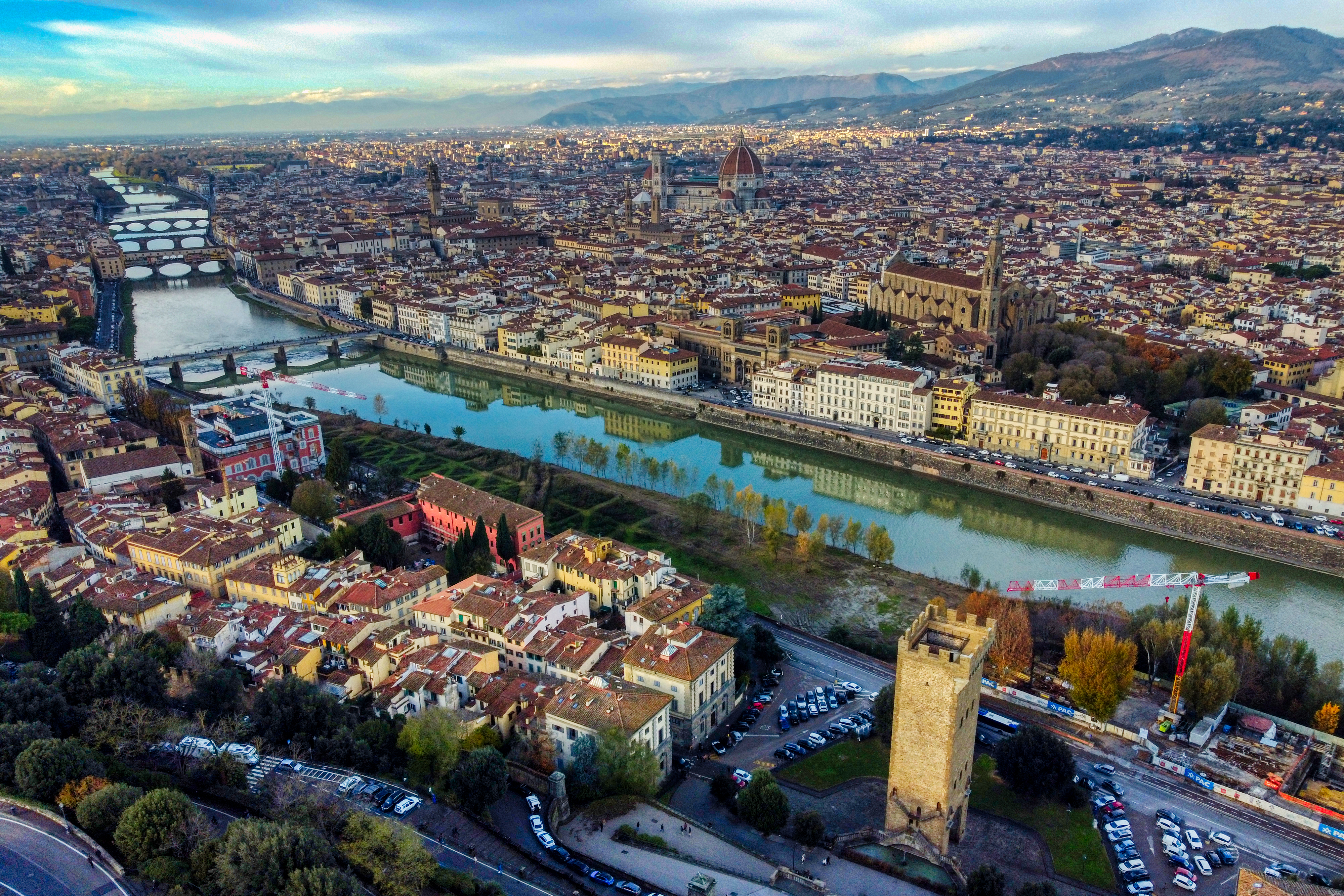
Florence
Explore the rich historical timeline of Florence, from its Roman origins and Renaissance glory to its influence on art, politics, and culture. Discover key events, influential figures, and significant milestones that have shaped this iconic Italian city over the centuries.
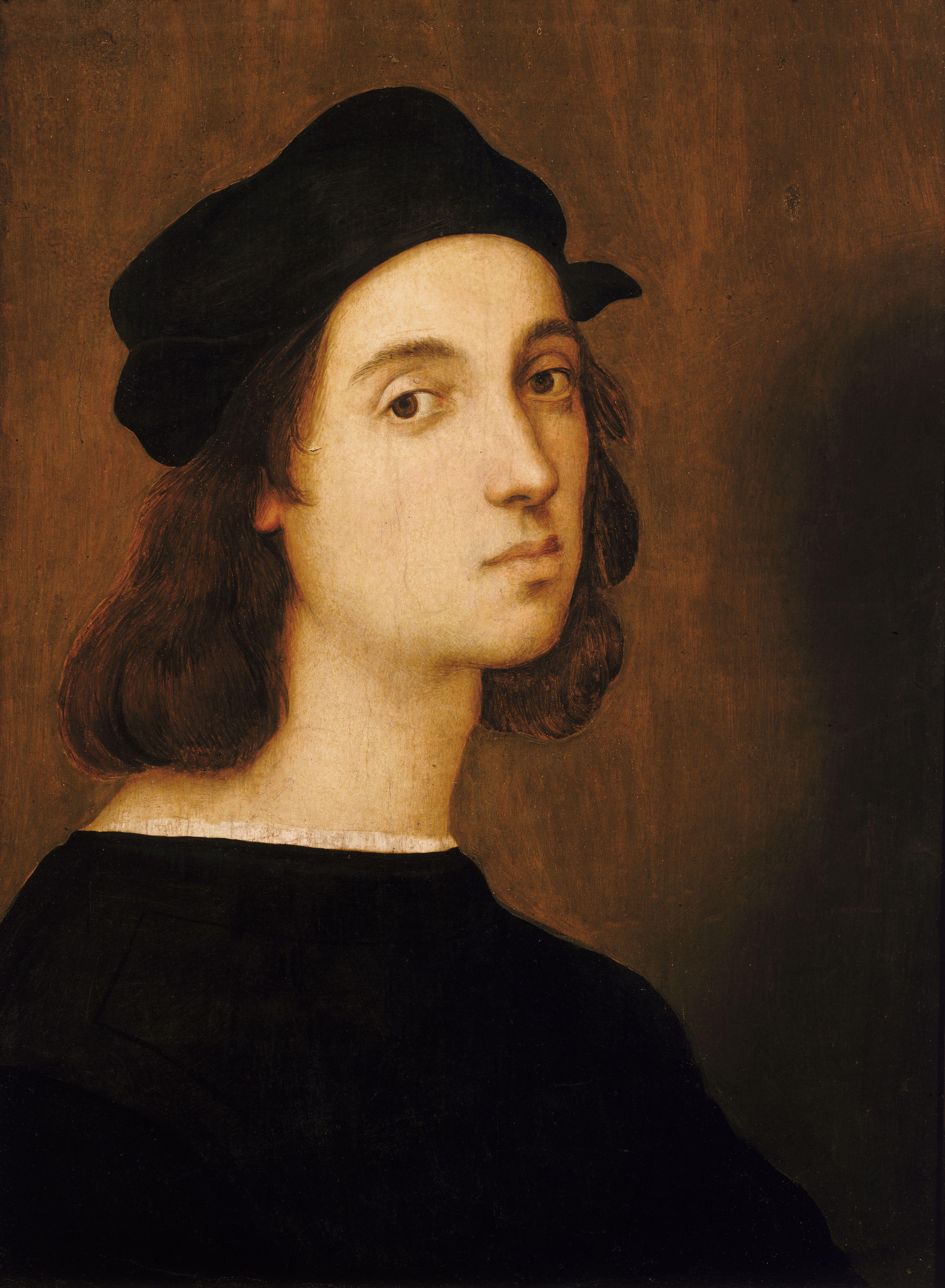
Raphael
Explore the life and works of Raphael, an Italian Renaissance painter and architect, through a detailed timeline. Delve into the key events and masterpieces that marked his journey from Urbino to becoming one of the great masters of the High Renaissance in Rome. Discover how his art influenced future generations and left a lasting legacy in the world of art and architecture.

Firenze
Explore the timeline of Firenze, or Florence, encompassing its transformation from an ancient Roman settlement to a Renaissance cultural hub, and its evolution into a modern city. This comprehensive guide highlights the key historical events and milestones that have shaped Firenze over the centuries.

Donatello
Explore the timeline of Donatello, the masterful Renaissance sculptor known for his revolutionary work in bronze and marble. This timeline highlights key events and achievements in Donatello's life, spanning from his early beginnings in Florence to his significant contributions to art, including famous works like 'David' and 'Gattamelata'. Learn about the life and legacy of a pivotal figure in art history.
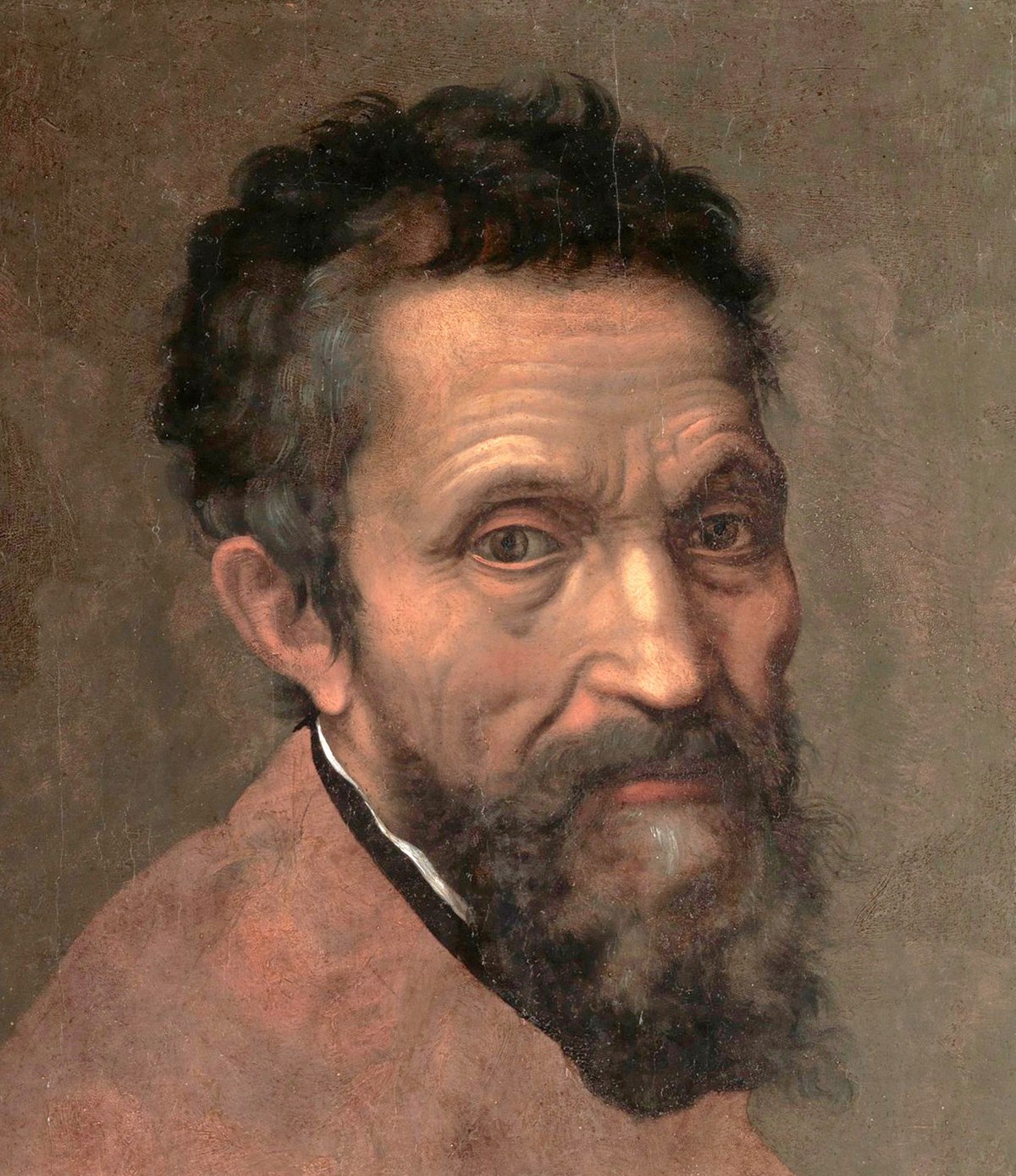
Michelangelo
Explore the significant milestones in the life of Michelangelo, one of the greatest artists of the Renaissance. This timeline covers his major works, achievements, and life events, offering a detailed look at how Michelangelo helped shape the world of art with his sculptures, paintings, and architectural designs.
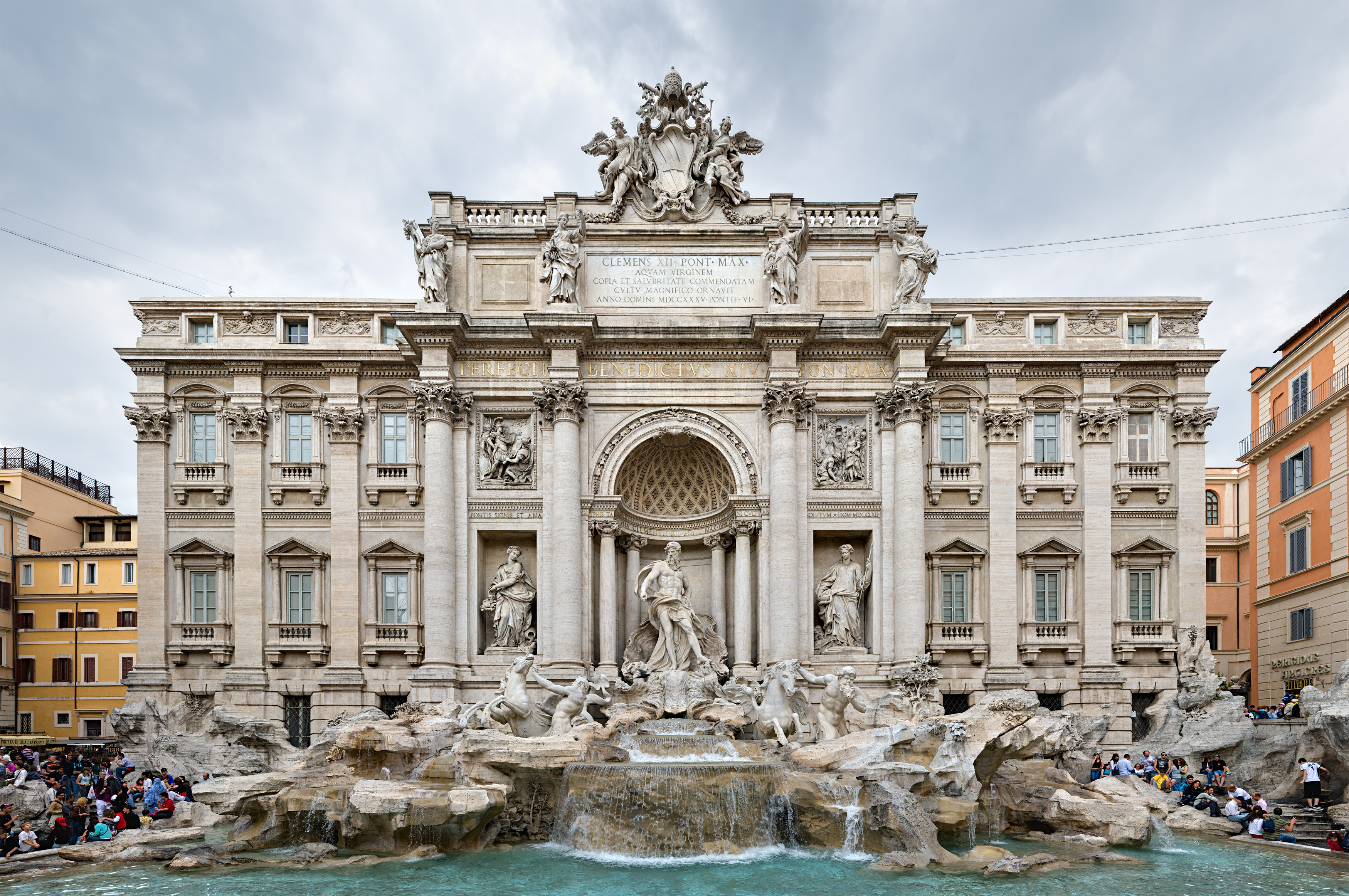
Rome
Explore the rich and fascinating timeline of Rome, from its legendary founding in 753 BC, through the era of the Roman Republic and the imperial power of the Roman Empire, to its transformation in late antiquity. Discover key events, influential figures, and enduring legacies that shaped the course of Western civilization.

Ferrara
Explore the rich history of Ferrara with this comprehensive timeline, detailing significant events that shaped the city from its origins to the present day. Discover the cultural, architectural, and political milestones that define this important Italian city.

Printing
Explore the fascinating timeline of printing, from ancient techniques to modern innovations. Discover key milestones and their impact!

Nicolaus Copernicus
Explore the key events and milestones in the life of Nicolaus Copernicus, the revolutionary astronomer who changed our view of the universe.