Great Migration (African American)
@greatmigration(africanamerican)1910 — 1965
Explore the Great Migration's key events and figures, showcasing the African American journey to freedom and opportunity. Discover the timeline now!
Frequently asked questions about Great Migration (African American)
Discover commonly asked questions regarding Great Migration (African American). If there are any questions we may have overlooked, please let us know.
What was the Great Migration?
What impact did the Great Migration have on American society?
What were the main reasons for the Great Migration?
How is the legacy of the Great Migration reflected today?
Related Timepaths
People, places and organizations that appear in Great Migration (African American)’s events
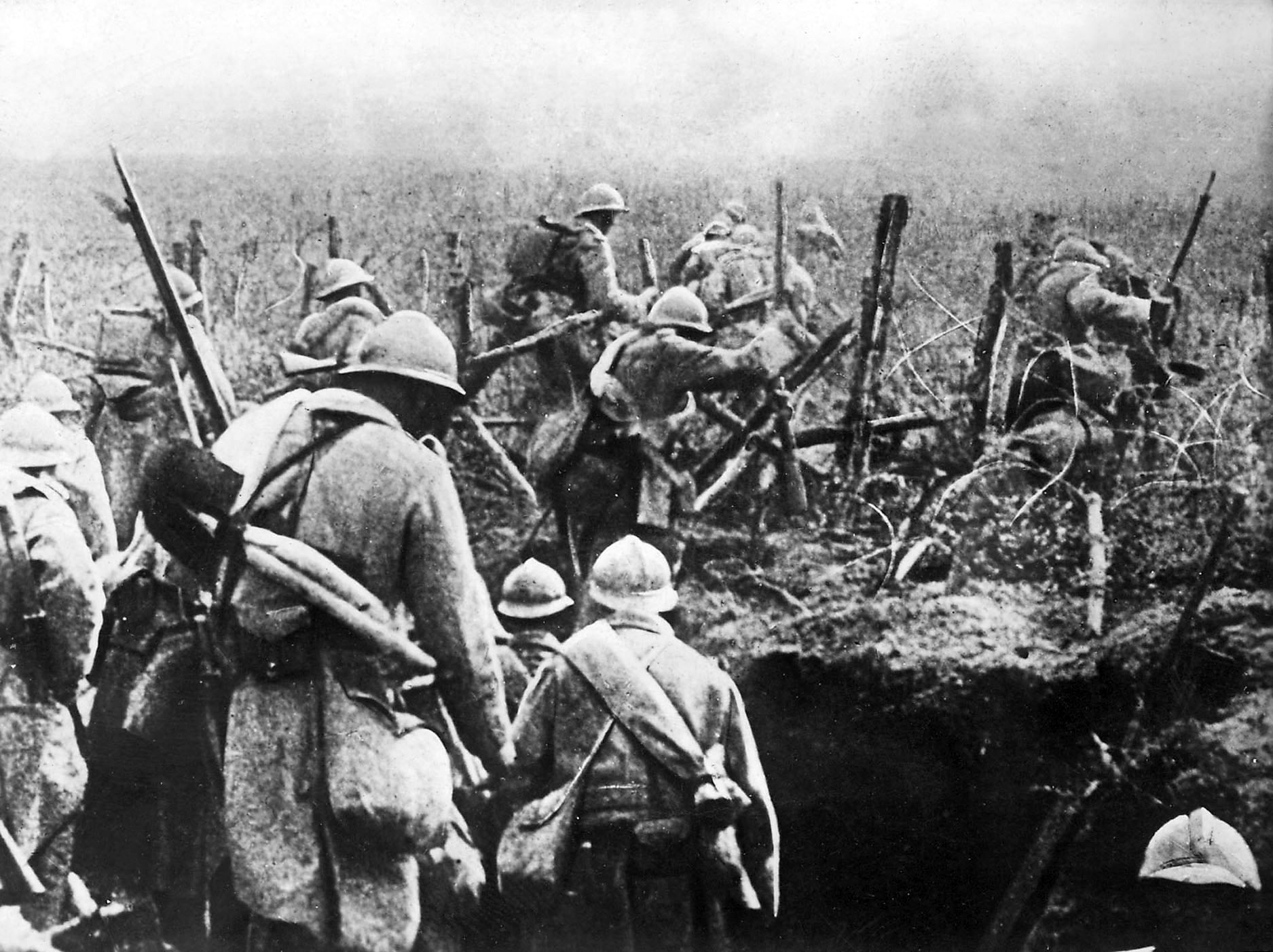
World War I
Explore the comprehensive timeline of World War I, detailing key events, battles, and turning points from 1914 to 1918. Understand the sequence of events that shaped the course of the Great War and its global impact.

Harlem Renaissance
Explore the key events and figures of the Harlem Renaissance. Discover how this cultural movement shaped art and literature in America.

Detroit
Explore the rich history of Detroit through a detailed timeline that highlights the key events and milestones that have shaped the Motor City. From its founding in 1701 to its rise as a major industrial center and cultural hub, discover how Detroit evolved over the centuries. This timeline provides insights into the city's economic, social, and cultural transformations, offering a comprehensive overview of its journey through time.

World War II
Explore the comprehensive timeline of World War II, detailing significant events, battles, and turning points from 1939 to 1945. This overview highlights the global conflict that reshaped world history, covering major military campaigns, allied and axis powers' strategies, and pivotal moments that led to the conclusion of the deadliest war in history.

United States
Explore the historical timeline of the United States, covering key events from its founding to the present day. Delve into significant milestones that have shaped the nation, including the American Revolution, Civil War, civil rights movements, and more. Understand the critical moments that have influenced the social, political, and cultural evolution of America.