OrganizationOther

International Labour Organization

@internationallabourorganization

Explore the key milestones and events in the history of the International Labour Organization. Discover its impact on global labor standards!

Founded April 11, 1919
12Defining moments
103Years
20Sources
Built from reporting byILO – history – early years, NobelPrize – ILO history +3
1920
1930
1940
1950
1960
1970
1980
1990
2000
2010
2020
1918
1922
1924
1926
1928
1932
1934
1936
1938
1942
1944
1946
1948
1952
1954
1956
1958
1962
1964
1966
1968
1972
1974
1976
1978
1982
1984
1986
1988
1992
1994
1996
1998
2002
2004
2006
2008
2012
2014
2016
2018
2022
2024
SAT · 01 OCT 2022

Gilbert F. Houngbo becomes Director‑General

On October 1, 2022, Gilbert F. Houngbo of Togo assumed office as the 11th Director‑General of the ILO, becoming the first African to lead the organization. His mandate emphasizes advancing social justice, reducing inequalities and discrimination in the world of work, and strengthening multilateral coordination.

ILO – history – early years
TUE · 01 JAN 2008

Declaration on Social Justice for a Fair Globalization

In 2008, the ILO adopted the Declaration on Social Justice for a Fair Globalization, reinforcing its commitment to social justice in the context of globalization. The declaration underscored the organization’s role in ensuring that economic integration benefits all workers, promoting decent work through fair globalization.

ILO – key documents
THU · 01 JAN 1998

Adoption of Declaration on Fundamental Principles and Rights at Work

In 1998, the ILO adopted the Declaration on Fundamental Principles and Rights at Work. This landmark declares that all member states, regardless of whether they have ratified relevant conventions, must uphold principles of freedom of association, collective bargaining, elimination of forced labour, abolition of child labour, and non-discrimination at work.

ILO – key documents
WED · 10 DEC 1969

Award of the Nobel Peace Prize

On December 10, 1969, the ILO was awarded the Nobel Peace Prize in recognition of its longstanding efforts to promote peace among classes by improving working conditions, advancing social justice, and providing technical assistance to developing nations. The award marked a significant global acknowledgment of the ILO’s impact.

ILO – going global, NobelPrize – ILO history
TUE · 01 JAN 1946

ILO becomes UN specialized agency

In 1946, following the dissolution of the League of Nations, the ILO became the first specialized agency of the newly formed United Nations. This transition cemented its role within the post-war multilateral system and broadened its capacity to shape global labour policy.

ILO history – going global, NobelPrize – ILO history
WED · 10 MAY 1944

Adoption of the Declaration of Philadelphia

On May 10, 1944, during World War II, delegates at the International Labour Conference adopted the Declaration of Philadelphia, annexed to the ILO Constitution. This landmark document reaffirmed the core principles that “labour is not a commodity” and that freedom of association and economic security are essential, shaping the ILO’s post-war mission.

ILO history – early years, Wikipedia – ILO Declaration of Philadelphia
WED · 01 MAY 1940

Temporary relocation to Montreal during WWII

With the outbreak of World War II and threats to Switzerland’s neutrality, the ILO’s operational center was temporarily moved to Montreal, Canada, in May 1940. This relocation allowed the organization to continue its work uninterrupted during the war years, demonstrating resilience in the face of global conflict.

ILO history – early years
MON · 01 JAN 1934

United States joins the ILO

In 1934, the United States formally became a member of the ILO. Although it had helped in the founding, U.S. decision-makers had delayed joining; its accession marked a significant expansion in the organization’s membership and influence amid global economic turmoil during the Great Depression.

ILO – early years and U.S. membership
FRI · 01 JAN 1926

Establishment of Committee of Experts

In 1926, the ILO established the Committee of Experts on the Application of Conventions and Recommendations—a body of independent jurists responsible for supervising how member states implement ILO standards. This supervisory mechanism became central to ensuring accountability and advancing the effectiveness of international labour law.

ILO history – early years, ILO – 100 years of supervision
TUE · 01 JUN 1920

ILO moves headquarters to Geneva

In the summer of 1920, the ILO relocated its headquarters to Geneva, Switzerland, aligning itself with the League of Nations’ seat. This move established Geneva as the permanent base for the ILO’s International Labour Office, where it began issuing conventions and recommendations across key labour issues.

ILO history – early years
SAT · 01 NOV 1919

First International Labour Conference convened

In November 1919, the first session of the International Labour Conference was held, convening representatives of governments, employers, and workers for the first time to discuss international labour standards. It resulted in the adoption of six landmark conventions dealing with hours of work in industry, unemployment, maternity protection, night work for women, minimum age, and night work for young persons—laying the foundation for global labour norms.

ILO 100th anniversary – key dates
FRI · 11 APR 1919

Establishment of the International Labour Organization (ILO)

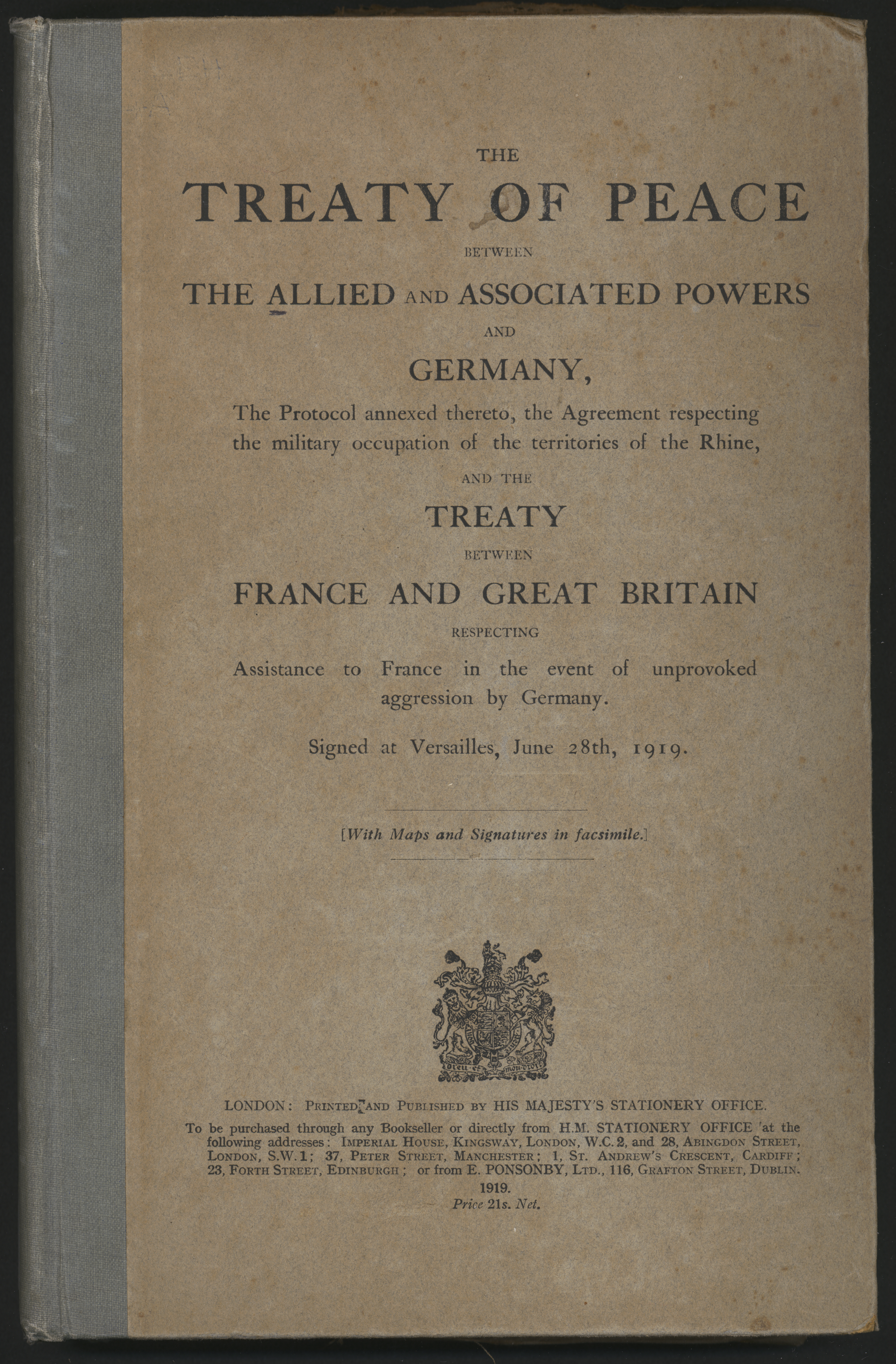
The International Labour Organization (ILO) was established on April 11, 1919, as part of the Treaty of Versailles that concluded World War I. It was created to promote social justice as an essential basis for universal and lasting peace. The ILO's Constitution was incorporated into Part XIII of the Treaty, and the organization was given a tripartite structure bringing together governments, employers, and workers. The founding occurred in Paris during the negotiations that shaped the post-war international order.

Wikipedia – International Labour Organization, ILO – between the two world wars

That's every defining moment so far. New events are added only when the reporting warrants it.

Frequently asked questions about International Labour Organization

Discover commonly asked questions regarding International Labour Organization. If there are any questions we may have overlooked, please let us know.

Why is the ILO significant?

What is the International Labour Organization (ILO)?

What impact has the ILO had on global labor standards?

What are some key facts about the ILO?