Organization · Other

Foxconn

@foxconn

Explore the pivotal moments in Foxconn's history. Discover key events and milestones that shaped this tech giant. Click to learn more!

Founded January 1, 1974
16Events
51Years
1965
1970
1975
1980
1985
1990
1995
2000
2005
2010
2015
2020
2025
2030
1971
1972
1973
1974
1976
1977
1978
1979
1981
1982
1983
1984
1986
1987
1988
1989
1991
1992
1993
1994
1996
1997
1998
1999
2001
2002
2003
2004
2006
2007
2008
2009
2011
2012
2013
2014
2016
2017
2018
2019
2021
2022
2023
2024
2026
2027
2028
2029
14maart
2025
14 maart 2025

Foxconn outlines AI-centered five-year transformation plan

In March 2025, Foxconn announced financial results alongside a new five-year plan centered on artificial intelligence as its core growth driver. The company described a strategic transition from traditional operational excellence toward intelligence-driven growth and platform value creation. This was a major recent milestone because it formalized Foxconn’s shift toward AI servers, computing infrastructure, and higher-value technology services at a time when demand for AI hardware was reshaping the global electronics industry. The plan suggested that Foxconn no longer saw its future primarily in consumer-device assembly alone, but in becoming a key industrial backbone for the AI era through manufacturing scale, systems integration, and infrastructure partnerships.

25juni
2024
25 juni 2024

Reuters investigation spotlights hiring practices in India

On June 25, 2024, a Reuters investigation reported that married women had been excluded from many jobs at Foxconn’s main iPhone assembly plant in India, bringing renewed scrutiny to the company’s labor practices. The report mattered because it showed that labor and discrimination issues remained central to Foxconn’s global reputation even as the company diversified production away from China. It also connected Foxconn to larger debates about gender, factory recruitment, and compliance within rapidly expanding supply chains in India. The episode underscored a recurring theme in Foxconn’s history: the company’s enormous strategic importance to global technology has often been accompanied by close examination of the social conditions under which its growth occurs.

13september
2022
13 september 2022

Foxconn enters India semiconductor push with Vedanta venture

In September 2022, Foxconn and Vedanta announced a large semiconductor and display manufacturing project in Gujarat, part of India’s effort to build domestic chipmaking capacity. For Foxconn, the venture reflected a broader attempt to diversify geographically beyond China and participate in state-backed industrial policy in one of the world’s fastest-growing electronics markets. Although the partnership later unraveled, the announcement was still a milestone because it showed how Foxconn was trying to reposition itself in semiconductors, displays, and strategic manufacturing infrastructure rather than depending only on assembly. The episode also revealed the financial and technical complexity of entering chip fabrication compared with contract electronics production.

10november
2021
10 november 2021

Foxconn agrees to acquire Lordstown’s Ohio factory

On November 10, 2021, Foxconn announced a deal to buy the former General Motors assembly plant in Lordstown, Ohio, from Lordstown Motors. The agreement was a notable milestone in Foxconn’s U.S. manufacturing strategy and its EV expansion, because it gave the company a sizable American vehicle production site and a foothold in legacy auto-manufacturing territory. The Ohio plant represented an effort to translate Foxconn’s contract-manufacturing playbook into electric vehicles inside the United States. It also showed the firm pursuing industrial assets that could support both production and partnerships, even as the economics of EV startups and manufacturing transitions remained uncertain.

18oktober
2021
18 oktober 2021

Foxconn presents its first high-profile EV prototypes

On October 18, 2021, Foxconn unveiled a set of electric vehicle prototypes, including passenger models and a bus, showing that its automotive ambitions had moved from platform rhetoric to visible products. The prototypes were developed under the group’s EV push and demonstrated how Foxconn intended to combine hardware standardization, software integration, and contract-manufacturing logic in the auto industry. This event mattered because it was a public statement that Foxconn wanted a place in the future of mobility, not merely as a parts supplier but as a design and manufacturing partner. It broadened how investors, governments, and competitors understood the company’s ambitions beyond smartphones and computers.

16oktober
2020
16 oktober 2020

Foxconn unveils its open EV platform strategy

In October 2020, Foxconn publicly advanced its open electric-vehicle platform strategy, a major move into the automotive sector. Rather than only assembling electronics for other brands, the company sought to apply its manufacturing, modular design, and supply-chain expertise to electric vehicles through an open platform model. This was a significant strategic turning point because it aimed to replicate in cars what Foxconn had long done in consumer electronics: provide scalable, flexible manufacturing infrastructure for multiple clients. The initiative signaled that Foxconn saw EVs as a long-term growth engine and wanted to become an enabling platform company in transportation as well as technology hardware.

21juni
2019
21 juni 2019

Young Liu succeeds Terry Gou as chairman

In June 2019, founder Terry Gou stepped back from day-to-day leadership and Young Liu became chairman, marking a historic transition for Foxconn. For decades the company had been closely identified with Gou’s personality, dealmaking style, and relentless expansion strategy. The leadership change therefore represented more than a management reshuffle: it was a test of whether Foxconn could institutionalize itself beyond its founder. Under Liu, the company increasingly emphasized electric vehicles, semiconductors, digital manufacturing, and AI infrastructure while trying to preserve its core strength in electronics assembly. This succession milestone signaled the beginning of Foxconn’s post-founder era and a broader effort to reinvent itself for new industrial cycles.

26juli
2017
26 juli 2017

Foxconn announces major Wisconsin manufacturing project

On July 26, 2017, Foxconn joined U.S. political leaders to announce plans for a large display-panel manufacturing project in Wisconsin. The deal drew extraordinary attention because it was presented as a flagship return of advanced manufacturing to the United States, with promises of major investment, jobs, and a new electronics ecosystem. Over time, the project became controversial as plans shifted and the scale of the original vision was questioned, but the announcement itself marked a major milestone in Foxconn’s history of geographic diversification. It illustrated the company’s willingness to make politically significant bets outside Asia and showed how its global expansion had become entangled with industrial policy and national politics.

30maart
2016
30 maart 2016

Foxconn completes takeover of Sharp

On March 30, 2016, Foxconn agreed to acquire a controlling stake in Japan’s Sharp for about $3.5 billion, completing one of the most significant foreign takeovers of a Japanese electronics company. The deal was strategically important because it gave Foxconn access to display technology, branding, and advanced manufacturing capabilities that could help it move beyond pure contract assembly. It also symbolized a shift in Asian electronics power, with a Taiwanese manufacturing giant rescuing a once-iconic Japanese firm. The acquisition broadened Foxconn’s ambitions in components and consumer-facing technology and remains one of the clearest examples of its effort to extend influence across the electronics value chain.

26mei
2010
26 mei 2010

Shenzhen labor crisis draws global scrutiny

By late May 2010, a string of worker suicides and suicide attempts at Foxconn’s vast Shenzhen operations had become an international labor controversy. The crisis focused attention on conditions inside high-pressure electronics supply chains and prompted widespread reporting, criticism from labor advocates, and public scrutiny of major consumer brands whose products were assembled there. Foxconn responded with measures including wage adjustments and changes at its campuses, but the episode left a lasting mark on its public image. Historically, this was one of the most consequential moments in the company’s story because it forced a broader debate about labor rights, migrant work, and the human costs of ultra-large-scale manufacturing.

03februari
2005
03 februari 2005

FIH Mobile is listed in Hong Kong

In 2005, Foxconn’s handset-focused subsidiary FIH Mobile was listed on the Hong Kong Stock Exchange, reflecting the company’s deepening role in mobile electronics manufacturing. The listing highlighted the growing importance of the phone business in Foxconn’s portfolio during an era when handset production was becoming a central part of global electronics demand. By organizing and financing mobile operations through a dedicated subsidiary, Foxconn strengthened its ability to serve international device makers and manage a rapidly changing segment of consumer electronics. The move also showed how the broader Foxconn group was becoming more complex, diversified, and internationally integrated.

01januari
2001
01 januari 2001

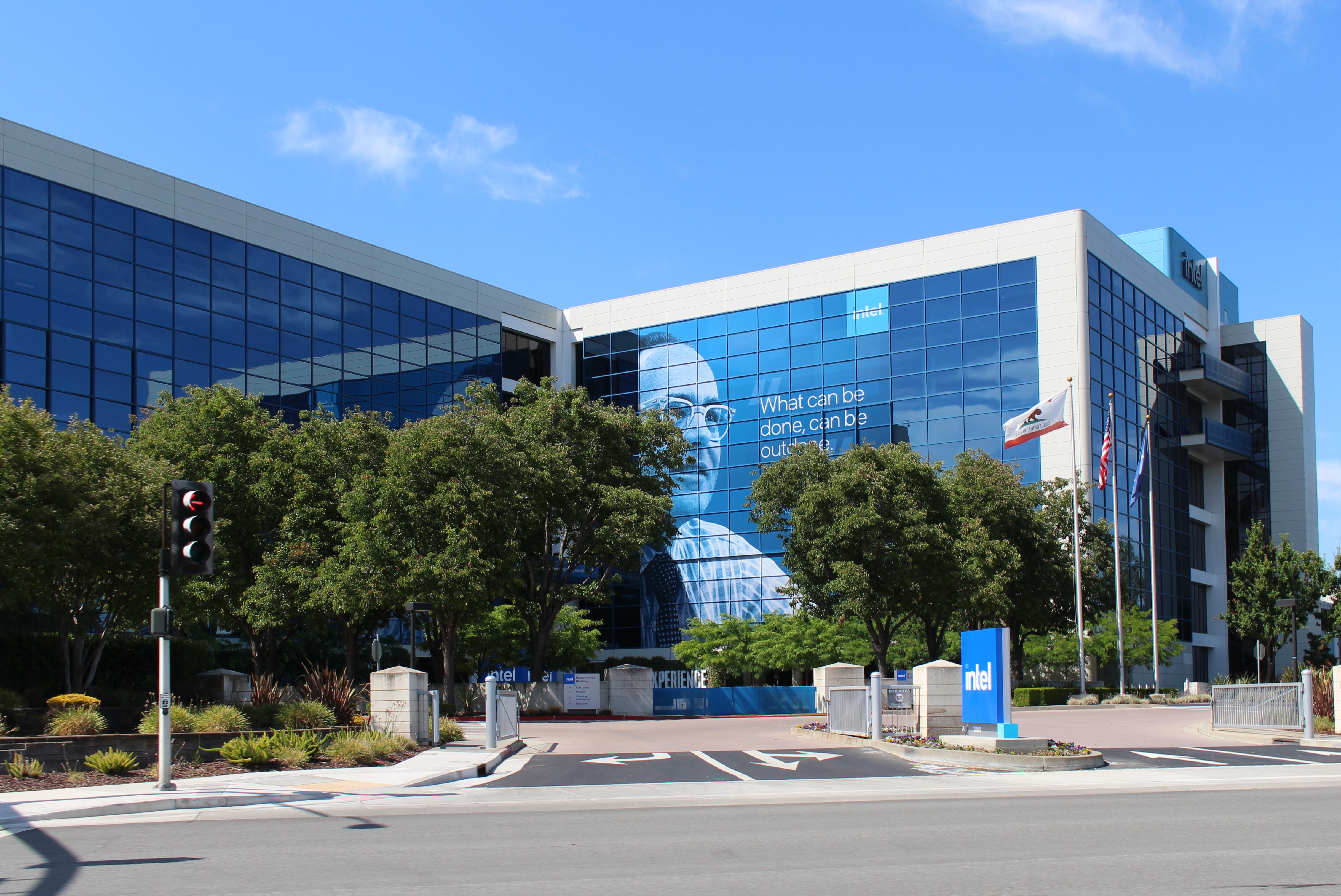
Foxconn wins a key motherboard manufacturing role from Intel

In 2001, Intel selected Foxconn to manufacture Intel-branded motherboards, an important validation of Foxconn’s manufacturing quality and technical reliability. The decision showed that Foxconn was no longer merely a low-cost assembler; it had become a trusted strategic supplier for major technology companies with demanding standards. This milestone strengthened Foxconn’s reputation in computing hardware and contributed to its move up the value chain, opening doors to more complex products and deeper relationships with global customers. It was one of the moments that demonstrated how the company could pair huge scale with the precision and consistency needed by elite electronics brands.

18juni
1991
18 juni 1991

Hon Hai lists on the Taiwan Stock Exchange

On June 18, 1991, Hon Hai was listed on the Taiwan Stock Exchange, giving the company broader access to capital as it accelerated expansion. The public listing was important not just as a financial milestone, but as a signal that the firm had grown beyond its origins as a small component producer. Public-market funding and visibility supported investment in factories, engineering capacity, and acquisitions, while also increasing the company’s standing with international customers. The listing laid institutional foundations for Foxconn’s later rise into one of Taiwan’s largest companies and one of the most important manufacturing firms in the global technology sector.

01januari
1988
01 januari 1988

First major mainland China factory opens in Shenzhen

In 1988, Foxconn opened its first major manufacturing plant in mainland China in Shenzhen, a move that proved decisive for the company’s future. The Shenzhen operation became the nucleus of its vast China-based production system and eventually grew into one of the best-known electronics manufacturing complexes in the world. By scaling in southern China during the country’s era of export-led industrialization, Foxconn gained access to labor, infrastructure, and supplier networks that allowed it to manufacture at unmatched volume and speed. This expansion helped define the modern electronics supply chain, in which global brands relied on large Asian assemblers to turn product designs into mass-market goods.

01januari
1985
01 januari 1985

Foxconn establishes a U.S. presence

In 1985, Hon Hai expanded overseas by establishing a U.S. subsidiary under the Foxconn name. This step was a major milestone because it brought the company closer to American technology customers and helped it develop an international identity beyond Taiwan. The move supported Foxconn’s strategy of pairing customer-facing operations in major markets with lower-cost, high-volume manufacturing bases elsewhere. It also marked the beginning of the company’s transformation into a global contract manufacturer able to serve multinational electronics brands with design support, logistics, and production services across borders.

20februari
1974
20 februari 1974

Hon Hai Precision Industry is founded in Taipei

Hon Hai Precision Industry Co., Ltd., the company that later became known globally as Foxconn, was formally founded in Taiwan on February 20, 1974. Established by Terry Gou as a small maker of plastic parts for television sets and connectors, the company began with limited capital and a modest workshop operation. This founding matters because it set the basis for a business model built on disciplined manufacturing, scale, and vertical integration. Over the following decades, Hon Hai evolved from a local components supplier into the world’s dominant contract electronics manufacturer, shaping global supply chains for computers, phones, and consumer electronics.

Frequently asked questions about Foxconn

Discover commonly asked questions regarding Foxconn. If there are any questions we may have overlooked, please let us know.

What impact has Foxconn had on labor practices?

What is Foxconn and what does it do?

Why is Foxconn significant in the tech industry?

What are some key facts about Foxconn?