Person · Other

Emiliano Zapata

Explore the life and legacy of Emiliano Zapata through a detailed timeline, highlighting key events and milestones in his revolutionary journey.

Born:August 08, 1879
Known as:Revolutionary Leader
1875
1880
1885
1890
1895
1900
1905
1910
1915
1920
1876
1877
1878
1879
1881
1882
1883
1884
1886
1887
1888
1889
1891
1892
1893
1894
1896
1897
1898
1899
1901
1902
1903
1904
1906
1907
1908
1909
1911
1912
1913
1914
1916
1917
1918
1919
1921
1922
1923
10april
1919
10 april 1919

Assassination of Emiliano Zapata

Emiliano Zapata was assassinated on April 10, 1919, in Chinameca, Morelos, Mexico. He was lured into a trap by government forces under the pretense of negotiations. Zapata's death marked the end of a significant chapter in the Mexican Revolution, but his legacy as a champion of agrarian rights and social justice continued to inspire future generations.

01januari
1915
01 januari 1915

Zapata's Agrarian Reforms

In 1915, Emiliano Zapata implemented significant agrarian reforms in the territories under his control. These reforms included the redistribution of land to peasants and the establishment of communal land holdings. Zapata's actions were aimed at addressing the inequalities faced by rural communities and became a model for future land reforms in Mexico.

Sources:
04december
1914
04 december 1914

Zapata Enters Mexico City

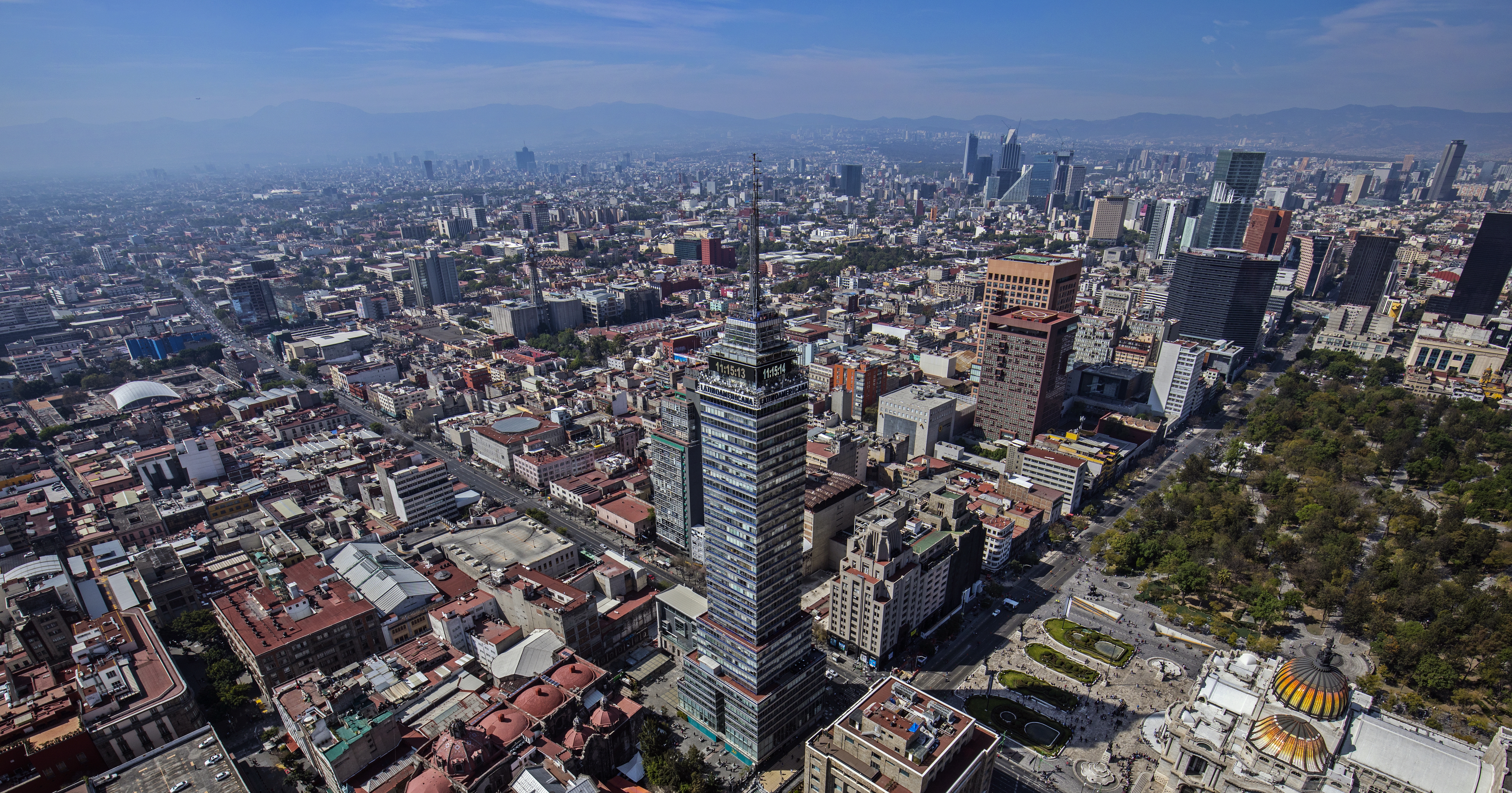
On December 4, 1914, Emiliano Zapata entered Mexico City alongside Pancho Villa. This event marked a significant moment in the Mexican Revolution as it demonstrated the power and influence of the revolutionary forces. Zapata's presence in the capital symbolized the demand for agrarian reform and the overthrow of the existing regime.

Sources:
01maart
1911
01 maart 1911

Zapata's Plan of Ayala

In March 1911, Emiliano Zapata proclaimed the Plan of Ayala, a document that called for substantial land reforms and the redistribution of land to peasants. The plan outlined Zapata's vision for social justice and became a foundational text for the agrarian movement in Mexico. It solidified his role as a revolutionary leader.

Sources:
20november
1910
20 november 1910

Mexican Revolution Begins

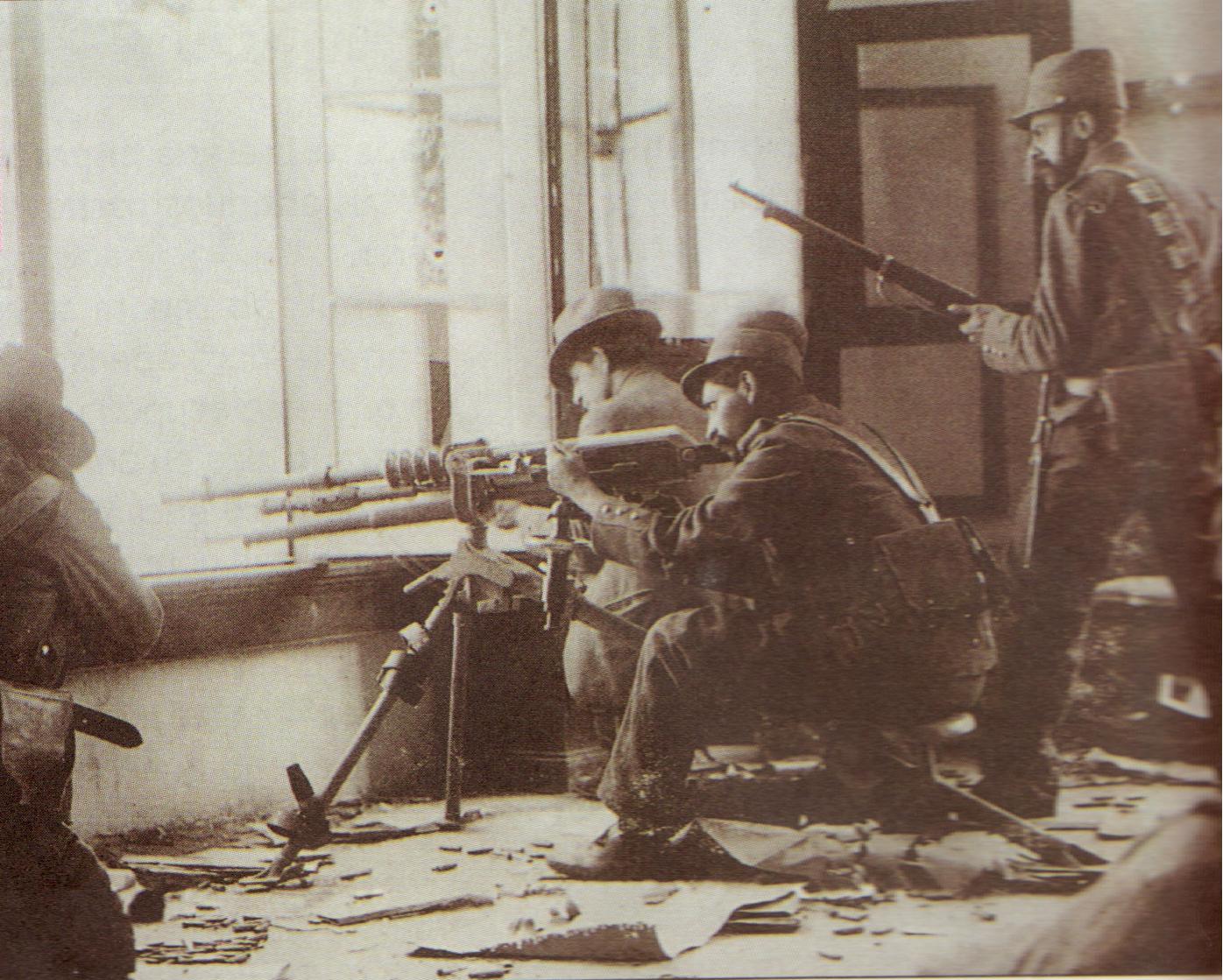
The Mexican Revolution began on November 20, 1910, as a response to the long-standing dictatorship of Porfirio Díaz. Emiliano Zapata emerged as a key figure in the revolution, advocating for agrarian reform and the rights of peasants. His leadership in the southern states became crucial in the fight against the federal government.

01januari
1909
01 januari 1909

Zapata Elected as Village Leader

In 1909, Emiliano Zapata was elected as the leader of his village, Anenecuilco. This position marked the beginning of his active involvement in local politics and his advocacy for land rights. As a village leader, Zapata fought against the encroachment of haciendas on communal lands, setting the stage for his revolutionary activities.

Sources:
08augustus
1879
08 augustus 1879

Birth of Emiliano Zapata

Emiliano Zapata was born on August 8, 1879, in the village of Anenecuilco, Morelos, Mexico. He was born into a peasant family, which deeply influenced his later life and revolutionary activities. Zapata's early experiences with the struggles of rural communities shaped his commitment to land reform and social justice.

Sources:

Frequently asked questions about Emiliano Zapata

Discover commonly asked questions regarding Emiliano Zapata. If there are any questions we may have overlooked, please let us know.

Who was Emiliano Zapata?

What is Emiliano Zapata's legacy?

What are some key facts about Emiliano Zapata?

What was Emiliano Zapata's role in the Mexican Revolution?

Related Timepaths

More Timepaths connected to Emiliano Zapata