Explore the key events of the Western African Ebola epidemic. Discover the timeline of outbreaks, responses, and impacts. Click to learn more!
On 14 January 2016, WHO announced that the most recent Ebola outbreak in Liberia had ended and that all known chains of transmission in West Africa had been stopped. This was widely treated as the formal close of the main epidemic phase in Guinea, Liberia, and Sierra Leone after more than two years of crisis and over 28,000 reported cases. Yet the declaration was deliberately cautious: health authorities emphasized that the region still faced a risk of flare-ups because Ebola virus could persist in some survivors for months. The moment therefore represented both an historic success in containment and a transition toward long-term surveillance, survivor care, and health-system rebuilding across the affected countries.
On 29 December 2015, WHO declared Guinea free of Ebola transmission, an especially resonant moment because the epidemic had begun there two years earlier in the forest region. Guinea’s response had been hampered by rugged terrain, mistrust of authorities, attacks on health workers, and repeated chains of transmission linked to mobility and funerals. Declaring the country Ebola-free marked the apparent interruption of active transmission, but it also invited reflection on the costs of the delayed early response and the weaknesses in public health infrastructure that had allowed the outbreak to spread so widely. The announcement narrowed the remaining focus of concern to Liberia’s final flare-up and to the wider challenge of preventing reintroduction.
On 7 November 2015, WHO declared that Ebola virus transmission had been stopped in Sierra Leone after the country completed 42 days with no new cases. The milestone was especially significant because Sierra Leone had endured the highest case burden of the epidemic and had seen major outbreaks in Kailahun, Kenema, and later the Western Area around Freetown. The path to this point required expanded treatment centers, improved laboratory turnaround, safer burial practices, and large-scale community engagement. Even so, the declaration came with a warning that heightened surveillance must continue, since previous experience in the region had shown that countries judged Ebola-free could still face re-emergence from undetected transmission or survivor-associated flare-ups.
On 9 May 2015, the World Health Organization declared Liberia free of Ebola transmission after 42 days without a new confirmed case following the burial of the last known patient. The announcement was a major milestone because Liberia had suffered some of the epidemic’s most intense urban transmission, especially in and around Monrovia, and had at one point seemed on the verge of total health-system collapse. The declaration reflected improvements in case detection, treatment capacity, safe burials, and community cooperation. At the same time, health officials stressed that the achievement was fragile, since ongoing transmission in neighboring countries and the possibility of viral persistence in survivors meant that renewed flare-ups remained possible.
Beginning on 19 September 2014, Sierra Leone carried out a three-day nationwide lockdown in which residents were ordered to stay home while volunteers and health workers went door to door. The operation aimed to identify hidden cases, educate households, and collect information about deaths that had not been properly reported. Authorities described it as an extraordinary intervention for an extraordinary crisis, while critics questioned its effectiveness and humanitarian consequences. Whatever its limits, the lockdown showed how far governments were willing to go as the epidemic outpaced ordinary surveillance. It also highlighted the enormous challenge of locating transmission chains in a country where fear, stigma, and weak infrastructure impeded routine reporting.
On 18 September 2014, the United Nations escalated the international response by establishing the UN Mission for Ebola Emergency Response, known as UNMEER. It was the first UN emergency mission ever created specifically to address a public health crisis, reflecting widespread concern that Ebola threatened not only lives but also regional stability and economic survival. UNMEER aimed to coordinate logistics, treatment capacity, transport, burial teams, and support for overwhelmed national governments. Its creation signaled recognition that ordinary humanitarian mechanisms were not enough for an epidemic of this scale and that a more centralized, high-level international structure was needed to help bend the curve of transmission.
On 18 September 2014, eight members of an Ebola education and outreach team were killed in and around the village of Womey in southeastern Guinea. The victims included healthcare workers, journalists, and local officials who had entered the area to explain prevention measures. Their deaths revealed how rumor, fear, and political distrust had become major obstacles to epidemic control. In some communities, Ebola responders were suspected of spreading disease rather than stopping it, and safe-burial or disinfection teams were met with hostility. The massacre underscored that the epidemic was not only a biomedical emergency but also a crisis of trust, communication, and state legitimacy in neglected rural regions.
In mid-August 2014, as cases surged in Monrovia, Liberian authorities imposed emergency restrictions and soon quarantined the densely populated West Point neighborhood. The move reflected both the desperation of the response and the difficulty of controlling Ebola in crowded urban settings where many residents lacked running water, sanitation, and access to formal healthcare. The quarantine quickly became controversial, provoking unrest and highlighting tensions between disease control and civil liberties. Even where intended to slow transmission, such measures sometimes deepened mistrust and fear, which could drive symptomatic people into hiding and make contact tracing harder. West Point became a symbol of the epidemic’s social and political strain.
On 8 August 2014, the World Health Organization declared the West African Ebola outbreak a Public Health Emergency of International Concern. The declaration acknowledged that the epidemic had become an extraordinary event requiring a coordinated international response under the International Health Regulations. By then, the outbreak had reached capital cities and was overwhelming fragile health systems in Guinea, Liberia, and Sierra Leone. The PHEIC raised political pressure on governments, donors, and aid agencies to mobilize personnel, funds, laboratories, treatment units, and logistics. It also marked the moment when Ebola shifted from a regional health crisis to a globally recognized emergency with security, economic, and humanitarian implications.
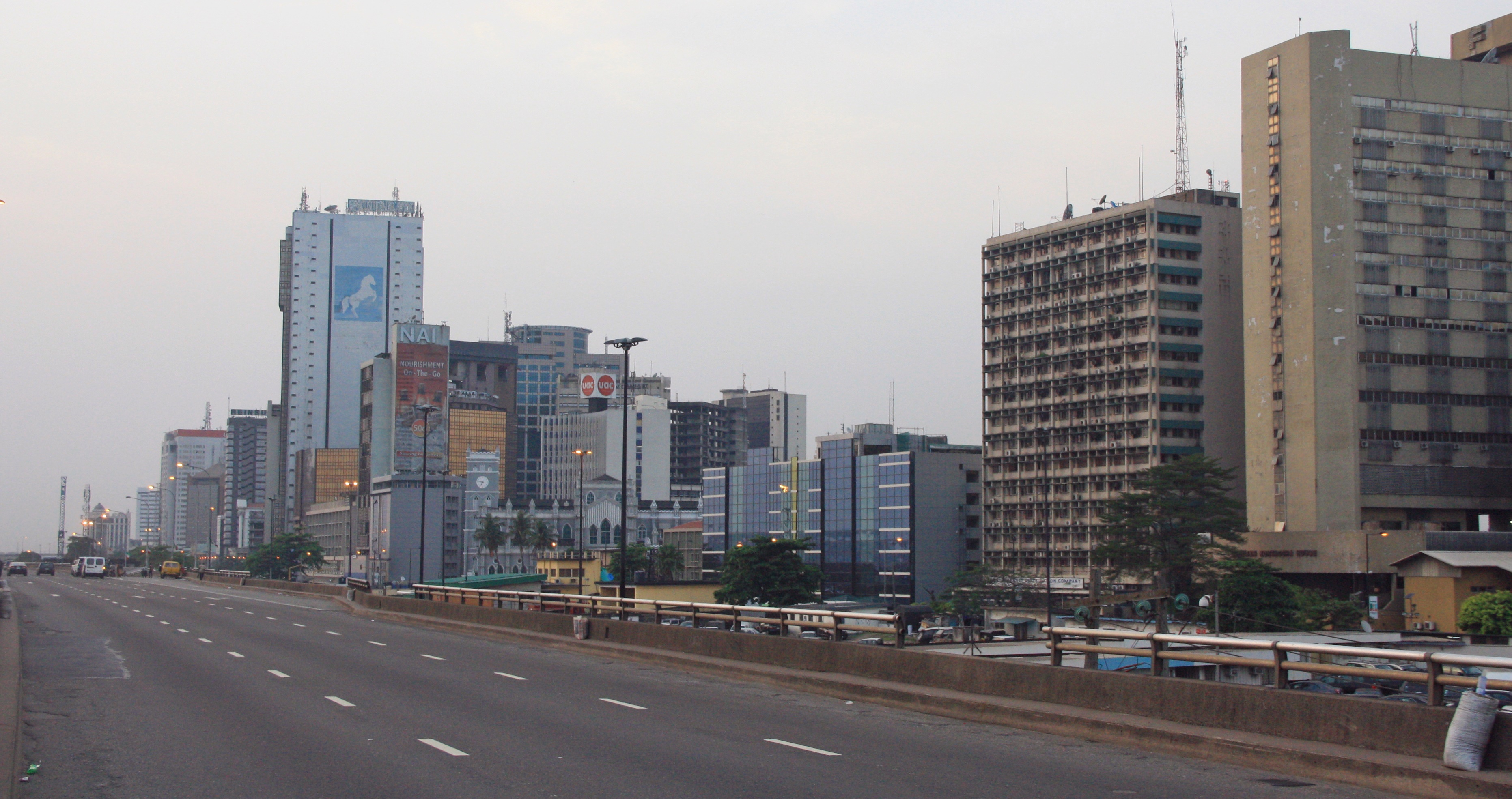
On 20 July 2014, Liberian-American official Patrick Sawyer traveled while ill from Monrovia to Lagos, Nigeria, where he collapsed and was later confirmed to have Ebola. The incident was a dramatic escalation because it introduced the virus into one of Africa’s largest cities and a major international transport hub. Although Nigerian authorities ultimately contained the chain of transmission through aggressive contact tracing and isolation, the case demonstrated how quickly Ebola could move beyond the core outbreak zone. It also intensified global concern that failures in West Africa could seed outbreaks elsewhere if international coordination and airport screening remained insufficient.
On 25 May 2014, Sierra Leone notified WHO of its first confirmed Ebola case, with the outbreak initially concentrated in Kailahun District in the east. Investigations later linked early transmission to cross-border movement from Guinea and to funeral practices involving a healer whose treatment network had drawn visitors from multiple communities. Sierra Leone’s entry into the epidemic completed the emergence of a three-country crisis at the heart of West Africa. Once the virus was established in all three neighboring states, response efforts were complicated by mobile populations, distrust of officials, and a shortage of trained staff, treatment beds, and diagnostic capacity.
On 30 March 2014, Liberia confirmed its first Ebola cases, centered in Foya District in Lofa County near the Guinean border. The confirmation showed that the outbreak had already crossed national boundaries in the Mano River region, where communities maintained intense family, trade, and travel links. This was a major turning point because it revealed that control could not be handled as a single-country problem. Liberia’s weak health system, still recovering from years of civil conflict, faced immediate strain as officials tried to identify contacts, isolate patients, and reassure a fearful population with limited treatment capacity.
After laboratory testing confirmed Ebola virus infection in samples from southeastern Guinea, the Guinean government notified the World Health Organization on 22 March 2014. This announcement transformed what had appeared to be a localized unexplained illness into an international public health emergency in the making. The early confirmed cases were concentrated in the forest region, especially around Guéckédou and Macenta, but contact patterns and cross-border travel meant the threat was already wider than first believed. Official notification launched international surveillance, laboratory support, and emergency response efforts, though these initially lagged behind the pace of transmission.
Retrospective investigations later identified a two-year-old child in the Guinean village of Meliandou as the probable first case of the West African Ebola epidemic. His death on 26 December 2013 was followed by illness in close family members and local caregivers, creating an unnoticed chain of transmission in the forest region near the borders of Liberia and Sierra Leone. Because the disease was not initially recognized as Ebola, early spread continued through family care, funerals, and routine movement across porous frontiers. This delayed recognition became one of the defining features of the crisis and helps explain how the outbreak grew into the largest Ebola epidemic ever recorded.
Discover commonly asked questions regarding Western African Ebola epidemic. If there are any questions we may have overlooked, please let us know.
What was the Western African Ebola epidemic?
What is the legacy of the Western African Ebola epidemic?
What were the global responses to the Western African Ebola epidemic?
What were the causes of the Western African Ebola epidemic?