Explore the pivotal events of the Wall Street Crash of 1929. Discover key dates and impacts that shaped the financial world.
On June 6, 1934, the Securities Exchange Act was signed into law, creating the framework for continuing federal regulation of securities markets and establishing the Securities and Exchange Commission. If the 1933 banking reforms addressed depositor confidence and commercial banking structure, the 1934 act targeted the markets themselves by requiring greater transparency, regulation of exchanges, and oversight of trading practices. This was a decisive institutional legacy of the 1929 crash. Lawmakers concluded that Wall Street could no longer rely on weak disclosure standards and private discipline alone. The act transformed the relationship between the federal government and financial markets in response to the abuses and instability revealed by the crash.
On June 16, 1933, President Roosevelt signed the Banking Act of 1933, commonly associated with Glass-Steagall. The law created the Federal Deposit Insurance Corporation and imposed a separation between commercial banking and investment activities. These reforms were direct responses to the failures exposed by the Wall Street crash and the banking panics that followed. The act is one of the most consequential legacies of 1929 because it aimed to rebuild trust in deposits, reduce speculative conflicts, and prevent a repeat of the disorder that had spread from Wall Street into the broader economy. It helped define American banking regulation for decades.
Franklin D. Roosevelt was inaugurated on March 4, 1933, at the height of the banking emergency and the wider depression that had followed the Wall Street crash. His administration entered office with pressure to stabilize the financial system immediately and restore public confidence. Roosevelt’s leadership marked a political turning point in the aftermath of the crash, because it helped produce an activist federal response instead of continued hesitation. In historical memory, the crash of 1929 and Roosevelt’s early New Deal are closely linked: the former exposed structural weaknesses in finance and governance, while the latter began the effort to rebuild the system through emergency measures, regulation, and relief.
By early March 1933, a national banking panic had brought the financial system to the brink. State banking holidays had spread, depositors were scrambling for cash, and public confidence in banks had nearly vanished. This climax represented the broader institutional breakdown that followed the Wall Street crash. While the crash had begun with securities markets, its legacy now encompassed paralyzed credit, business failure, and severe social distress. The March 1933 emergency is a key milestone because it forced the federal government to undertake sweeping intervention, ending the old approach to financial regulation and beginning a new era of national oversight.
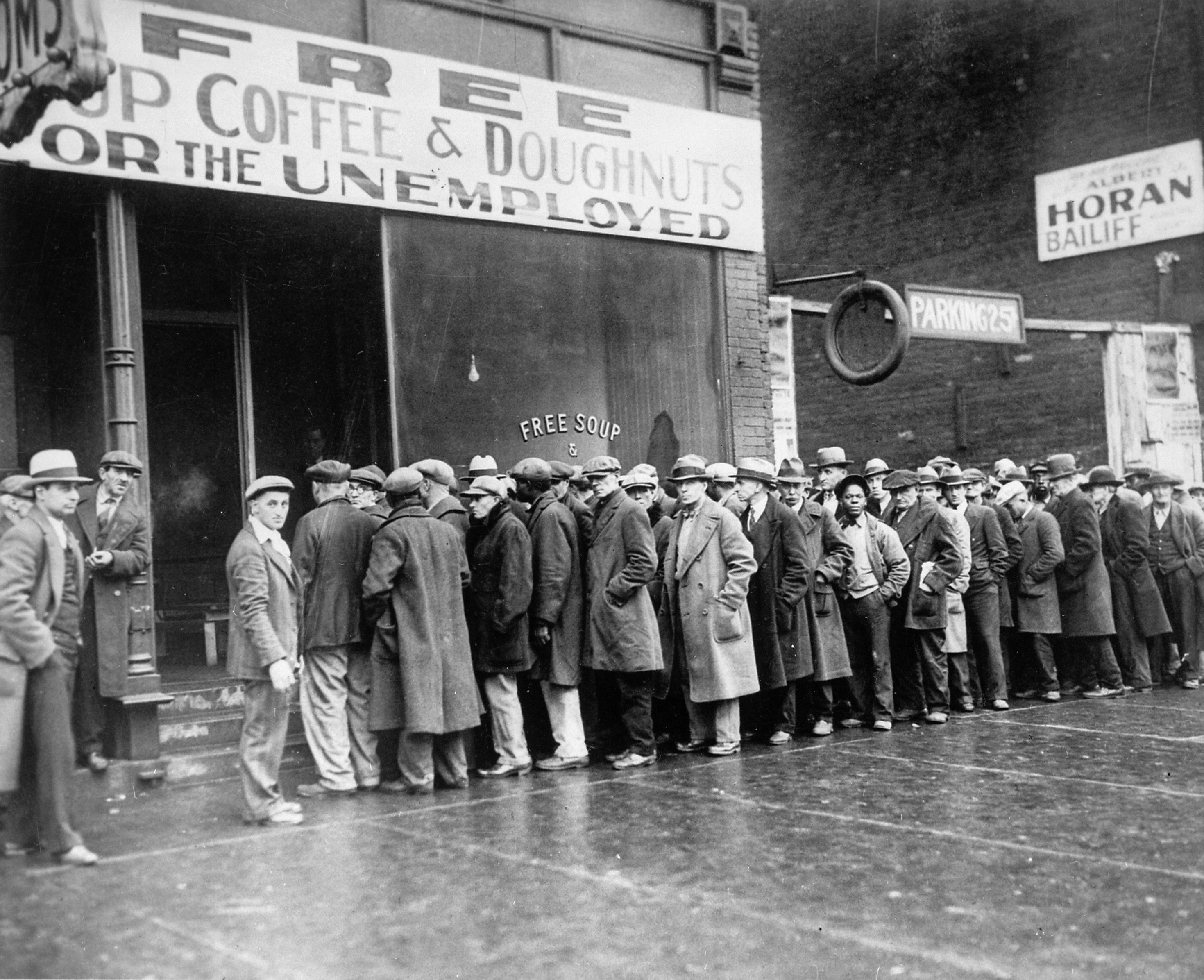
In the summer of 1932, the market’s long descent reached bottom. Federal Reserve History notes that the Dow closed at 41.22 in July 1932, roughly 89 percent below its 1929 peak. This low illustrates that the Wall Street crash was not a short, four-day event but the beginning of a sustained destruction of asset values over nearly three years. By then, the crash had become inseparable from the wider Great Depression, with collapsing production, mass unemployment, and immense hardship. The 1932 low is a critical milestone because it shows the full depth of the financial disaster and the inability of existing institutions to restore confidence quickly.
On December 11, 1930, the Bank of United States closed, becoming one of the largest bank failures in American history up to that time. Its collapse carried enormous symbolic weight because it happened in New York and involved a major institution with hundreds of millions of dollars in deposits. The failure intensified fears about the safety of banks and accelerated withdrawal pressures elsewhere. In the longer story of the Wall Street crash, this event demonstrates how a stock market collapse can evolve into a systemic financial crisis. It also showed the limits of existing safeguards, strengthening later demands for banking reform and federal deposit insurance.
In November 1930, a wave of bank failures marked the onset of the first banking crisis of the Great Depression era. The Wall Street crash had damaged confidence and weakened bank balance sheets, but the banking panic turned financial distress into a wider social emergency. As depositors rushed to withdraw funds, vulnerable institutions failed, shrinking credit and worsening the economic decline. This stage is crucial in the timeline because it shows that the crash’s significance lay not just in falling stock prices, but in the way those losses helped destabilize the banking system. The resulting contraction deepened unemployment, reduced business activity, and spread fear throughout the country.
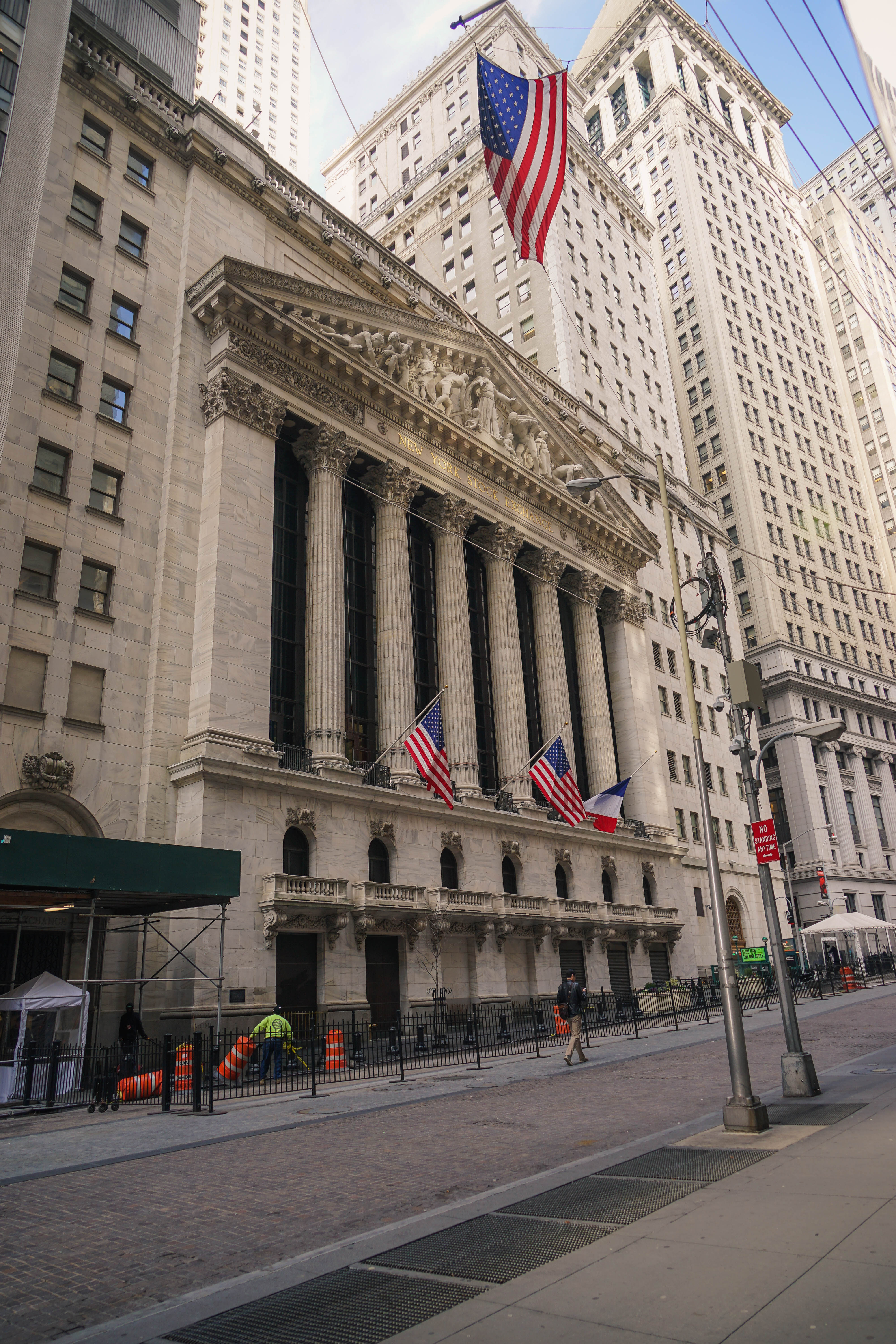
On October 29, 1929, Black Tuesday brought the most iconic day of the crash. More than 16 million shares were traded on the New York Stock Exchange as prices collapsed and many securities became nearly worthless. Investors who had bought on margin were wiped out, and the shock reverberated far beyond professional financiers. Black Tuesday became the enduring symbol of the Wall Street crash because it confirmed that the market break was not a brief panic but a profound destruction of wealth and confidence. Although the economy’s problems had multiple causes, this day fixed the crash in public memory and helped trigger a collapse in spending, investment, and credit.
The temporary stabilization achieved after Black Thursday failed to hold. On Monday, October 28, 1929, heavy selling resumed and stock prices fell sharply again. This day, often called Black Monday, demonstrated that the banking syndicate’s intervention had not restored faith in the market. The renewed plunge intensified public fear and weakened any expectation that losses would quickly be reversed. Black Monday is a major milestone because it transformed what some had still hoped was a short-lived disturbance into a full-scale crisis, making the following day’s even more devastating collapse both possible and psychologically more destructive.
October 24, 1929, became known as Black Thursday, the first day of real panic in the Wall Street crash. A record 12.9 million shares changed hands as frightened investors rushed to sell. Crowds gathered in New York’s financial district while prices plunged and rumors spread rapidly. Leading bankers and investment firms intervened by buying large blocks of stock, which helped produce a partial late-day recovery, but the rescue only slowed the panic temporarily. Black Thursday is one of the central milestones of the crash because it shattered the illusion that the market’s rise was secure and revealed how quickly confidence could evaporate.
By October 18, 1929, the market had entered the phase that Britannica describes as a free fall. Earlier declines in September and early October had not ended speculation, but this new break was far more alarming. Investors who had borrowed heavily to buy shares faced margin calls, meaning they had to provide more cash or liquidate their holdings. As prices dropped, forced selling pushed them down further, amplifying the crisis. This date is an important turning point because it marks the shift from uneasy correction to outright collapse, setting the stage for the famous panic days that followed on Wall Street.
On September 3, 1929, the Dow Jones Industrial Average reached its high point before the collapse, capping years of dramatic gains. The peak symbolized the height of public confidence in the American economy and in Wall Street’s promise of easy wealth. Yet by this point, prices had become detached from more cautious assessments of underlying economic conditions. The peak is a major milestone because it marks the final moment before uncertainty turned into erosion, then panic. From this summit, the decline in September and October gathered force, making later crash days part of a broader unraveling rather than an isolated shock.
The National Bureau of Economic Research later dated August 1929 as the peak of the U.S. business cycle. This matters because the Wall Street crash did not erupt in a healthy, expanding economy; instead, it struck just as broader economic activity was beginning to turn downward. Industrial output, construction, and consumer demand were already showing strain even while many stock prices remained elevated. The gap between weakening fundamentals and exuberant market valuations widened the danger. When confidence finally cracked in October, the falling market intensified a contraction that was already beginning, helping transform a downturn into the Great Depression.
On March 25, 1929, a sudden break in stock prices revealed how dependent the market had become on borrowed money and confidence. Although the decline was temporarily checked after major bankers and officials moved to calm conditions, the episode served as an early warning that the speculative advance was unstable. Instead of ending the boom, the recovery that followed encouraged many participants to believe that powerful financial interests could always stabilize Wall Street. That assumption later proved dangerously false when selling pressure returned on a much larger scale in the autumn.
By 1928, the long bull market of the Roaring Twenties had become increasingly speculative. Rising share prices drew in millions of small investors, many of whom bought stocks on margin, using borrowed money that depended on prices continuing to rise. The boom was sustained by optimism about corporate profits, easy credit, and a widespread belief that a "new era" of permanent prosperity had arrived. Historians and economic institutions later identified this surge in leveraged speculation as a crucial precondition for the Wall Street crash of 1929, because it made the market unusually vulnerable to fear, forced selling, and cascading losses once prices began to weaken.
Discover commonly asked questions regarding Wall Street crash of 1929. If there are any questions we may have overlooked, please let us know.
How did the Wall Street crash of 1929 impact the global economy?
What caused the Wall Street crash of 1929?
What were the immediate effects of the Wall Street crash?
What is the legacy of the Wall Street crash of 1929?