Royal Society
@royalsocietySince 1660
Discover the milestones of the Royal Society, showcasing its impact on science and innovation through the ages. Dive into our detailed timeline!
Frequently asked questions about Royal Society
Discover commonly asked questions regarding Royal Society. If there are any questions we may have overlooked, please let us know.
Who are some notable members of the Royal Society?
What is the Royal Society?
What is the significance of the Royal Society?
What is the legacy of the Royal Society?
Related Timepaths
People, places and organizations that appear in Royal Society’s events

Isaac Newton
Explore the comprehensive timeline of Isaac Newton's life, highlighting pivotal moments and achievements. From his early years and education to his groundbreaking work in mathematics, physics, and astronomy, this timeline provides insights into the life of one of history's most influential scientists.

Sir Paul M. Nurse
Explore the significant milestones in the life and career of Sir Paul M. Nurse, a distinguished geneticist and cell biologist. From his birth and education to his groundbreaking research and Nobel Prize in Physiology or Medicine, this timeline highlights the key moments and achievements that have shaped his influence in the scientific community.

James Clerk Maxwell
Explore the life and discoveries of James Clerk Maxwell, the father of modern physics. Dive into his key milestones and contributions.

Charles Darwin
Explore the significant milestones in the life of Charles Darwin, the influential British naturalist who developed the theory of evolution through natural selection. This timeline highlights important events in Darwin's journey, from his early education and voyage on the HMS Beagle, to the publication of 'On the Origin of Species' and his lasting impact on science.

Sir John B. Gurdon
Explore the timeline of Sir John B. Gurdon, a distinguished developmental biologist renowned for his groundbreaking research in nuclear transplantation and advancements in cloning. From his early education to receiving the Nobel Prize in Physiology or Medicine, this timeline highlights key milestones in Gurdon's illustrious career, showcasing his profound impact on genetic research and understanding of cellular reprogramming.
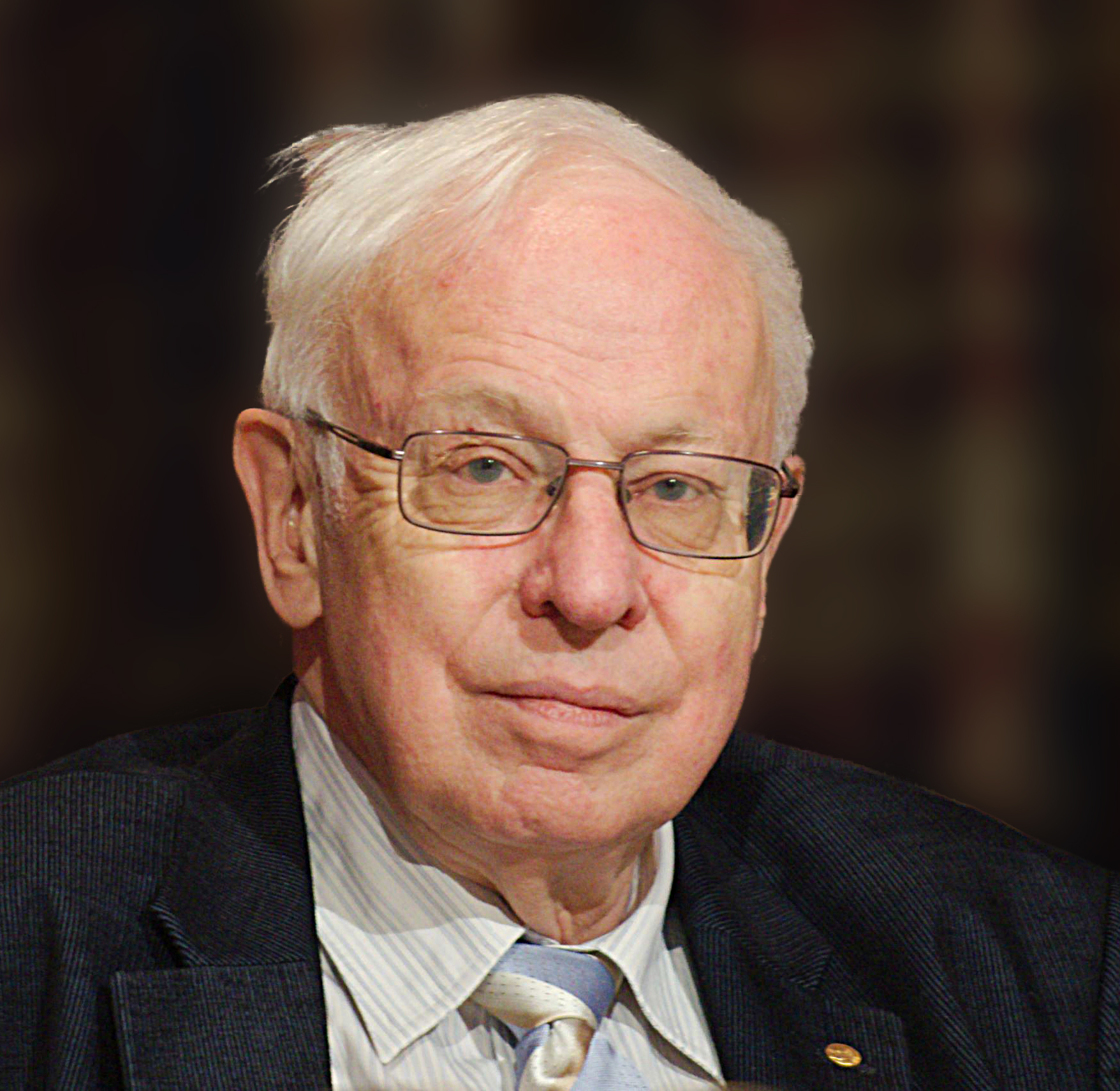
Tomas Lindahl
Explore the timeline of Tomas Lindahl, a renowned Swedish scientist known for his groundbreaking work in DNA repair. From his early life and education to his pivotal research contributions and accolades, this timeline highlights the key milestones and achievements in Lindahl's illustrious career. Discover how his findings have shaped our understanding of genetic stability and influenced modern science.

John E. Walker
Explore the timeline of John E. Walker, a renowned biochemist who made significant contributions to the field of molecular biology, including his Nobel Prize-winning work on the enzymatic process of ATP synthesis. Discover his life's milestones, academic achievements, and scientific breakthroughs in this comprehensive overview.

Joseph Blackmore
Explore the detailed timeline of Joseph Blackmore, highlighting significant events and milestones in his life and career. Discover the key moments that shaped his journey and the impact he made in his field.
Luke McNally
Explore the significant events and milestones in the life and career of Luke McNally. Discover key moments and achievements that have defined his personal and professional journey.
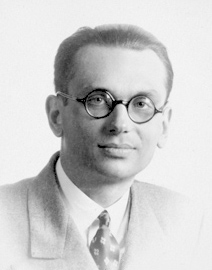
Kurt Gödel
Explore the pivotal moments in Kurt Gödel's life, his groundbreaking theories, and their impact on mathematics and philosophy. Discover more!