World Event · Other

Protests of 1968

@protestsof1968

Explore the pivotal protests of 1968, a year of social upheaval and transformation. Discover key events that shaped history.

15Events
Nov 1967
Dec
Jan 1968
Feb
Mar
Apr
May
Jun
Jul
Aug
Sep
Oct
Nov
Dec
16oktober
1968
16 oktober 1968

Black Power salute at the Mexico City Olympics globalizes protest symbolism

On 16 October 1968, during the medal ceremony for the men’s 200 meters at the Mexico City Olympics, U.S. athletes Tommie Smith and John Carlos raised gloved fists and bowed their heads in a silent protest against racial injustice. Though brief, the gesture became one of the most enduring images of 1968. It linked sport to the year’s larger struggles over civil rights, inequality, and political expression, demonstrating that protest had spread beyond campuses and streets into one of the world’s most visible international stages. The salute’s power lay in its visual economy: it turned a medal podium into a site of moral challenge, making the global language of dissent instantly recognizable across borders.

02oktober
1968
02 oktober 1968

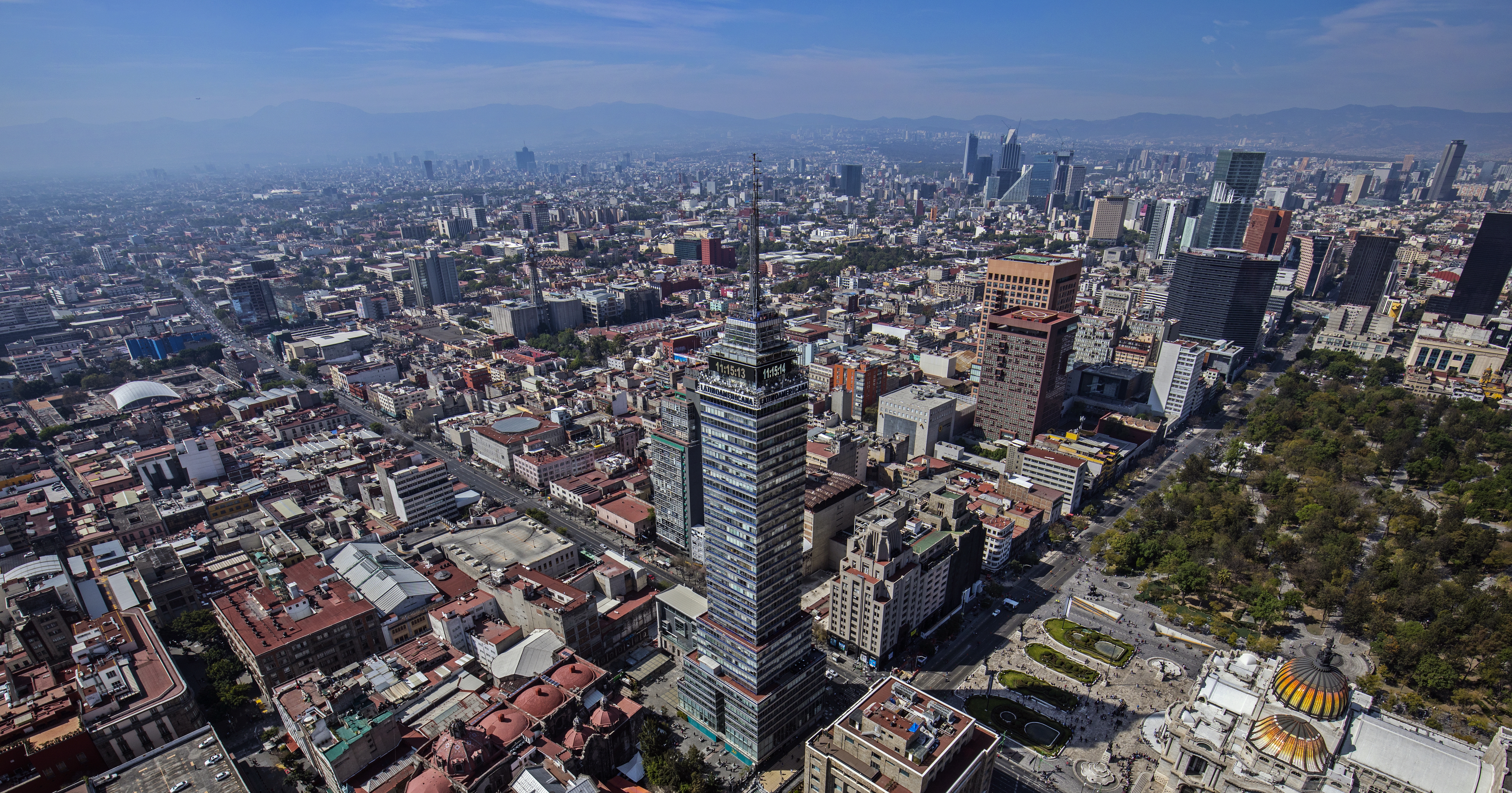
Tlatelolco massacre ends Mexico's student protest movement in bloodshed

On 2 October 1968, thousands of students and supporters gathered in the Plaza de las Tres Culturas at Tlatelolco in Mexico City, where soldiers, police, and allied forces opened fire. The number of dead remains disputed, but the event became one of the most infamous state massacres of 1968. The protest movement had challenged authoritarian rule, police repression, and social inequality in the months before Mexico hosted the Olympic Games. Tlatelolco is a crucial milestone because it showed the deadly lengths to which governments would go to suppress dissent during the global protest wave. Its memory has endured as a symbol of impunity, democratic struggle, and the importance of historical reckoning in modern Mexico.

28augustus
1968
28 augustus 1968

Violence outside the Democratic convention shocks national television audiences

On 28 August 1968, clashes between demonstrators and police outside the Democratic National Convention reached their most notorious peak, especially around Grant Park and the Conrad Hilton Hotel. Television viewers witnessed beatings, tear gas, and chaotic confrontations that a later federal inquiry famously described as a police riot. The scenes became one of the defining American images of 1968, showing how protest, media, and state violence interacted in real time. This was a major milestone within the global protest year because it demonstrated the power of mass broadcasting to transform a local confrontation into a national political event, intensifying public distrust and sharpening debate over war, democracy, and dissent.

23augustus
1968
23 augustus 1968

Democratic National Convention protests begin in Chicago

On 23 August 1968, antiwar demonstrators began gathering in Chicago ahead of the Democratic National Convention, setting the stage for some of the most televised confrontations of the year in the United States. Protesters sought to denounce the Vietnam War and the political establishment that sustained it, while city authorities imposed tight controls and prepared a forceful response. Over the following days, clashes in parks and on city streets brought images of police violence into living rooms across the country. The Chicago protests became a milestone because they revealed the depth of U.S. political fracture in 1968 and turned questions of dissent, public order, and state power into central themes of the presidential election season.

20augustus
1968
20 augustus 1968

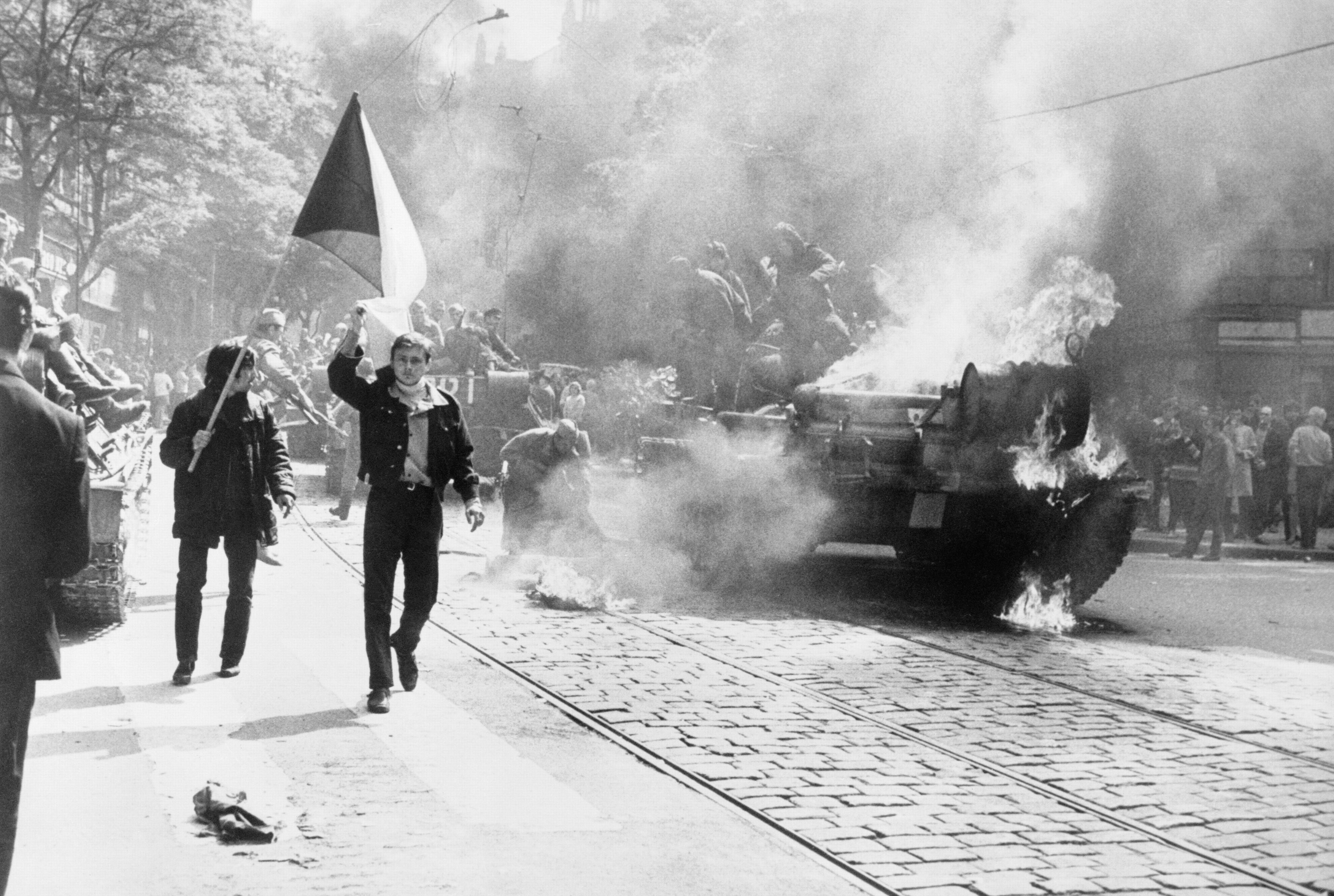
Warsaw Pact invasion crushes the Prague Spring

Beginning on the night of 20-21 August 1968, Soviet-led Warsaw Pact forces invaded Czechoslovakia to suppress the Prague Spring. Citizens responded with strikes, street protests, acts of nonviolent resistance, and efforts to confuse occupying troops by removing signs and confronting tanks in public spaces. The invasion marked one of the starkest demonstrations of the limits of dissent in the Eastern bloc and sent shock waves through the global left, especially among those who had hoped reform socialism could coexist with freedom of expression. As a milestone in the protests of 1968, it represented the brutal closing of one of the year’s most hopeful experiments and reshaped debates about socialism, imperial power, and resistance.

30mei
1968
30 mei 1968

De Gaulle's response marks the turning point of May 1968 in France

On 30 May 1968, after days of uncertainty that had raised doubts about whether the French government still controlled events, President Charles de Gaulle returned to Paris and addressed the nation. He dissolved the National Assembly, called new elections, and rallied conservative support, helping shift momentum away from the uprising. Massive pro-government demonstrations followed, and the protest wave gradually receded. This date is a milestone because it marks the political turning point at which the French state regained the initiative. Even though the immediate revolt ebbed, the events left a lasting legacy in labor rights, education reform, culture, and ideas about authority, participation, and everyday freedom.

13mei
1968
13 mei 1968

French general strike links workers and students

On 13 May 1968, trade unions and workers joined the French protest wave in a general strike that soon expanded into a massive national shutdown. What had begun as student unrest now became a social uprising involving factories, transportation, education, and public services. At its peak, millions of workers were on strike, making it the largest general strike in modern French history. This moment mattered because it showed that the protests of 1968 were not only cultural or generational but also deeply tied to labor conditions, political legitimacy, and class conflict. The alliance between students and workers gave the French movement a scope unmatched elsewhere that year.

10mei
1968
10 mei 1968

Night of the Barricades intensifies the French crisis

On the night of 10 May 1968, students and police fought in Paris’s Latin Quarter in what became known as the Night of the Barricades. Protesters tore up paving stones, overturned cars, and built makeshift defenses, while police used force to clear the area. Images and reports of the violence circulated widely and generated sympathy far beyond student circles. The confrontation was a decisive turning point because it helped bring organized labor into the struggle, expanding the unrest from a student rebellion into a nationwide social and political crisis. In the global memory of 1968, the barricades became one of the era’s most iconic visual symbols of revolt.

03mei
1968
03 mei 1968

Sorbonne confrontation opens the Paris May uprising

On 3 May 1968, protests that had begun at Nanterre spilled into the Sorbonne in central Paris, where police intervention and arrests provoked a major escalation. The clash transformed a university dispute into a citywide revolt. In the days that followed, the Latin Quarter became a battleground of marches, barricades, and running confrontations, attracting growing public sympathy. This was one of the central ignition points of the protests of 1968 because Paris rapidly became an international emblem of youth revolt, anti-authoritarian politics, and generational rebellion. The Sorbonne crisis also showed how state repression could convert localized unrest into a national political emergency.

23april
1968
23 april 1968

Students occupy buildings at Columbia University

On 23 April 1968, Columbia students escalated their campaign by occupying campus buildings, including Hamilton Hall and Low Library. The occupations dramatized a new tactical repertoire of the 1968 protest wave: direct action aimed at forcing institutions to halt normal operations until demands were heard. The protesters united opposition to the Vietnam War with criticism of racial inequality in New York City, especially over the planned gym in neighboring Harlem. The occupations drew national media attention and inspired similar actions elsewhere. They also exposed tensions within the movement itself over race, strategy, and coalition politics, making Columbia one of the defining American episodes of global 1968.

11april
1968
11 april 1968

Attempted assassination of Rudi Dutschke ignites wider West German unrest

On 11 April 1968, student leader Rudi Dutschke was shot and gravely wounded in West Berlin. The attack became a turning point for the West German protest movement, which had already been mobilizing against authoritarianism, the Vietnam War, and what activists viewed as the unbroken influence of older conservative elites in postwar society. Demonstrators blamed not only the gunman but also a hostile media climate that had vilified the student left. The shooting sparked immediate protests and riots in Berlin and other West German cities, deepening polarization and transforming the movement from a reformist student challenge into a broader confrontation over democracy, violence, and public memory in the Federal Republic.

27maart
1968
27 maart 1968

Columbia University protests begin with a sit-in at Low Library

On 27 March 1968, antiwar activists at Columbia University staged a peaceful demonstration inside Low Library, a confrontation that helped trigger one of the most famous U.S. campus uprisings of 1968. Student anger centered on the university’s links to defense research connected to the Vietnam War and on plans for a gymnasium in Morningside Park that critics saw as racially exclusionary toward Harlem residents. University discipline against protesters deepened the crisis rather than containing it. The opening sit-in was significant because it turned local campus issues into a national symbol of student resistance, university governance conflict, and the fusion of antiwar and civil-rights-era activism.

22maart
1968
22 maart 1968

The March 22 Movement forms at Nanterre

On 22 March 1968, students at the University of Nanterre occupied an administration building, helping create the March 22 Movement that became a catalyst for the French revolt of May 1968. Initially focused on university conditions, gender rules, and opposition to capitalism and the Vietnam War, the movement quickly helped connect student grievances to broader social discontent. Nanterre’s agitation did not remain local: it spilled into Paris and inspired escalating confrontations with authorities. This date is important because it marks the organizational beginning of the French protest wave that soon expanded from universities to factories and into the largest general strike in modern French history.

08maart
1968
08 maart 1968

Student demonstrations erupt at the University of Warsaw

On 8 March 1968, students gathered at the University of Warsaw to protest censorship, political repression, and the expulsion of dissident students. The demonstration was violently broken up, but the crackdown transformed a campus protest into a wider political crisis in communist Poland. The regime used the unrest to justify a harsh campaign of arrests and an anti-Semitic purge, forcing many Polish Jews to emigrate. The Warsaw protests were a major East European chapter in the global upheavals of 1968, linking demands for cultural freedom and civil rights with resistance to authoritarian state power.

05januari
1968
05 januari 1968

Prague Spring begins with Alexander Dubček's rise in Czechoslovakia

On 5 January 1968, Alexander Dubček became first secretary of the Communist Party of Czechoslovakia, launching the reform period later known as the Prague Spring. What began as an intra-party leadership change quickly widened into one of the year’s most consequential protest movements, as censorship loosened, public debate expanded, and students, writers, and workers pressed for deeper democratization. The moment mattered far beyond Prague because it showed how demands for civil liberties and political accountability were surfacing even inside the Soviet bloc. In the broader history of the protests of 1968, Prague became a symbol of “socialism with a human face” and of the limits imposed by superpower control.

Frequently asked questions about Protests of 1968

Discover commonly asked questions regarding Protests of 1968. If there are any questions we may have overlooked, please let us know.

What significant events occurred during the protests of 1968?

How did the protests of 1968 impact American society?

What were the main causes of the protests in 1968?

What is the legacy of the protests of 1968?