Explore Petra's timeline: Nabataean rise, Roman annexation, Byzantine era, decline, 19th-century rediscovery, and UNESCO World Heritage status in Jordan.
Petra was rediscovered by Swiss explorer Johann Ludwig Burckhardt on August 22, 1812. While traveling through Jordan disguised as a Muslim trader, Burckhardt stumbled upon the ancient city, which had been largely forgotten by the Western world. His discovery sparked interest and fascination among European scholars and explorers, leading to increased archaeological and touristic exploration of the site. Burckhardt's accounts of Petra introduced the world to its stunning architecture and rich history, revitalizing interest in the ancient city.
By the 7th century AD, Petra had significantly declined due to a combination of factors including the aftermath of the earthquake in 363 AD, shifting trade routes, and the rise of sea-based commerce. The spread of Islam and the Muslim conquests shifted political and trade dynamics in the region, leading to Petra's abandonment as a major city. Though people continued to live in the area, Petra's prominence as a cultural and economic center ended, and the once-thriving metropolis transformed into a forgotten relic of history.
A major earthquake struck the region in 363 AD, causing extensive damage to the city of Petra. This natural disaster severely impacted Petra's infrastructure, destroying many buildings and significantly damaging the water management systems that were crucial to life in the desert city. The earthquake marked the beginning of Petra's decline, as the devastation coupled with changing trade routes reduced the city's economic stability and importance in the region over the following centuries.
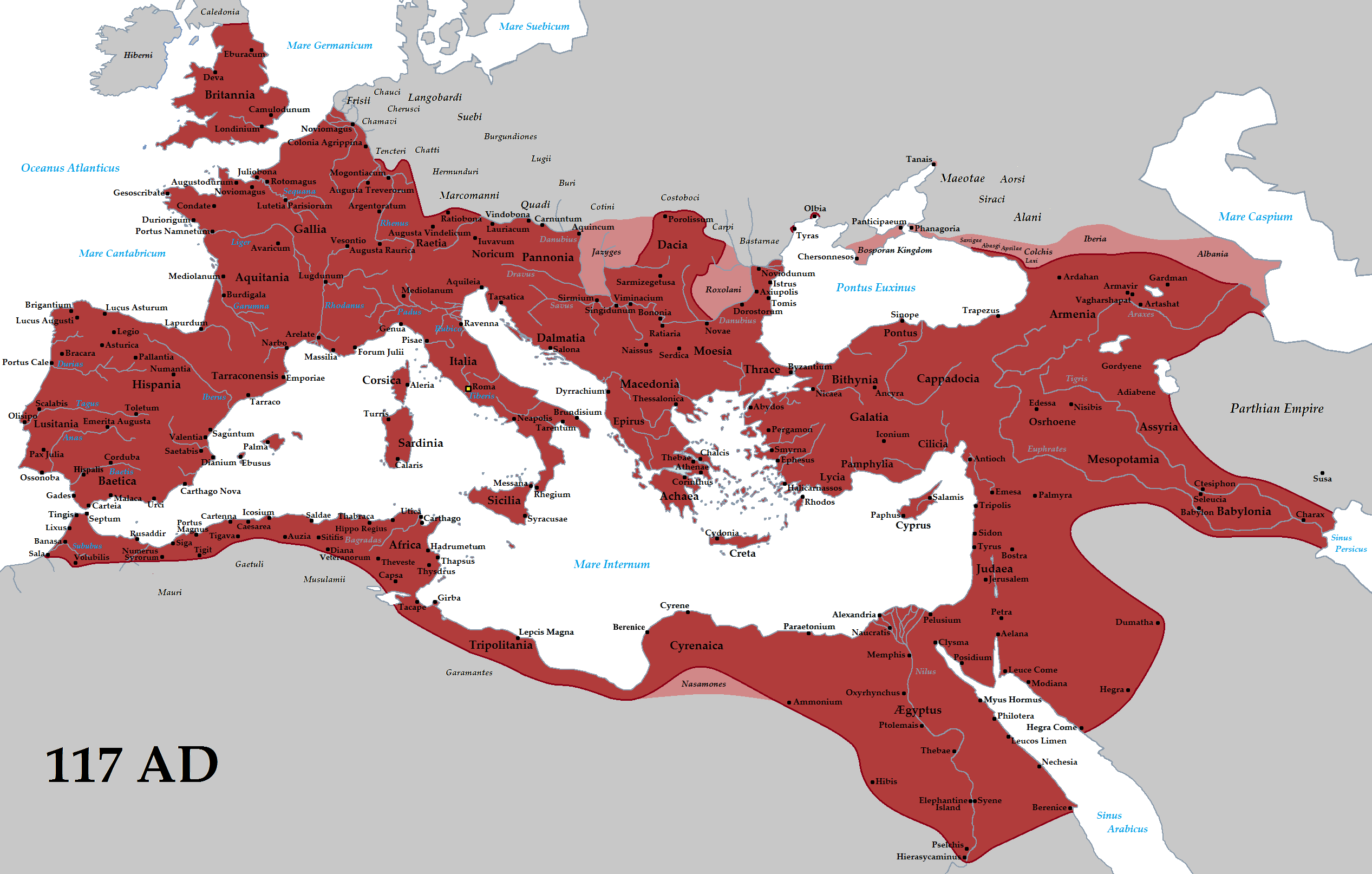
In 106 AD, the Roman Empire under Emperor Trajan annexed the Nabataean Kingdom, incorporating Petra into the Roman province of Arabia Petraea. This marked a significant turning point as Roman influence began to reshape Petra's architecture and culture. Under Roman rule, Petra continued to thrive as a trading city, though the empire's influence introduced new administrative and infrastructural systems to the region. The annexation signified the end of the Nabataean Kingdom, but Petra remained a flourishing city for centuries.
The historical city of Petra, located in modern-day Jordan, was founded by the Nabataean Arabs around 312 BC. The Nabataeans established Petra as their capital and developed it into a major trading hub. Its location was strategic for the control over the trade routes that passed through the Arabian Peninsula, connecting the Roman Empire to Arabia and beyond. Petra became a center for commerce, culture, and craftsmanship, thriving as a unique metropolis carved into rose-red sandstone cliffs.
Petra was designated as a UNESCO World Heritage Site in 1985, recognizing its outstanding universal value as a cultural landmark. This designation aimed to preserve and protect the archaeological integrity of the site, ensuring its conservation for future generations. As a World Heritage Site, Petra has attracted international attention and funding for its preservation, promoting sustainable tourism that balances development with conservation. The status has helped raise global awareness about Petra's historical and cultural significance.
The release of "Indiana Jones and the Last Crusade" in 1989, with scenes filmed in Petra, significantly increased the global visibility of the site. The movie featured the iconic façade of Al-Khazneh (The Treasury), one of Petra's most famous structures, enhancing public interest and tourist visits. Its depiction in a popular Hollywood film turned Petra into an even more attractive tourist destination, making it recognizable to audiences worldwide and contributing to its status as a cultural icon.
On July 7, 2007, Petra was named one of the New Seven Wonders of the World, a title awarded after a global poll conducted by the New7Wonders Foundation. This honor highlighted Petra's cultural and historical significance, celebrating its unique architecture and archaeological relevance. Being named one of the New Seven Wonders brought renewed global attention and tourism to Petra, bolstering efforts to preserve and promote the site. It emphasized Petra's importance as a heritage destination of global interest.
Discover commonly asked questions regarding Petra. If there are any questions we may have overlooked, please let us know.
What are the key dates in Petra’s historical timeline?
What led to Petra’s decline and partial abandonment?
When was Petra founded and by whom?
When did Petra reach its peak, and what drove its prosperity?
More timelines connected to Petra