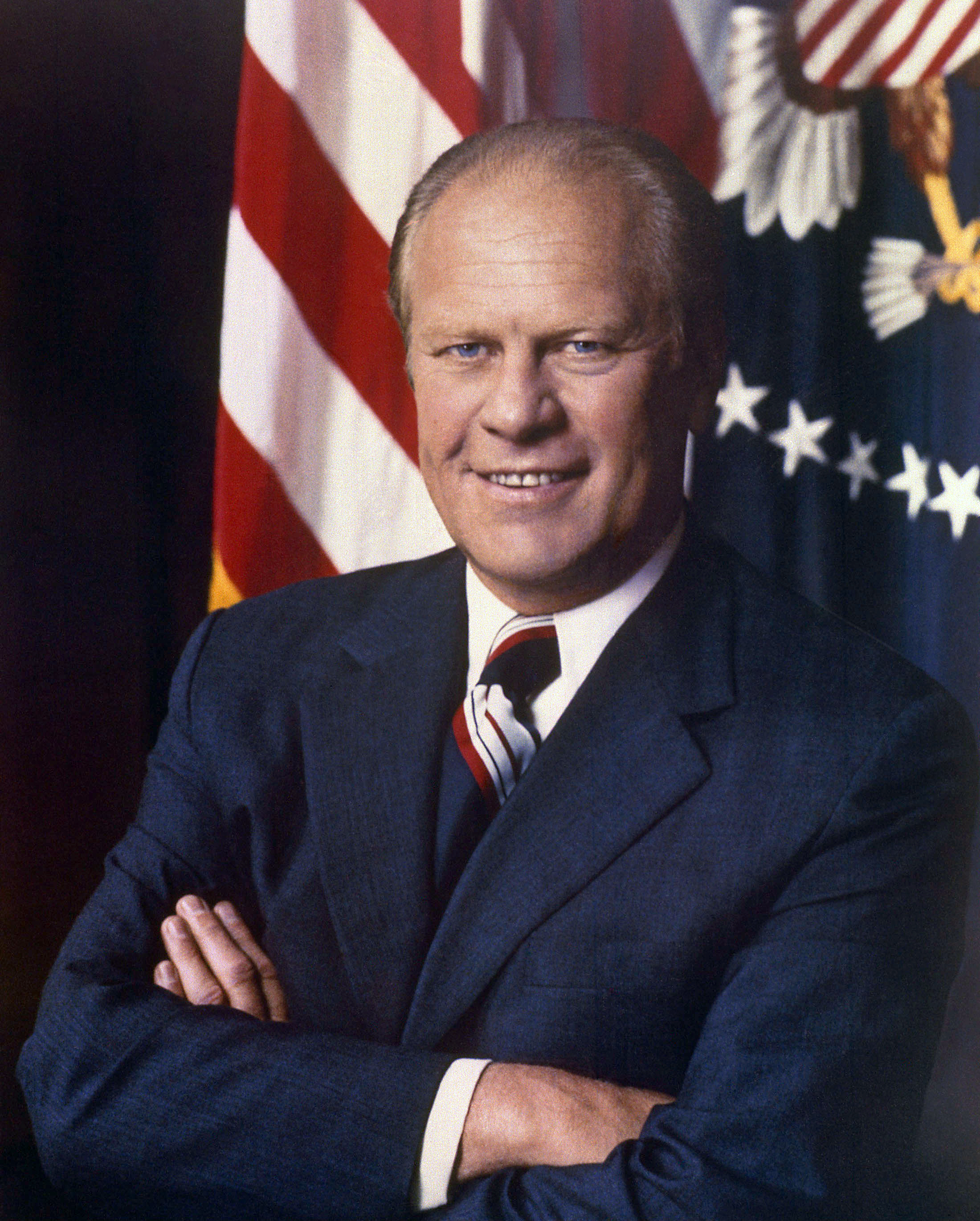
Explore the life and achievements of Nelson Rockefeller through an engaging timeline. Discover key events and milestones that shaped his legacy.
Nelson Rockefeller died of a heart attack in New York City on January 26, 1979, at age seventy. His death ended a career that had touched diplomacy, state government, art patronage, presidential politics, and the vice presidency. Public reaction immediately combined recognition of his extraordinary governmental record with renewed attention to the controversies that had followed him, from Attica and the drug laws to the personal scandals that complicated his White House ambitions. In historical memory, Rockefeller remains a defining figure of mid-20th-century liberal Republicanism: energetic, institution-building, cosmopolitan, and emblematic of a version of the Republican Party that later largely disappeared.
On November 4, 1975, Rockefeller withdrew his name from consideration for the vice presidency in the 1976 election, a clear sign of his weakened standing inside the Republican Party. Conservative opposition to him had never subsided, and Ford’s political team concluded that keeping Rockefeller on the ticket would complicate party unity during a difficult nomination battle against Ronald Reagan. The decision underscored the eclipse of Rockefeller’s Republican tradition by a more conservative movement that was rapidly taking control of the party. It also marked the practical end of his long pursuit of elected national power, leaving him a transitional figure between two different Republican eras.
After President Gerald Ford nominated him and Congress confirmed him, Rockefeller was sworn in as vice president on December 19, 1974, becoming the second person appointed to the office under the Twenty-fifth Amendment. His elevation represented a dramatic return to national power after years of failed presidential campaigns. Ford chose him in part for his governmental experience and stature, but the selection also deepened ideological tensions within the Republican Party because conservatives distrusted Rockefeller’s moderation. Although he brought immense experience and prestige to the office, his vice presidency proved constrained, and he never exercised the kind of independent influence many expected from such a prominent national figure.
Rockefeller resigned the governorship in December 1973 after four elected terms, ending one of the longest and most transformative administrations in New York history. He stepped down in part to devote himself to the Commission on Critical Choices for Americans, a policy body that reflected his continuing interest in national planning and bipartisan problem-solving. His years in Albany had remade the physical and institutional landscape of the state through large infrastructure projects, expanded higher education, arts funding, and administrative growth. Yet his record also carried major liabilities, including fiscal expansion, conservative backlash, and unresolved questions about the social costs of his law-and-order policies.
In 1973 Rockefeller backed and signed New York’s harsh new drug laws, legislation that came to bear his name and profoundly influenced debates over crime and punishment. The laws mandated severe prison sentences for certain drug offenses and reflected his increasingly punitive turn on narcotics policy after earlier rehabilitation-centered approaches had disappointed him. Supporters saw the measures as a forceful response to addiction and crime, but critics argued that they were excessive, ineffective, and socially damaging. Over time the laws became emblematic of the era’s tough-on-crime politics and were widely cited in discussions of mass incarceration and racial disparity in criminal justice.
The retaking of Attica Correctional Facility on September 13, 1971, became the most enduring controversy of Rockefeller’s governorship. After days of uprising and negotiation, he refused repeated calls to visit the prison personally, and state authorities moved to retake the facility by force. The assault left dozens dead, including hostages and inmates, and subsequent findings established that hostages had been killed by law-enforcement gunfire rather than by prisoners. The episode became a national symbol of state violence, racial tension, and penal crisis, and critics long argued that Rockefeller’s decisions reflected political calculation and a willingness to use overwhelming force rather than pursue a negotiated resolution.
Rockefeller’s 1964 campaign for the Republican presidential nomination ended in defeat as Senator Barry Goldwater secured the party’s nomination. Rockefeller entered the race as the leading figure of the party’s liberal and moderate wing, but he faced fierce resistance from an ascendant conservative movement. His campaign exposed a fundamental transformation inside the Republican Party, where his brand of internationalist, activist, and socially moderate politics was losing ground. The defeat was therefore more than a personal setback: it marked a pivotal ideological turning point in modern American conservatism and sharply reduced Rockefeller’s chances of ever reaching the presidency.
On May 4, 1963, Rockefeller married Margaretta “Happy” Murphy, a remarriage that immediately intensified the political effects of his recent divorce. Though personally important and enduring, the marriage became a national campaign issue because many Republicans saw it as evidence of impropriety or feared it would alienate women voters and religious conservatives. The episode reflected the moral expectations still imposed on presidential contenders in the early 1960s. In later assessments, historians have debated how decisive the marriage was in derailing his White House prospects, but contemporaries widely treated it as a serious obstacle to his national ambitions.
Rockefeller’s 1962 divorce from Mary Todhunter Clark Rockefeller became one of the most consequential personal events of his public life. At a moment when he was widely viewed as a plausible future Republican presidential nominee, the breakup damaged his reputation among many traditional and conservative voters. The divorce was covered not merely as society news but as a test of character and judgment, illustrating how private conduct could shape national electability in mid-20th-century politics. Its political consequences lasted for years, weakening his standing in the Republican Party just as ideological and cultural divisions within the party were intensifying.
Rockefeller won election as governor of New York in 1958, defeating incumbent W. Averell Harriman in a year otherwise favorable to Democrats. The victory gave him the major elective office he had sought after years in appointed and philanthropic roles. As governor he gained a platform large enough to influence national politics while demonstrating his approach to executive leadership: activist, managerial, ambitious, and willing to use public spending for institutional growth. His election began a fourteen-year governorship during which New York expanded its universities, cultural programs, infrastructure, and governmental reach, while also accumulating fiscal strains and political controversy.
In 1956 Rockefeller initiated the Rockefeller Brothers Fund’s Special Studies Project, a large private policy effort designed to examine the United States’ strategic challenges and future direction. The project gathered prominent experts and produced reports on national purpose, defense, domestic policy, and international competition during the Cold War. It became one of the clearest expressions of Rockefeller’s belief that elite planning, expert knowledge, and long-range analysis could guide national renewal. The project also helped position him for elective politics by presenting him as a thinker and organizer with a serious agenda that reached well beyond New York or the family fortune.
From 1953 Rockefeller served as undersecretary of the newly created Department of Health, Education, and Welfare, giving him a major domestic-policy portfolio under President Dwight D. Eisenhower. The post broadened his experience beyond Latin American affairs and exposed him to federal administrative reform, public health, education policy, and social welfare questions. His work in and around the Eisenhower administration reinforced his image as a pragmatic Republican comfortable with an active governmental role. That orientation later became central to the brand of moderate, managerial Republicanism associated with him and with the faction eventually labeled ‘Rockefeller Republicans.’
Rockefeller’s advancement to assistant secretary of state for American Republic affairs in late 1944 confirmed his growing stature in Washington. In this position he moved from a specialized wartime coordinating role into the formal leadership structure of the State Department. The appointment recognized his influence on Latin American policy and his effectiveness in linking diplomacy, communications, and strategic concerns during World War II. Although his tenure was relatively brief, it strengthened his claim to be an experienced international statesman, a theme he would later emphasize during his presidential campaigns and while advising national leaders of both parties.
In 1940 Rockefeller took his first major federal post as coordinator of inter-American affairs, beginning a wartime role that made him a visible figure in U.S. policy toward Latin America. The appointment reflected his business experience in the region and his fluency in Spanish, but it also placed him at the center of Roosevelt-era efforts to counter Axis influence in the Western Hemisphere. Through cultural diplomacy, media programs, and political coordination, Rockefeller helped shape the Good Neighbor framework during a critical period. The position established him as more than a wealthy heir: it made him a serious administrator with foreign-policy credentials.
In 1939 Rockefeller became president of the Museum of Modern Art in New York, a role that highlighted the cultural side of his public identity. The museum had been deeply connected to his family, especially his mother, Abby Aldrich Rockefeller, and Nelson used his position to expand its visibility and influence. His involvement with modern art was not merely decorative; it demonstrated his interest in architecture, design, and the use of cultural institutions as instruments of civic prestige. This reputation as a sophisticated, internationally minded patron later shaped both his political image and the substance of his public projects as governor.
On June 23, 1930, Nelson Rockefeller married Mary Todhunter Clark, beginning a marriage that would last more than three decades and produce five children. The union reinforced his place within the upper reaches of American society and coincided with his early years in business, philanthropy, and cultural patronage. Mary later served as first lady of New York during his governorship, making the marriage politically significant as well as personal. Its eventual collapse in the early 1960s became a major public controversy that damaged Rockefeller’s standing with many conservative Republican voters at a crucial moment in his national ambitions.
Rockefeller graduated from Dartmouth College in 1930 with a degree in economics, a milestone that marked his formal transition into business and public life. Rather than immediately seeking elective office, he spent the following years working in family-linked enterprises including banking, real estate, and oil. Those experiences gave him administrative confidence and international exposure, especially in Latin America, where business interests helped shape his later diplomatic focus. Dartmouth also connected him to elite political and corporate networks that would remain important throughout his rise in national affairs.
Nelson Aldrich Rockefeller was born into one of the most prominent families in the United States, the son of John D. Rockefeller Jr. and Abby Aldrich Rockefeller. His birth placed him within a network of extraordinary wealth, philanthropy, and political influence, but it did not predetermine his later public career. Over time he developed a distinct identity as a businessman, patron of modern art, New York governor, presidential aspirant, and vice president. His family background gave him access and resources, yet his long record in public office reflected an unusually sustained effort to convert inherited privilege into an active role in government and public policy.
Discover commonly asked questions regarding Nelson Rockefeller. If there are any questions we may have overlooked, please let us know.
What is Nelson Rockefeller's legacy?
How did Nelson Rockefeller's vice presidency affect his career?
What were Nelson Rockefeller's major contributions?
Who was Nelson Rockefeller?