World EventOther

Nanjing Massacre

@nanjingmassacre

Explore the Nanjing Massacre timeline, detailing key events and impacts. Discover the history that shaped this tragic chapter.

10Defining moments
77Years
1940
1950
1960
1970
1980
1990
2000
2010
1936
1938
1942
1944
1946
1948
1952
1954
1956
1958
1962
1964
1966
1968
1972
1974
1976
1978
1982
1984
1986
1988
1992
1994
1996
1998
2002
2004
2006
2008
2012
2014
2016
SAT · 13 DEC 2014

First national memorial ceremony held

On December 13, 2014, China held the inaugural National Memorial Ceremony for the victims of the Nanjing Massacre at the Memorial Hall in Nanjing. The event featured senior leaders, survivor representatives, sirens, wreath‑laying, and public mourning across the country.

WED · 27 FEB 1946

Tribunal establishes national memorial day legislation

On February 27, 2014 (post‑war legacy), China's National People’s Congress Standing Committee voted to establish December 13 as National Memorial Day for the Victims of the Nanjing Massacre, formally marking the massacre in national memory.

MON · 28 MAR 1938

Order restored, massacre ends

By March 28, 1938, Japanese-established collaborationist government in Nanjing had consolidated power and public order was largely restored, marking the end of the region-wide period of mass atrocity that had begun the previous December.

SUN · 06 FEB 1938

Hisao Tani condemned and death sentence

On February 6, 1947 (reflecting the broader post‑war trial outcomes), Lieutenant General Hisao Tani was found guilty by the Nanjing War Crimes Tribunal for his role in atrocities including in Nanjing, receiving a death sentence. This marked a legal reckoning with Japanese wartime leadership.

SAT · 01 JAN 1938

Establishment of Nanjing Self‑Governing Committee

On January 1, 1938, the Japanese set up the Nanjing Self‑Governing Committee in an effort to establish administrative control over the occupied city, signaling an attempt to normalize their authority amid ongoing atrocities.

FRI · 17 DEC 1937

Japanese entry ceremony in captured Nanjing

A formal entry ceremony was held by Japanese forces on December 17, 1937, proclaiming control over Nanjing and symbolizing Japan’s victory, while atrocities continued during and after the ceremony.

MON · 13 DEC 1937

Fall of Nanjing and start of massacre

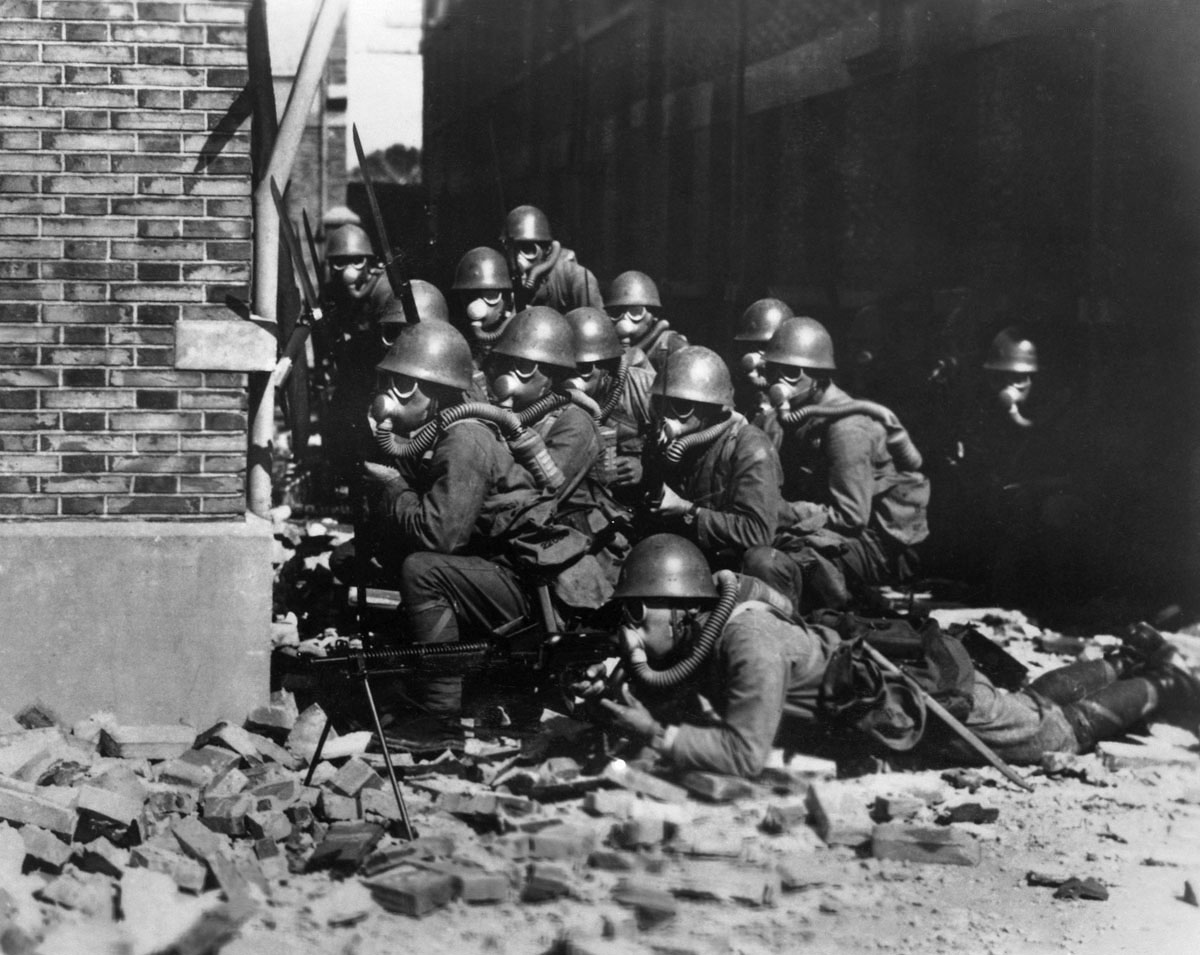
On December 13, 1937, Japanese forces entered and seized Nanjing. Immediately following the city’s fall, they unleashed a violent six‑week campaign of mass killings, sexual violence, looting, and arson against civilians and prisoners of war.

SAT · 04 DEC 1937

Atrocities begin around Nanjing

As early as December 4, 1937, Japanese troops began committing atrocities—including murder, torture, rape, looting, and arson—in areas surrounding Nanjing, indicating that the horrific violence did not strictly begin only after the city’s fall but in preceding days as Japanese forces advanced.

WED · 01 DEC 1937

Battle of Nanjing begins

On December 1, 1937, Japanese forces, under orders from Emperor Hirohito and commanded by General Iwane Matsui, launched an assault to capture Nanjing, the then‑capital of the Republic of China. This offensive was a pivotal escalation in Japan’s campaign in China.

WED · 07 JUL 1937

Marco Polo Bridge Incident sparks full-scale war

The Marco Polo Bridge Incident on July 7, 1937, marked the outbreak of the Second Sino‑Japanese War. This clash near Beijing escalated into a broad invasion by Japan of China, setting the stage for subsequent campaigns—including the advance toward and eventual capture of Nanjing.

That's every defining moment so far. New events are added only when the reporting warrants it.

Frequently asked questions about Nanjing Massacre

Discover commonly asked questions regarding Nanjing Massacre. If there are any questions we may have overlooked, please let us know.

What are the key facts about the Nanjing Massacre?

What is the legacy of the Nanjing Massacre?

Why is the Nanjing Massacre significant?

What was the Nanjing Massacre?