Explore the remarkable timeline of Martha Gellhorn's life, her literary achievements, and her impact on journalism. Discover her story now!
Martha Gellhorn died in London on February 15, 1998, at the age of eighty-nine. By the time of her death, she had reported on major conflicts from the Spanish Civil War through Vietnam and beyond, and had built a parallel body of fiction, memoir, and political commentary. Obituaries emphasized both her pioneering role as a woman war correspondent and her refusal to be romanticized. Her death closed a career spanning roughly six decades, but it also sharpened appreciation of her core achievement: she made journalism answerable to the experience of the vulnerable, and she insisted that witnessing suffering was a public obligation rather than a literary pose.
Gellhorn's 1978 memoir Travels with Myself and Another offered a characteristically sharp and unsentimental account of travel, work, and personal experience. The book is significant because it allowed her to shape her own story in prose that mixed wit, irritation, independence, and retrospective judgment. Rather than yielding to nostalgia, she used memoir to defend a life built around movement and observation. It also provided readers with a self-portrait distinct from the simplified public image that often reduced her to a famous ex-wife or a glamorous wartime figure. The memoir reaffirmed that her voice remained forceful, skeptical, and unmistakably her own in later life.
In 1967 Gellhorn was still reporting from conflict zones, including Vietnam, while also publishing The Lowest Trees Have Tops. Together, those efforts demonstrated the remarkable longevity and range of her career. She remained fiercely critical of official narratives and especially attentive to what war did to civilians on the ground. Her Vietnam reporting placed her among the journalists challenging sanitized versions of modern conflict, while her fiction continued to engage questions of political fear, conformity, and power. This period is important because it shows that Gellhorn was not merely a figure of the 1930s and 1940s; she stayed intellectually and morally engaged deep into the later Cold War era.
The Face of War, published in 1959, gathered Gellhorn's reporting from multiple conflicts and presented a sustained record of twentieth-century warfare as lived by civilians and witnesses rather than generals. The book consolidated her standing as one of the era's great correspondents, not simply because she had been present at major events, but because she had developed a distinctive ethic of attention. Her focus remained on terror, displacement, grief, and political hypocrisy. In book form, those dispatches revealed the consistency of her method across decades. The volume helped define her legacy for later journalists who saw reporting as a form of moral as well as factual accountability.
By late 1945, Gellhorn's marriage to Hemingway had effectively collapsed and the divorce was finalized. The split mattered because it freed her from a relationship increasingly defined by competition, resentment, and conflicting ideas about domestic life and professional duty. Gellhorn later resisted public fascination with the marriage, arguing in effect that it obscured the work she considered central. Yet the divorce was an important turning point: it marked her decision to preserve personal and professional autonomy at considerable emotional cost. Afterward she continued to build a long international reporting career on terms that were unmistakably her own.
In May 1945 Gellhorn visited Dachau after its liberation by American forces, confronting the concentration camp system at close range. The experience deepened the moral seriousness already present in her war reporting. What she saw there confirmed that modern war could not be understood only through battles and strategy; it also had to be grasped through the industrialized cruelty inflicted on civilians and prisoners. Her writing on camps and liberated Europe helped document the meaning of victory in human rather than diplomatic terms. Dachau became one of the moments that most forcefully vindicated her lifelong insistence on bearing witness where official language was least adequate.
Determined to witness the Allied invasion firsthand, Gellhorn got herself onto a hospital ship connected to the Normandy operation and reached France on D-Day in June 1944. Because women correspondents faced heavy restrictions, the act required deception, nerve, and a refusal to accept institutional exclusion. Her reporting emphasized the wounded and the human cost of invasion rather than triumphalist military spectacle. This episode became one of the defining stories of her career because it captured both her resourcefulness and her professional creed: if history was happening, she intended to see it for herself, especially when official systems tried to keep her out.
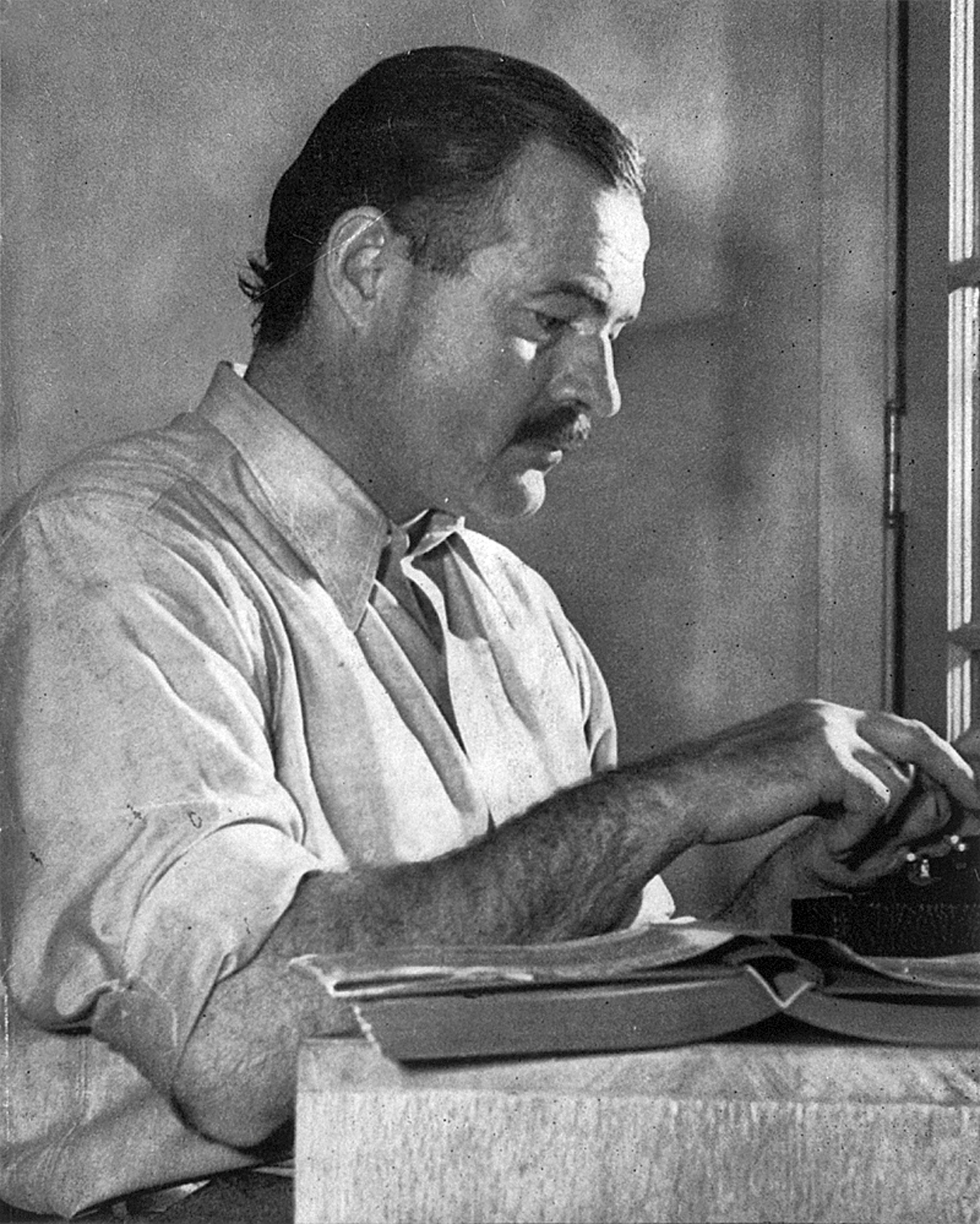
On November 21, 1940, Gellhorn married Ernest Hemingway after their relationship had developed during the Spanish Civil War years. The marriage became one of the most discussed episodes of her life, though Gellhorn herself strongly resisted being defined through it. Their union brought together two internationally known writers with powerful ambitions and equally strong wills, and conflict emerged quickly over independence, travel, and professional rivalry. Historically, the marriage matters less as celebrity biography than as evidence of Gellhorn's refusal to subordinate her work to a husband's career. Her determination to keep reporting, even when it damaged the relationship, became central to her public identity.
Gellhorn published A Stricken Field in 1939, a novel set against the collapse of Czechoslovakia under mounting Nazi pressure. The book showed that her literary ambitions were never secondary to journalism. Drawing on the atmosphere of prewar Europe, it explored political betrayal, moral compromise, and the vulnerability of civilians facing authoritarian expansion. The novel also confirmed that she could translate eyewitness knowledge into fiction without losing urgency or ethical force. Appearing on the eve of the wider European war, it stands as an important milestone in her attempt to make literature answer the same historical realities that drove her reporting.
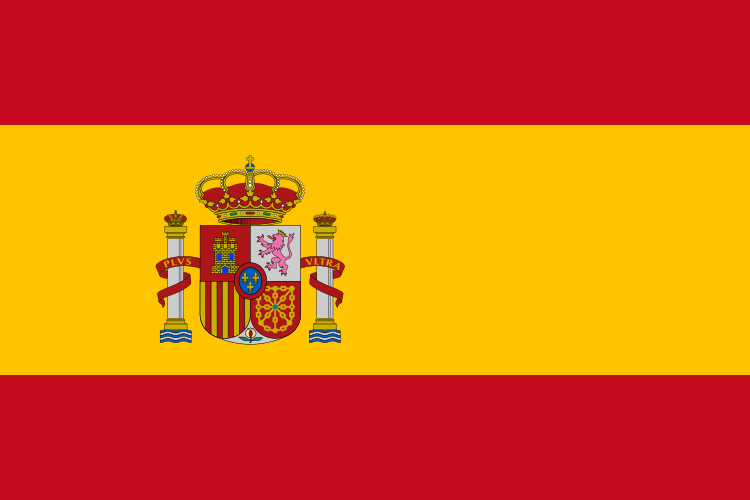
In 1937 Gellhorn accepted her first major war assignment, reporting on the Spanish Civil War for Collier's Weekly. Spain transformed her career and identity: she moved from domestic social reporting into front-line conflict journalism, writing with unusual attention to civilians, bombardment, hunger, and fear. Her work there also brought her into the circle of foreign correspondents and writers covering the anti-fascist struggle. Spain was decisive not only because it made her a war correspondent, but because it fixed the pattern of her later work: skepticism toward military glamour, hostility to authoritarianism, and deep loyalty to people enduring war rather than commanding it.
Gellhorn's book The Trouble I've Seen appeared in 1936, drawing on her Depression-era reporting and transforming official fieldwork into literary social witness. The book helped establish her public reputation as a writer who combined reportage with emotional precision, and it showed her determination to document suffering without sentimentalizing it. By focusing on the American poor during a national crisis, she demonstrated that journalism could serve as moral testimony. The publication also bridged her early domestic reporting and the international conflict coverage that soon made her famous, proving that her attention was always fixed on civilians caught inside systems beyond their control.
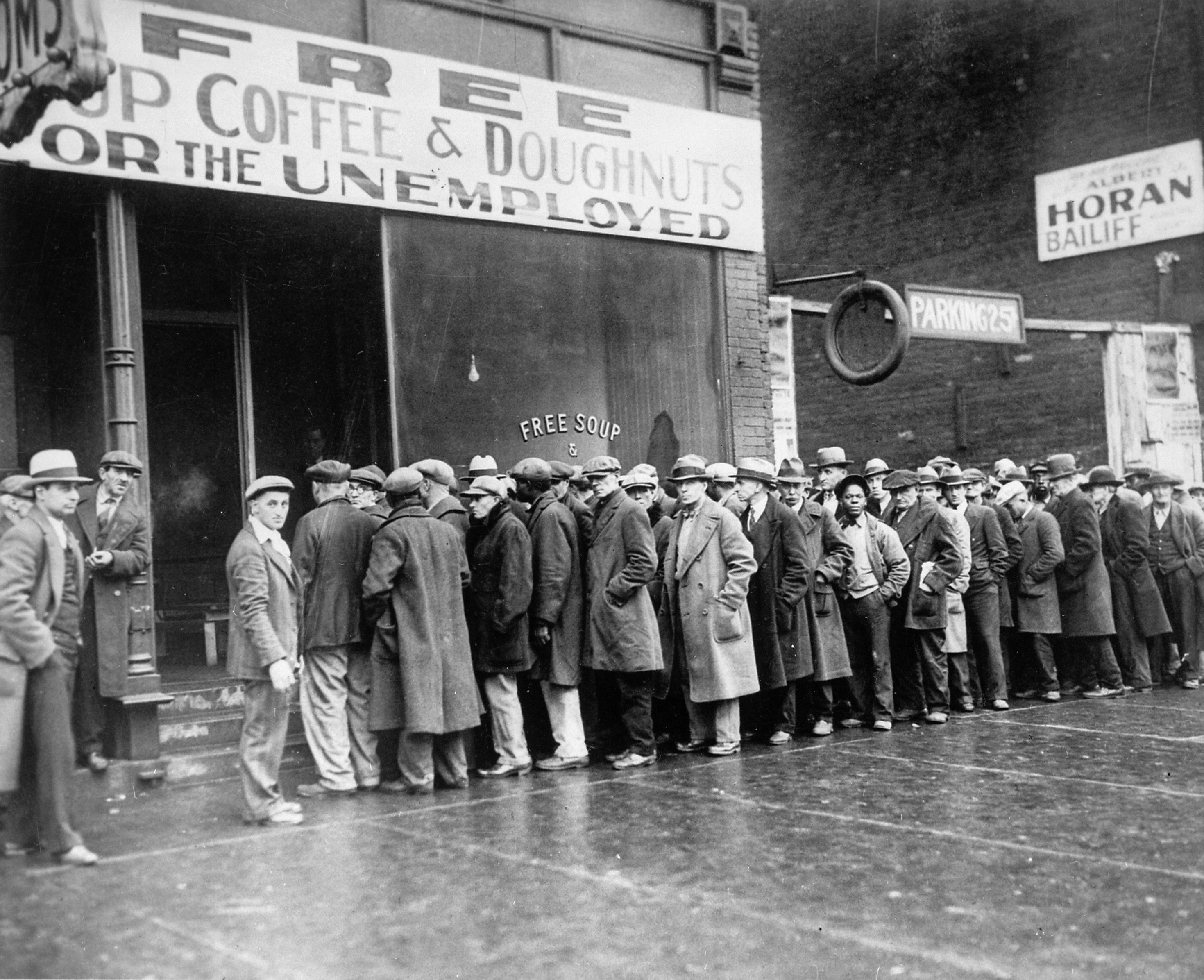
In 1934 Gellhorn joined the Federal Emergency Relief Administration, where she traveled through the United States documenting the effects of the Great Depression on ordinary people. Working under Harry Hopkins's relief apparatus, she visited impoverished communities and recorded unemployment, hunger, and displacement in vivid, humane prose. This experience was crucial to her development as a reporter: it taught her to distrust abstractions and official rhetoric, and to center the lives of those most damaged by economic and political systems. The work also sharpened the social conscience that remained visible in her later war correspondence and nonfiction.
After attending Bryn Mawr College in Pennsylvania, Gellhorn left school in 1927 without graduating and chose writing over a conventional academic path. The decision reflected both impatience with prescribed roles and confidence in her own voice. She soon moved into journalism and foreign correspondence, beginning a career that would mix reporting, travel writing, fiction, and political witness. Leaving college was not a failure but an early assertion of self-direction. It marked the point at which she committed herself to firsthand observation and to making a life outside the expectations typically imposed on women of her generation.
As a child in St. Louis, Gellhorn took part in the famous "Golden Lane" demonstration during the 1916 Democratic National Convention. Organized by suffragists including her mother, the action lined delegates' route with women dressed in white and yellow to dramatize the demand for voting rights. Although she was too young to understand all its political implications, the event became part of her origin story. It connected her directly to organized protest, women's citizenship, and the idea that public spectacle could be used to confront entrenched power without surrendering moral clarity.
Martha Ellis Gellhorn was born on November 8, 1908, in St. Louis, Missouri, into a politically engaged and intellectually ambitious family. Her mother, Edna Fischel Gellhorn, was a prominent suffragist, and her father, George Gellhorn, was a respected physician. That household background mattered: it exposed Martha early to public affairs, reform politics, and the expectation that women could act in the world rather than merely observe it. Those influences helped shape the independent, anti-authoritarian outlook that later defined her journalism, fiction, and war reporting across much of the twentieth century.
Discover commonly asked questions regarding Martha Gellhorn. If there are any questions we may have overlooked, please let us know.
Who was Martha Gellhorn?
What is Martha Gellhorn's legacy?
What are some key works by Martha Gellhorn?
What is Martha Gellhorn's significance in journalism?
Timepaths that crossed paths with Martha Gellhorn