March on Washington
@marchonwashington1963 — 1983
Explore the pivotal events of the March on Washington, highlighting key moments and figures that shaped civil rights history. Discover more!
Frequently asked questions about March on Washington
Discover commonly asked questions regarding March on Washington. If there are any questions we may have overlooked, please let us know.
What was the March on Washington?
What is the legacy of the March on Washington?
What were the key demands of the March on Washington?
Why was the March on Washington significant?
Related Timepaths
People, places and organizations that appear in March on Washington’s events

Civil rights movement
Explore the pivotal events of the Civil Rights Movement. Discover key milestones and figures that shaped the fight for equality.
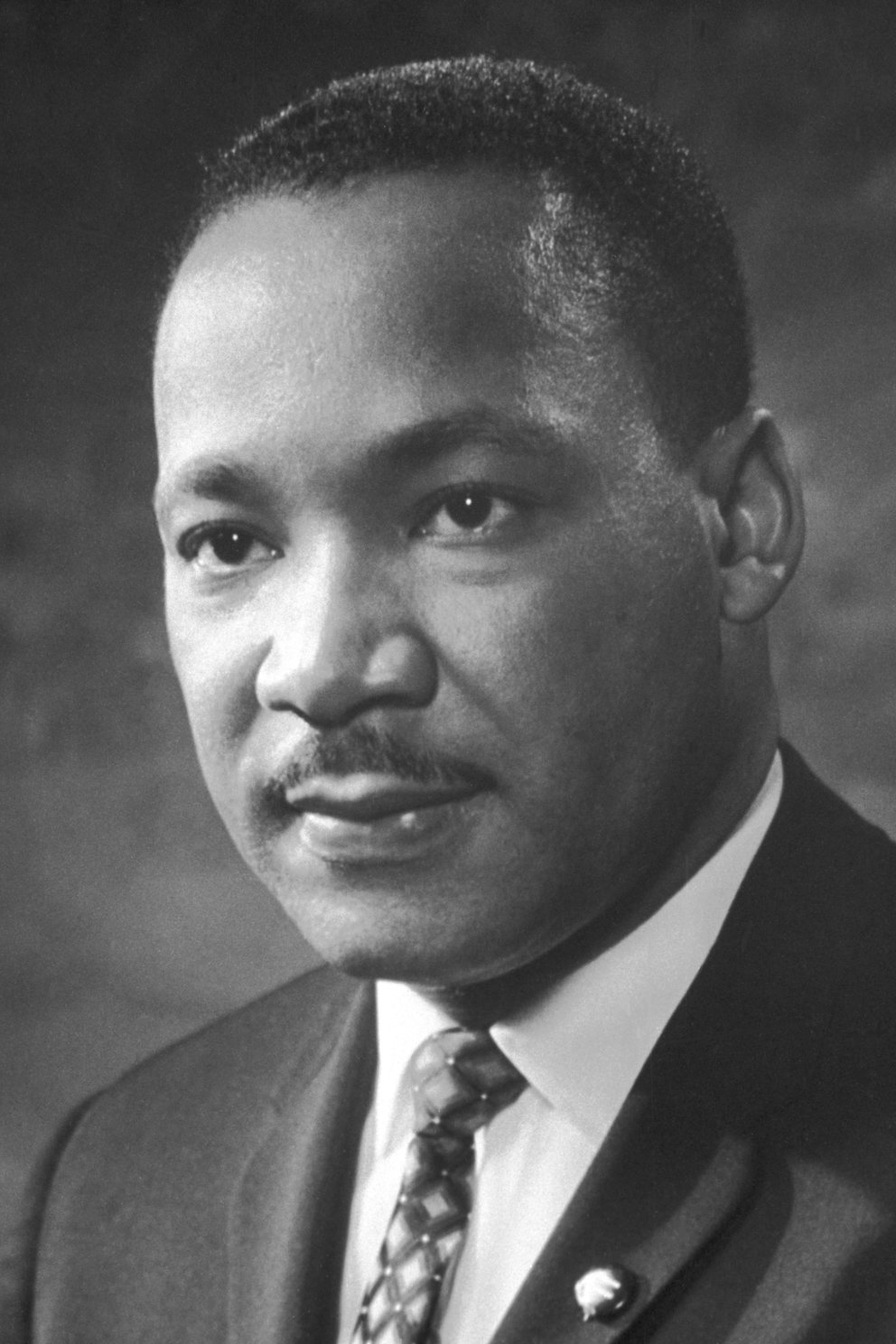
Martin Luther King Jr.
Explore the significant events and milestones in the life of Martin Luther King Jr., the influential civil rights leader. From his birth in Atlanta to his leadership in the American civil rights movement and his enduring legacy, this timeline highlights the key moments that shaped history and inspired millions.

Lincoln
Explore a detailed timeline of Abraham Lincoln's life, highlighting significant events, milestones, and his enduring impact on American history. From his early years, through his presidency during the Civil War, to his legacy as a symbol of freedom and unity, this timeline provides an insightful look into the life of one of America's most revered leaders.

United States
Explore the historical timeline of the United States, covering key events from its founding to the present day. Delve into significant milestones that have shaped the nation, including the American Revolution, Civil War, civil rights movements, and more. Understand the critical moments that have influenced the social, political, and cultural evolution of America.

Washington, D. C.
Explore the rich timeline of Washington, D.C., from its founding in 1790 to its pivotal moments in American history. Discover key events that shaped the nation's capital, including its establishment as the capital of the United States, major political and social developments, and its role in national and global events.
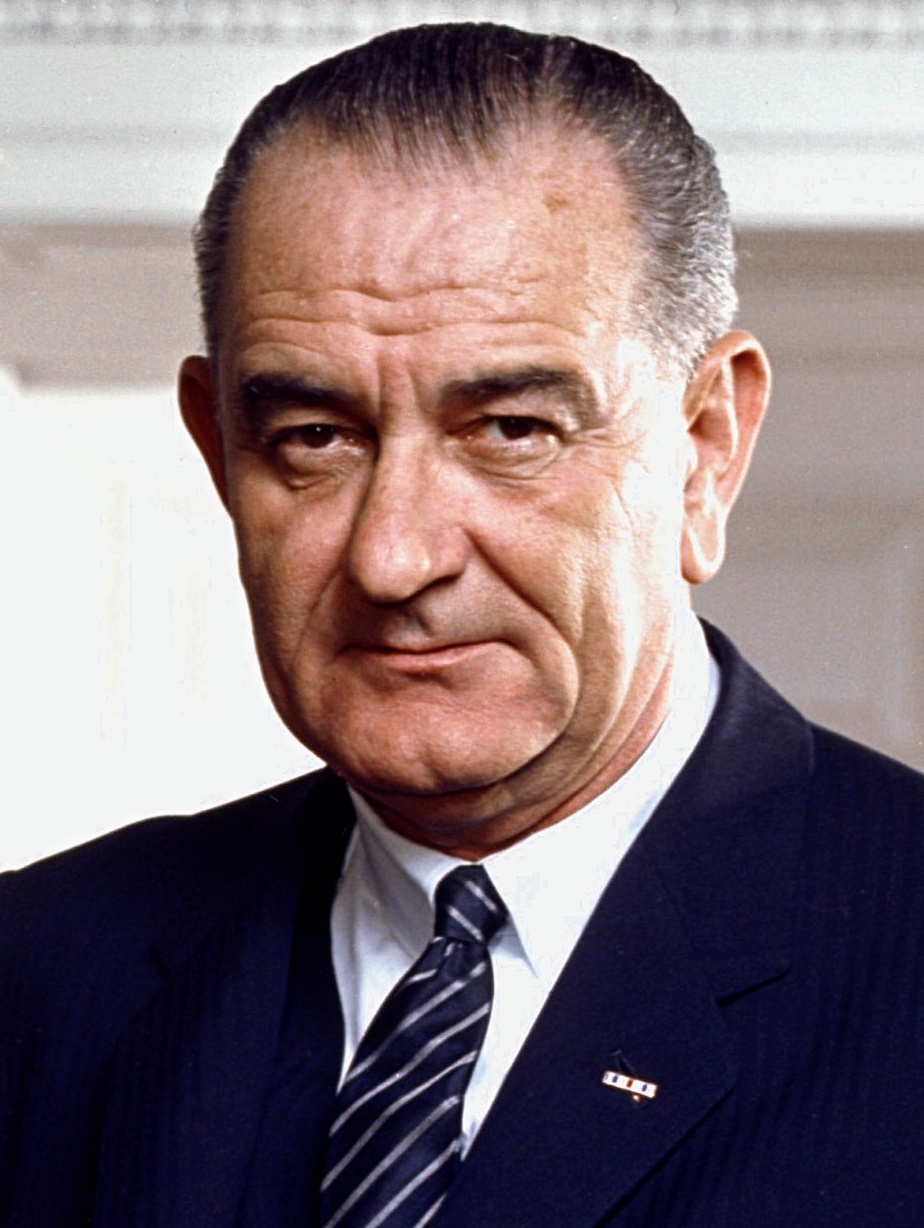
Lyndon B. Johnson
Explore the timeline of Lyndon B. Johnson, the 36th President of the United States, from his birth in 1908 to his presidency and beyond. Discover key events and milestones in his life, including his political career, major legislations like the Civil Rights Act and the Great Society programs, and his influence on American history.

Voting Rights Act of 1965
Explore the key events and milestones of the Voting Rights Act of 1965. Discover its impact on democracy and civil rights in America.
Richmond
Explore the rich history of Richmond through a detailed timeline, highlighting key events, milestones, and developments that have shaped the city from its founding to the present day. Delve into the past to uncover the stories and influences that have contributed to Richmond's unique heritage and vibrant community.

Counterculture of the 1960s
Explore the vibrant timeline of the 1960s counterculture, highlighting key events, movements, and figures that shaped a generation.

Ronald Reagan
Explore the timeline of Ronald Reagan, the 40th President of the United States. From his early life and Hollywood career to his governorship of California and two-term presidency, discover the key events that shaped his legacy.