Manhattan Project
@manhattanproject1938 — 1946
Explore the key events of the Manhattan Project, from inception to the atomic bomb's creation. Discover history's pivotal moments!
Frequently asked questions about Manhattan Project
Discover commonly asked questions regarding Manhattan Project. If there are any questions we may have overlooked, please let us know.
What was the Manhattan Project?
Who were the key figures involved in the Manhattan Project?
What is the legacy of the Manhattan Project?
Why was the Manhattan Project significant?
Related Timepaths
People, places and organizations that appear in Manhattan Project’s events

World War II
Explore the comprehensive timeline of World War II, detailing significant events, battles, and turning points from 1939 to 1945. This overview highlights the global conflict that reshaped world history, covering major military campaigns, allied and axis powers' strategies, and pivotal moments that led to the conclusion of the deadliest war in history.

United States
Explore the historical timeline of the United States, covering key events from its founding to the present day. Delve into significant milestones that have shaped the nation, including the American Revolution, Civil War, civil rights movements, and more. Understand the critical moments that have influenced the social, political, and cultural evolution of America.
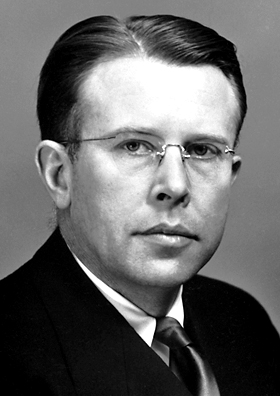
Ernest Lawrence
Explore the comprehensive timeline of Ernest Lawrence, the pioneering American physicist known for inventing the cyclotron. Discover his significant contributions to nuclear science, his achievements in academia, and his influence on the development of medical and industrial technologies throughout the early to mid-20th century.
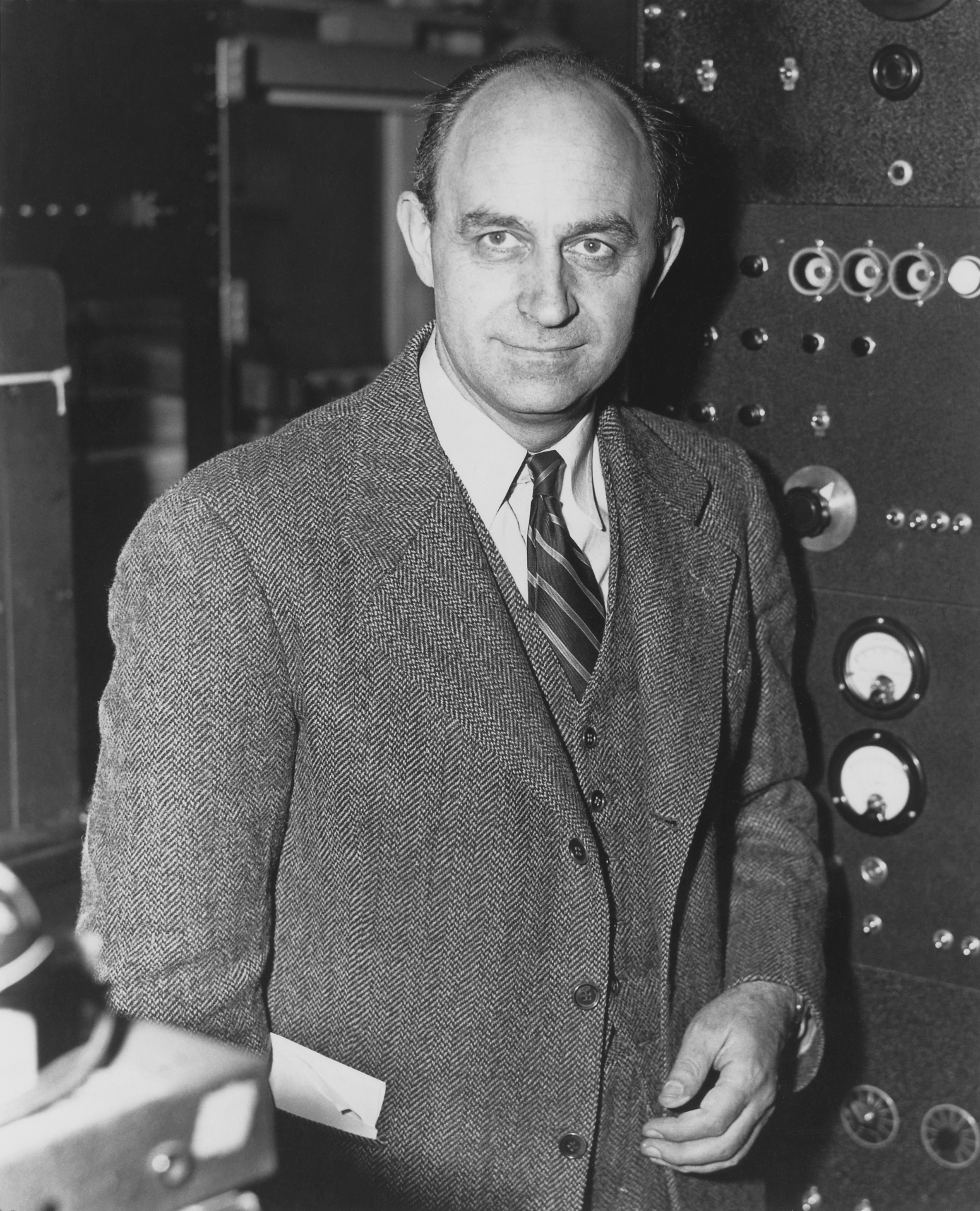
Enrico Fermi
Explore the timeline of Enrico Fermi, the renowned physicist known for his pioneering work in nuclear physics and quantum theory. Discover key milestones in his life, including his contributions to the development of the first nuclear reactor and his groundbreaking research in particle physics.

Joseph Rotblat
Explore the life and achievements of Joseph Rotblat, a physicist who played a pivotal role in advocating for nuclear disarmament. From his early contributions to the Manhattan Project to his later work with the Pugwash Conferences, discover the timeline of events that highlight his dedication to peace and humanity.

Emilio Segrè
Explore the remarkable timeline of Emilio Segrè, an influential physicist who made significant contributions to the fields of nuclear physics and particle physics. From his early life and education in Italy to his groundbreaking work on the Manhattan Project and his discovery of the antiproton, this timeline highlights the key moments and achievements in Segrè's life and career. Learn about his collaborations, awards, and lasting impact on the scientific community.

Arthur Compton
Explore the significant milestones in the life of Arthur Compton, the renowned American physicist. This timeline covers his birth, education, groundbreaking work on X-ray scattering, receipt of the Nobel Prize in Physics, contributions during World War II, and his influential academic and administrative roles. Discover how Compton's pioneering research and leadership shaped the development of modern physics.
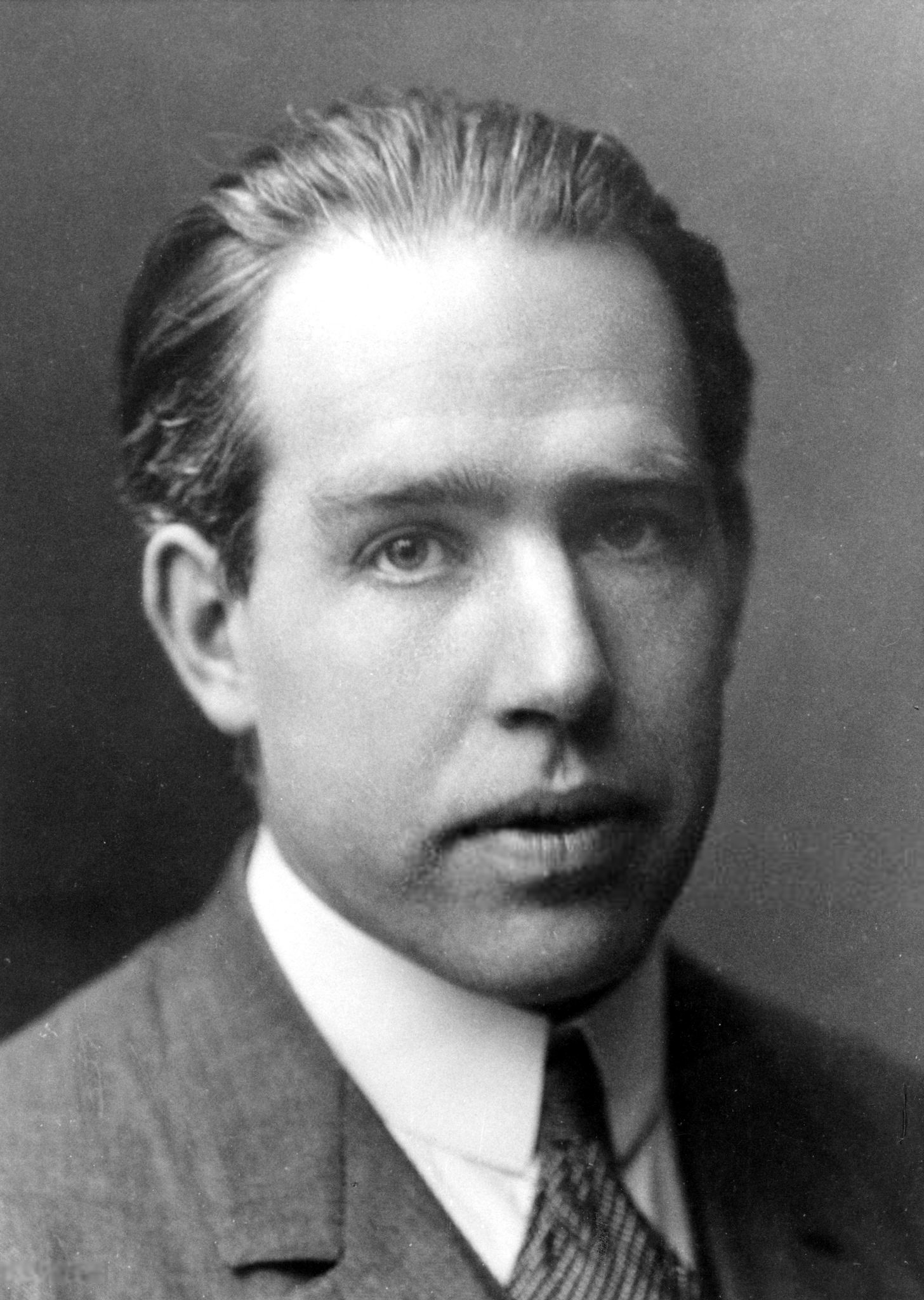
Niels Bohr
Explore the timeline of Niels Bohr, a pioneering physicist known for his foundational contributions to quantum mechanics and atomic theory. This timeline highlights Bohr's major life events, scientific achievements, and enduring impact on physics, including his Nobel Prize in Physics in 1922 and his role in the Manhattan Project.

Luis Alvarez
Explore the timeline of Luis Alvarez, an acclaimed American physicist known for his contributions to particle physics and radar technology. Follow his journey from his education and groundbreaking research to his receipt of the Nobel Prize in Physics. Alvarez's legacy also spans his work on the Manhattan Project and the impact theory of dinosaur extinction.
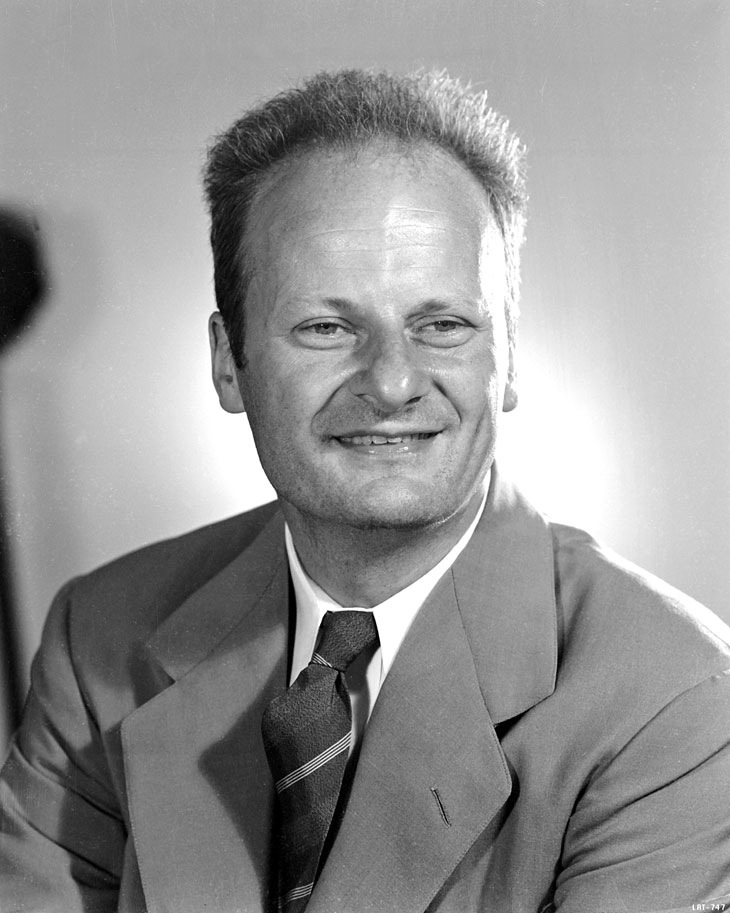
Hans Bethe
Explore the significant milestones in the life of Hans Bethe, a distinguished physicist whose contributions to quantum mechanics and astrophysics were groundbreaking. This timeline covers his early education, pivotal research during World War II, the development of nuclear physics theories, and his influential role in the Manhattan Project, culminating in his receipt of the Nobel Prize in Physics. Discover the journey of one of the 20th century's most influential scientists and his enduring impact on modern physics.