Other · Other

Luddite

@luddite

Explore the Luddite movement's history, key events, and impact on technology and society. Discover the timeline of resistance and change.

16Events
72Years
1770
1775
1780
1785
1790
1795
1800
1805
1810
1815
1820
1825
1830
1835
1840
1845
1850
1855
1772
1773
1774
1776
1777
1778
1779
1781
1782
1783
1784
1786
1787
1788
1789
1791
1792
1793
1794
1796
1797
1798
1799
1801
1802
1803
1804
1806
1807
1808
1809
1811
1812
1813
1814
1816
1817
1818
1819
1821
1822
1823
1824
1826
1827
1828
1829
1831
1832
1833
1834
1836
1837
1838
1839
1841
1842
1843
1844
1846
1847
1848
1849
1851
1852
1853
1854
1856
1857
1858
01januari
1851
01 januari 1851

The word 'Luddite' enters wider cultural vocabulary

By the mid-19th century, the term 'Luddite' had moved beyond its original setting of machine-breaking artisans and entered broader English usage as a label for opposition to technological change. This semantic shift is historically important because it transformed a specific labor movement into a lasting cultural metaphor. In the process, the original complexity of Luddism was often flattened: skilled workers protesting wages, standards, and bargaining power were reimagined simply as enemies of progress. The survival of the term in public discourse became part of the movement's legacy, ensuring that an episode from the Industrial Revolution continued to shape debates about innovation, automation, and social cost long after the original rebels were gone.

01januari
1816
01 januari 1816

Postwar depression sparks final Luddite-style disturbances

A renewed wave of unrest in 1816, after the end of the Napoleonic Wars, revived some Luddite-style protests amid depression, unemployment, and falling demand. Britannica notes that similar rioting returned in this postwar crisis, showing that the grievances behind Luddism had never been purely about machinery. Economic insecurity, wage pressure, and dislocation still haunted textile communities even after the main movement had been repressed. These final disturbances are important because they connect classic Luddism to a broader history of labor protest in industrial Britain. They also underscore that the movement's disappearance owed as much to repression and changing conditions as to any decisive resolution of workers' complaints.

01maart
1813
01 maart 1813

Lancashire and Yorkshire outbreaks rapidly decline under repression

After the York proceedings and the continuing use of troops, spies, arrests, and harsh sentencing, Luddite actions declined sharply during 1813. The movement did not disappear overnight, but its ability to mount coordinated regional attacks was badly damaged. This phase is significant because it marked the transition from open direct action to political memory. Authorities had demonstrated that industrial protest could be fragmented through force and legal spectacle, while workers learned the enormous risks of machine breaking under a hostile state. The decline also made Luddism available as a symbol: a warning to reformers, a cautionary tale for employers, and eventually a shorthand term in political language.

08januari
1813
08 januari 1813

Executions of Yorkshire Luddites symbolize state victory

On 8 January 1813, leading Yorkshire defendants including George Mellor, Thomas Smith, and William Thorpe were executed after conviction in the York trials. Their deaths, along with other executions and sentences of transportation, became the most visible sign of the government's determination to crush Luddism through terror and example. These punishments mattered because they discouraged further organized action and shattered local networks already weakened by surveillance and informers. In historical memory, the executions have stood as a stark measure of how the British state responded to social protest during industrial transformation: not with labor reform, but with spectacular criminal punishment.

02januari
1813
02 januari 1813

Mass trials of accused Luddites open at York

In early January 1813, the government began major prosecutions of alleged Luddites at York following the Rawfolds attack, the Horsfall murder, and related disturbances. More than sixty men were charged in proceedings intended not only to punish offenders but to make an example of them before the wider public. The trials exposed the central role of informers, magistrates, and coordinated intelligence gathering in the anti-Luddite campaign. They also showed how the state converted local industrial conflict into a courtroom drama about order, loyalty, and property. Even where evidence failed and some defendants were acquitted, the process itself was designed to break the movement's organizational backbone.

01juli
1812
01 juli 1812

Government deploys massive troop presence against the Luddites

By the summer of 1812, the British state had committed an enormous military force to suppress Luddite unrest, with roughly 12,000 troops involved according to widely cited historical accounts. This deployment was extraordinary in scale and revealed how seriously ministers regarded labor disturbances during the Napoleonic Wars. The concentration of soldiers, militia, and local authorities across affected counties turned textile districts into heavily monitored spaces. The troop buildup mattered not just because it reduced the Luddites' freedom of movement, but because it showed the early industrial state learning to combine intelligence, military power, and the courts to defend factories, employers, and wartime order.

28april
1812
28 april 1812

Mill owner William Horsfall is assassinated in reprisal

Later on 28 April 1812, Yorkshire manufacturer William Horsfall was ambushed and fatally shot near Crosland Moor after gaining notoriety as a determined enemy of the Luddites. His killing marked a grave escalation from attacks on machinery and buildings to the assassination of a prominent employer. For the authorities, the murder strengthened the argument that Luddism had crossed into insurrectionary violence; for participants, it reflected the bitterness of a conflict in which armed defense, surveillance, and economic desperation had already produced bloodshed. The Horsfall case became central to subsequent investigations, informant testimony, and the prosecutions that crippled the movement in Yorkshire.

28april
1812
28 april 1812

Westhoughton Mill is burned in a Luddite arson attack

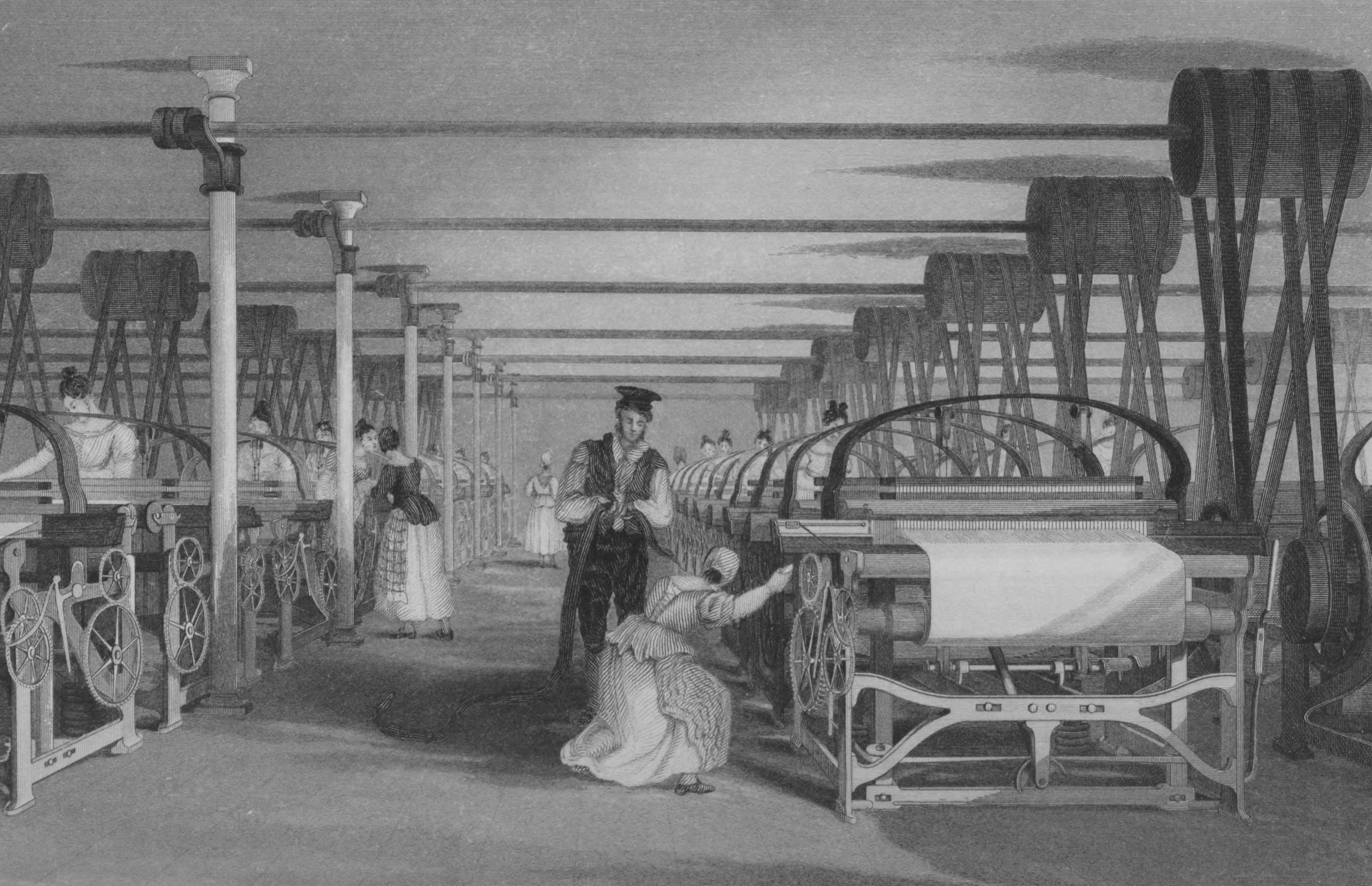
At Westhoughton near Bolton, Luddites and their sympathizers set fire to Rowe and Dunscough's Mill on 28 April 1812, destroying the premises after earlier tensions over power looms and job loss. The burning became one of the best-known Lancashire attacks because it combined machine breaking with full-scale arson and drew a severe judicial response. Westhoughton demonstrated how deeply industrial restructuring had destabilized weaving communities and how quickly protest could expand beyond targeted sabotage into broader anti-factory violence. The incident also helped justify the government's determination to treat Luddite disturbances as organized rebellion requiring exemplary punishment.

20april
1812
20 april 1812

Lancashire Luddites attack Burton's Mill at Middleton

On 20 April 1812, a large Luddite crowd attacked Burton's Mill in Middleton, Lancashire, one of the most dramatic episodes of the Lancashire disturbances. Defenders inside the factory fired on the attackers, causing deaths and injuries before troops arrived. The clash showed that the movement had expanded into the cotton districts, where workers faced unemployment, trade disruption, and fears that power-driven production would destroy established livelihoods. Middleton also illustrated how employers and authorities were learning to defend mills as strategic sites. The episode deepened the cycle of violence and repression and confirmed that Luddism had become a multi-regional crisis rather than a local Nottinghamshire phenomenon.

11april
1812
11 april 1812

Attack on Cartwright's Mill at Rawfolds is repelled

The attempted storming of William Cartwright's mill at Rawfolds near Cleckheaton became one of the defining confrontations of Luddism. Armed defenders inside the mill repulsed the attackers, and several Luddites were killed or wounded. The failed assault was important for several reasons: it exposed the increasing militarization of industrial conflict, it emboldened manufacturers to fortify premises, and it gave authorities evidence to pursue a much broader crackdown in Yorkshire. In later memory, Rawfolds stood as the moment when direct action against fortified mills reached its limits and the state began to turn the movement's setbacks into criminal prosecutions.

20maart
1812
20 maart 1812

Frame-Breaking Act makes machine breaking a capital crime

On 20 March 1812, the British government turned machine breaking into a capital felony through the Destruction of Stocking Frames, etc. Act 1812, often called the Frame-Breaking Act. The law represented a decisive shift from local policing to national emergency legislation. By threatening death for attacks on industrial equipment, ministers signaled that they viewed Luddism as a serious challenge to public order and wartime stability. The act became one of the clearest examples of the state siding with property and industrial discipline during the early Industrial Revolution, and it paved the way for the harsh prosecutions and exemplary punishments that followed.

15maart
1812
15 maart 1812

Attack on Frank Vickerman's factory signals escalation in Yorkshire

On 15 March 1812, Luddites attacked the wool-processing factory of Frank Vickerman in the West Riding of Yorkshire. The assault showed that the movement had spread beyond the framework-knitting districts of Nottinghamshire into woolen manufacturing areas with their own grievances over mechanization, discipline, and wages. This was a key escalation because it demonstrated regional adaptability: Luddites were not protesting one machine alone, but broader changes in industrial production. The attack also intensified official fears that the disturbances were becoming coordinated across counties, encouraging magistrates and the central government to deploy more troops and informers.

27februari
1812
27 februari 1812

Lord Byron denounces anti-Luddite repression in the House of Lords

As Parliament prepared harsher penalties for machine breaking, Lord Byron delivered his maiden speech in the House of Lords in defense of the distressed workers of Nottinghamshire. He did not endorse violence, but he sharply criticized lawmakers for answering poverty and dislocation with executions instead of relief and reform. The speech became one of the most famous elite interventions on behalf of the Luddites and showed that the controversy had moved from local workshops into national politics. Byron's remarks also preserved an influential interpretation of Luddism as a social and economic protest rather than mere criminality.

01november
1811
01 november 1811

Luddite movement spreads across Nottinghamshire

By the end of 1811, Luddite activity had become an organized regional movement in the Nottingham area rather than a single riot. Bands of masked men carried out nighttime raids on frames used by manufacturers accused of depressing wages and violating accepted trade customs. The spread of these attacks demonstrated that the conflict was not simply irrational hostility to machinery; it was rooted in labor standards, economic distress, and anger at the changing structure of production during the Napoleonic Wars. This consolidation phase gave the movement coherence, widened local sympathy, and alarmed officials enough to prepare stronger military and legal responses.

11maart
1811
11 maart 1811

First major Luddite frame-breaking erupts at Arnold

The first widely recognized Luddite outbreak took place at Arnold in Nottinghamshire, where framework knitters attacked and smashed large numbers of stocking frames. The disturbance emerged from worsening conditions in the hosiery trade: falling wages, inferior work arrangements, and intense pressure from manufacturers who used new machinery and cheaper labor to undercut customary standards. This attack mattered because it transformed scattered resentment into a coordinated protest movement. News of the Arnold breakings circulated rapidly, helping define both the tactics and grievances of Luddism and marking the beginning of a campaign that soon spread across the English Midlands and North.

01januari
1779
01 januari 1779

Legend of Ned Ludd enters protest folklore

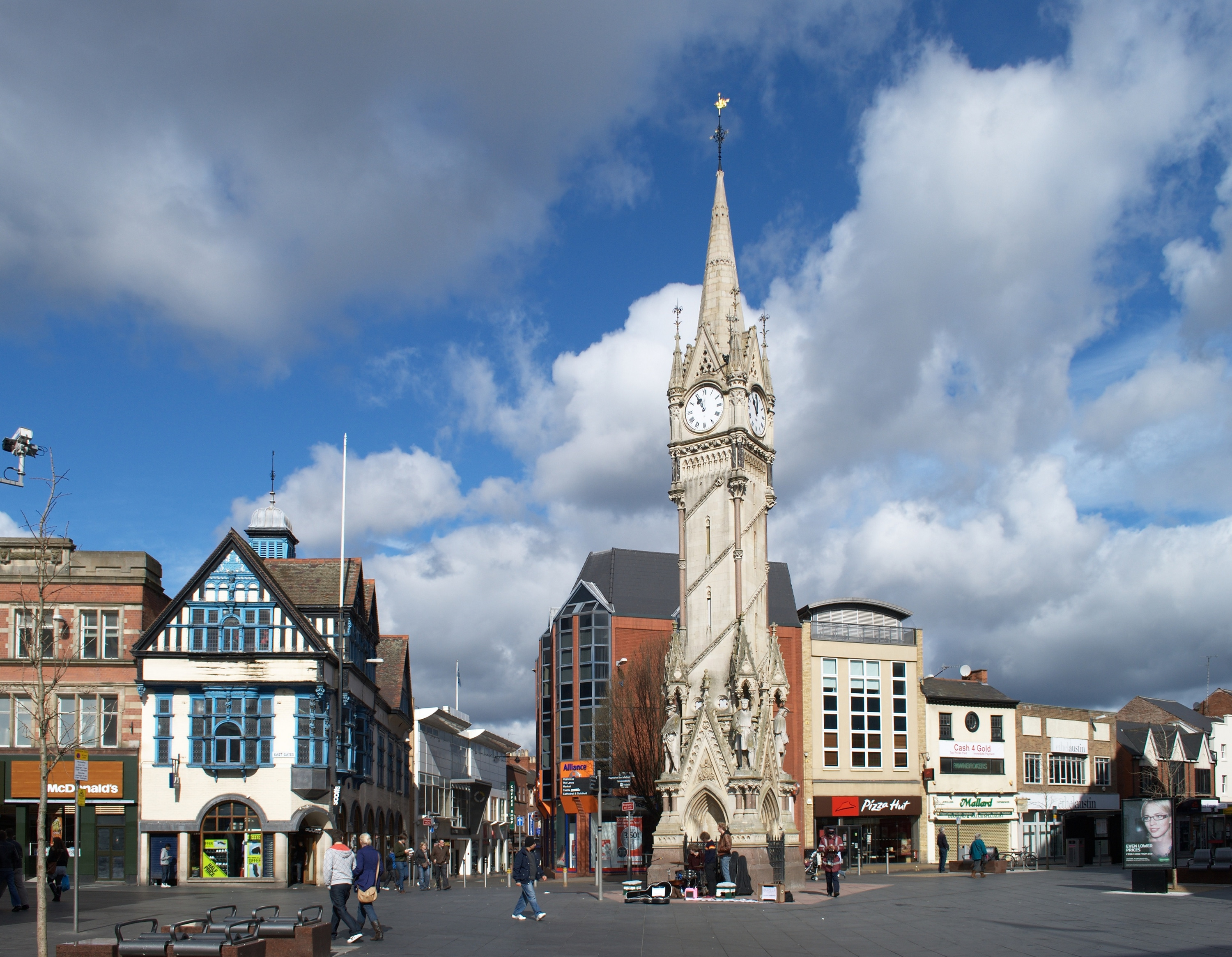
Long before the organized outbreaks of the 1810s, English popular memory attached machine breaking to the semi-legendary figure Ned Ludd. According to later accounts, a youth from Anstey near Leicester smashed two stocking frames in 1779 after anger or humiliation. Historians treat the episode as folklore rather than a securely documented event, but it became politically important because workers in the next generation adopted 'King Ludd' or 'General Ludd' as a symbolic leader. That myth gave scattered acts of resistance a common identity, a language of solidarity, and a memorable name that endured far beyond the original disturbances.

Frequently asked questions about Luddite

Discover commonly asked questions regarding Luddite. If there are any questions we may have overlooked, please let us know.

What is the legacy of the Luddites in modern society?

What was the historical context of the Luddite movement?

What does the term 'Luddite' mean?

What is the significance of the Luddite movement in history?