Leon Trotsky
@leontrotsky1879 — 1940
Explore the key events in Leon Trotsky's life, from his revolutionary role to his exile. Discover his impact on history with our detailed timeline.
Frequently asked questions about Leon Trotsky
Discover commonly asked questions regarding Leon Trotsky. If there are any questions we may have overlooked, please let us know.
What were Trotsky's contributions to Marxist theory?
What is Trotsky's legacy today?
Why was Trotsky exiled from the Soviet Union?
Who was Leon Trotsky?
Related Timepaths
People, places and organizations that appear in Leon Trotsky’s events
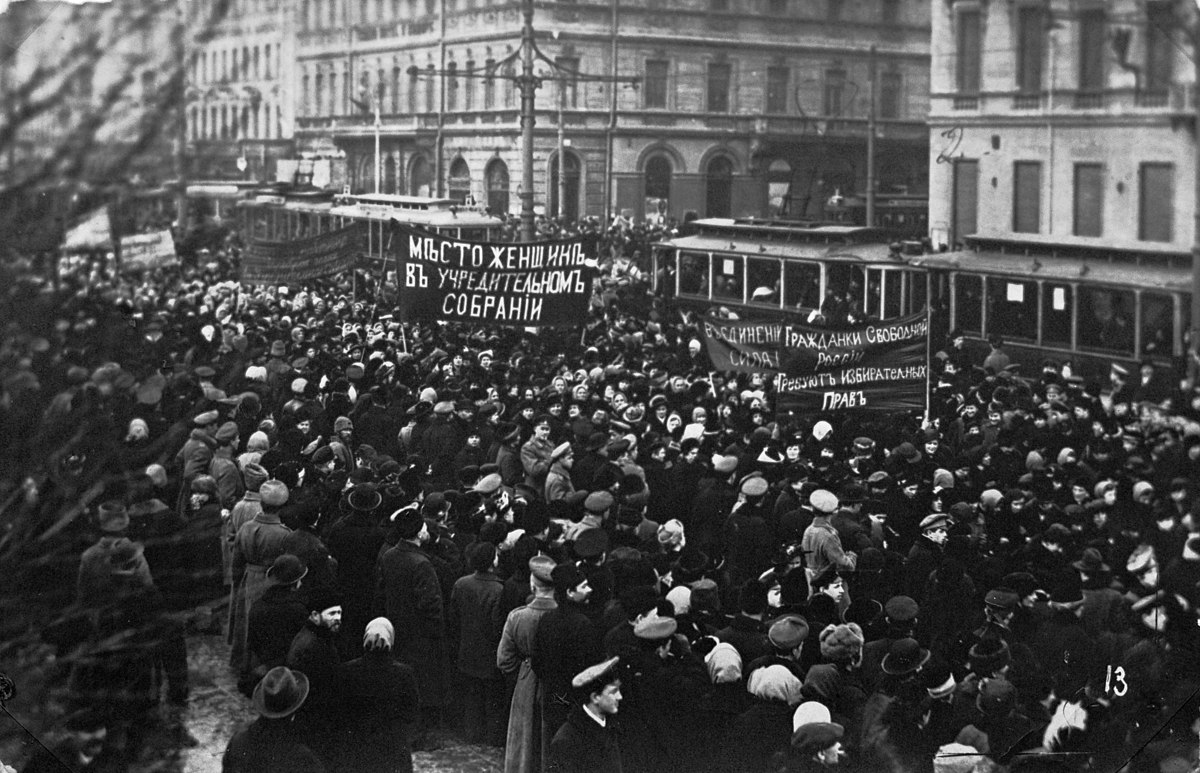
Russian Revolution
Explore the key events and milestones of the Russian Revolution from the fall of the Russian Empire to the rise of the Soviet Union. This timeline covers significant occurrences from 1917 to 1923, detailing the February and October Revolutions, the Russian Civil War, and the establishment of Soviet rule, providing a comprehensive overview of this pivotal period in Russian and world history.

Soviet Union
Explore the pivotal moments in Soviet Union history through our detailed timeline. Discover events that shaped a superpower's rise and fall.

Ukraine
Explore the detailed timeline of Ukraine's history, highlighting significant events from its early origins to the present day. Understand the cultural, political, and social developments that have shaped the nation.

London
Explore the rich history of London with our comprehensive timeline, detailing key events and milestones that have shaped this iconic city from its Roman founding to the present day. Discover how London grew from a small settlement into a bustling metropolis, influencing culture, politics, and society around the world.

October Revolution
Explore the key events of the October Revolution through our detailed timeline. Discover the pivotal moments that shaped history!

Russia
Explore the timeline of Russia, detailing significant historical events and transformations that have shaped the nation from its early beginnings in the Kievan Rus, through the Tsardom of Russia, the rise and fall of the Soviet Union, to the modern Russian Federation. This comprehensive timeline highlights pivotal moments in politics, culture, and society, offering insights into Russia's rich and complex history.

Turkey
Explore the rich and complex history of Turkey, from its ancient roots in Anatolia to the modern Republic. This timeline highlights the significant events that shaped Turkey's cultural, political, and social landscape, including the rise and fall of empires, independence, and its pivotal role in global affairs.