Explore the remarkable timeline of Lata Mangeshkar's life, her iconic songs, and contributions to Indian music. Discover her legacy!
Lata Mangeshkar died in Mumbai on 6 February 2022 at the age of ninety-two after a period of hospitalization. Her death prompted nationwide mourning because it felt, for many listeners, like the passing of an era rather than only the loss of an individual singer. Obituaries emphasized the breadth of her repertoire, the longevity of her career, and the way her voice had become embedded in everyday memory through film songs, patriotic music, devotional recordings, and regional repertoires. The event closed one of the longest and most influential careers in the history of recorded popular music.
Later on 6 February 2022, Lata Mangeshkar was cremated with full state honors at Shivaji Park in Mumbai. The funeral drew political leaders, film figures, musicians, athletes, and large crowds of ordinary admirers, demonstrating the extraordinary breadth of her public significance. State honors at her final rites formally recognized what had long been evident in popular culture: she was regarded not merely as a successful artist but as a national institution. The funeral therefore functioned as both a personal farewell and a public ceremony marking the end of a defining voice of twentieth-century and early twenty-first-century India.
In 2007, Mangeshkar was appointed an Officer of the Legion of Honour by France, one of the country’s most prestigious distinctions. This international recognition was significant because it showed that her stature was not only a matter of Indian cultural nationalism or film nostalgia. Foreign honors of this kind reflect diplomatic and artistic acknowledgment that a performer has achieved broad civilizational importance. For Mangeshkar, the award highlighted the cross-border appeal of Indian music and the symbolic role she played in representing the subcontinent’s artistic traditions to global audiences.
In 2001, Lata Mangeshkar received the Bharat Ratna, India’s highest civilian honor. This was the clearest official acknowledgment that her work had transcended cinema and entered the realm of national heritage. By the time of the award, her voice had accompanied major shifts in Indian public life, from the early decades after independence to the liberalizing era of the late twentieth century. The Bharat Ratna placed her among the country’s most revered figures in public memory and recognized a career whose emotional reach cut across language, region, religion, and generation.
On 22 November 1999, Lata Mangeshkar began her term in the Rajya Sabha, the upper house of India’s Parliament, as a nominated member representing the arts. The appointment showed how completely she had moved from entertainment celebrity into the realm of national cultural authority. Her parliamentary tenure later drew criticism because of her limited attendance, but the nomination itself remains significant as evidence of the esteem she commanded in public life. It underscored a broader pattern in modern India: major artists can become symbolic representatives of the nation’s cultural conscience.
In 1989, Mangeshkar received the Dadasaheb Phalke Award, India’s highest honor in cinema. By then she had already sung for generations of actresses and worked with many of the most important composers in Indian film history. The award recognized not a single song or season of popularity, but a body of work that had helped define the sound of post-independence Indian cinema. It confirmed her status as a foundational figure in film culture, on par with the great directors, actors, and producers whose legacies shape the history of the medium.
In 1974, Mangeshkar performed at London’s Royal Albert Hall, becoming the first Indian playback singer to appear at the prestigious venue. The concert symbolized the international reach of Indian film music at a time when diaspora audiences were helping carry Hindi cinema abroad. It also demonstrated that a singer primarily associated with recorded playback could command a major live stage in one of the world’s most famous concert halls. This milestone broadened the perception of her career from domestic star to global cultural ambassador and reflected the growing worldwide circulation of Indian popular music.
In 1974, Guinness World Records listed Lata Mangeshkar as the most recorded artist in history, crediting her with an extraordinary volume of songs across multiple Indian languages. Although later discussions debated exact totals, the listing captured something undeniably true about her career: she had become an almost ubiquitous presence in South Asian recorded music. The milestone reflected the scale of India’s film-song culture and the unusual durability of her voice across decades, composers, and regional industries. It also contributed to the global mythology surrounding her productivity and influence.
In 1969, the Government of India awarded Lata Mangeshkar the Padma Bhushan, one of the country’s highest civilian honors. The recognition came at a moment when she had already dominated film music for two decades, but it also confirmed that her importance extended beyond commercial cinema. State recognition of this level acknowledged the artistic seriousness of playback singing and affirmed her role in shaping modern Indian cultural identity. The award also helped institutionalize her stature, placing her in the national canon rather than leaving her reputation solely to the changing tastes of the entertainment industry.
On 26 January 1963, shortly after the Sino-Indian War, Mangeshkar gave the first live performance of 'Aye Mere Watan Ke Logo' at the National Stadium in New Delhi. The patriotic song quickly entered public memory as one of the most powerful musical responses to national grief and sacrifice. Contemporary accounts and later retellings emphasized that Prime Minister Jawaharlal Nehru was deeply moved by the performance. The event elevated Mangeshkar beyond cinema fame and into a rare civic role: she became a voice identified not only with film heroines but with national sentiment itself.
By 1959, Lata Mangeshkar had become one of the most honored voices in Indian cinema, and her early Filmfare recognition signaled that playback singing had become a celebrated art in its own right. Her awards during this period reflected more than popularity; they marked the institutional acceptance of singers as central creative contributors to film success. Mangeshkar’s rise in the 1950s changed both musical style and professional standards, influencing composers, lyricists, and producers across the Hindi film industry. Her precision in pronunciation and melodic control became a benchmark against which later generations were measured.
Lata Mangeshkar’s national breakthrough came with the release of the song 'Aayega Aanewala' from the film Mahal in October 1949. The haunting composition became a sensation and is widely regarded as the performance that lifted her from a promising newcomer to a major force in Hindi cinema. Its success also helped establish a new ideal of the female playback voice: high, supple, emotionally nuanced, and closely integrated with screen performance. The song’s fame reshaped industry expectations and opened the long period in which Mangeshkar’s voice became inseparable from the image of the Hindi film heroine.
In 1942, when she was still only thirteen, the death of her father abruptly changed the course of Lata Mangeshkar’s life. The family’s financial position became precarious, and she began working to support her mother and siblings. This transition from gifted child to wage-earning performer is one of the defining turning points of her biography. It pushed her into film and music work at an unusually young age and gave her career a seriousness and discipline that remained visible for decades. The pressures of 1942 also tied her rise to the broader history of India’s studio era, when singers, actors, and composers often moved between theatre and cinema under economic necessity.
At age thirteen, Mangeshkar recorded her first song for Vasant Joglekar’s Marathi film Kiti Hasaal in 1942. Although the song was ultimately dropped from the final cut, the session remains historically important because it marked her formal entry into recorded film music. Many later legends have a first commercial success; Mangeshkar’s case is different because even her discarded early work became part of the story of her persistence. The event illustrates how the Indian film industry of the 1940s worked through auditions, studio patronage, and gradual recognition rather than overnight stardom.
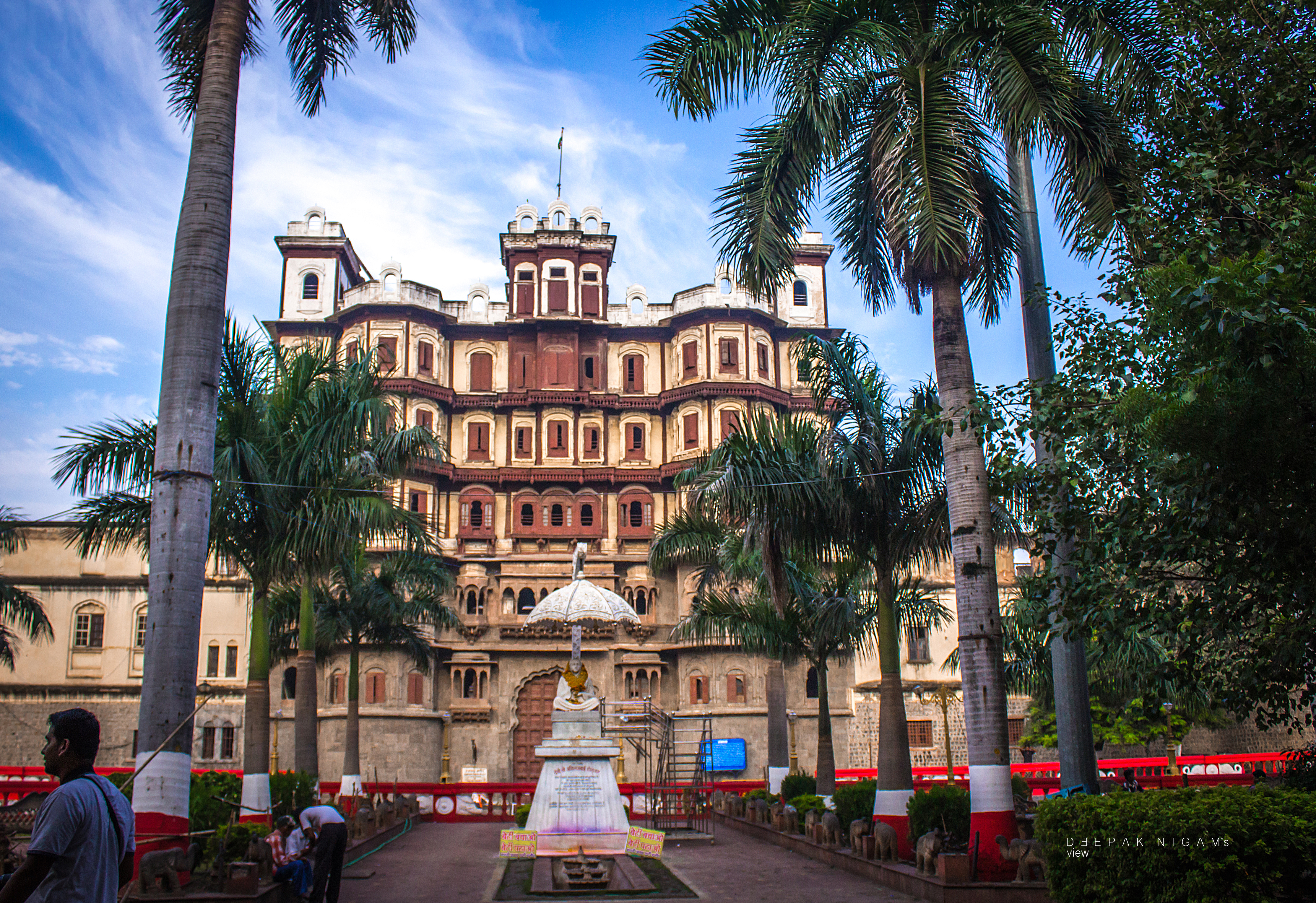
Lata Mangeshkar was born on 28 September 1929 in Indore, then in the princely state of Indore, into a family deeply rooted in music and theatre. Her father, Pandit Deenanath Mangeshkar, was a respected classical singer and stage actor, and the household environment exposed her to performance from earliest childhood. This foundation mattered enormously: her later command of pitch, diction, and emotional expression grew out of a childhood shaped by rigorous musical culture rather than by the film industry alone. Her birth in central India marked the beginning of a life that would eventually transform playback singing across South Asia.
Discover commonly asked questions regarding Lata Mangeshkar. If there are any questions we may have overlooked, please let us know.
Who was Lata Mangeshkar?
What are some notable achievements of Lata Mangeshkar?
What is Lata Mangeshkar's legacy?
What is Lata Mangeshkar's impact on Indian music?