Explore the inspiring timeline of Kalpana Chawla, from her early life to her groundbreaking space missions. Discover her legacy today!
On May 12, 2004, NASA Ames Research Center dedicated the 'Kalpana' supercomputer in her honor. This machine, the world’s first single‑system image Linux supercomputer, was named to celebrate Chawla’s legacy and her contributions to aerospace engineering and NASA research.
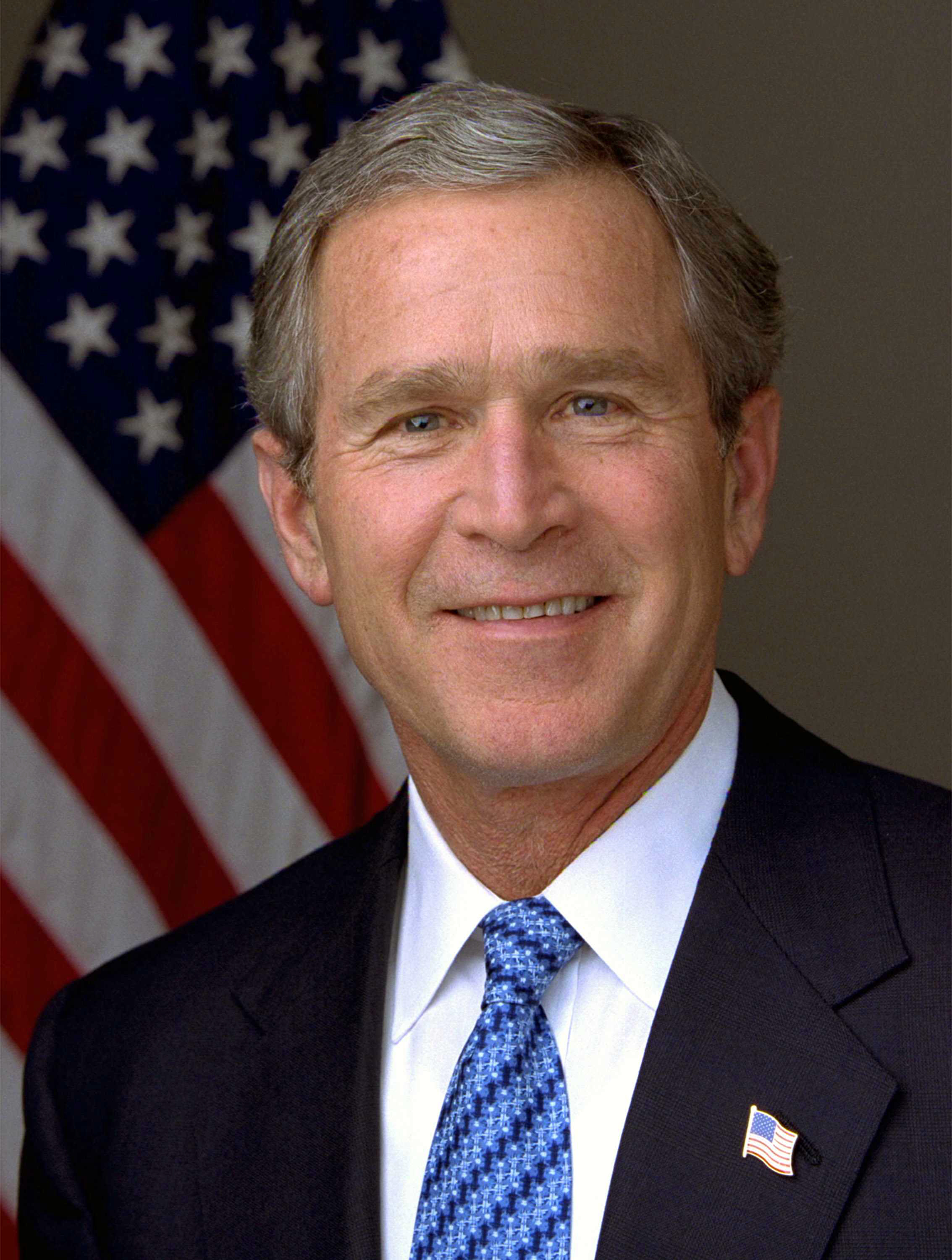
On February 4, 2004, President George W. Bush posthumously awarded Kalpana Chawla the Congressional Space Medal of Honor, recognizing her bravery and contributions to space exploration. She also received NASA’s Distinguished Service and Space Flight Medals in her memory, cementing her status as a national hero.
On February 1, 2003, during re‑entry over Texas and Louisiana, the Space Shuttle Columbia disintegrated due to damage sustained at launch by foam striking its wing. Kalpana Chawla and six crewmates perished in the tragedy. The disaster marked a somber end to her pioneering career and prompted widespread reflection on NASA safety procedures.
Kalpana Chawla embarked on her second mission, STS‑107 aboard Columbia, launching January 16, 2003. The flight was dedicated to microgravity and Earth science research, carrying over 80 experiments. Chawla was once again mission specialist contributing to this intensive 16‑day research mission.
On November 19, 1997, Chawla flew her first space mission aboard Space Shuttle Columbia on STS‑87. As mission specialist and robotic arm operator, she became the first woman of Indian origin in space. The mission involved microgravity experiments and the deployment—but not successful performance—of the SPARTAN satellite, which she attempted to capture with the robotic arm.
In December 1994, Kalpana Chawla was selected by NASA as an astronaut candidate as part of NASA Astronaut Group 15. She reported to Johnson Space Center in March 1995 for training and was later assigned to the EVA and robotics branch, preparing her for spaceflight roles such as robotic arm operations.
In 1993, Chawla joined Overset Methods Inc., a nonprofit research firm in Los Altos, California, as both research scientist and vice president. She led efforts in simulating multiple moving body problems and aerodynamic optimization—further advancing her computational fluid dynamics credentials.
In 1988, Chawla began her career at NASA’s Ames Research Center working on computational fluid dynamics projects, particularly on vertical/short‑takeoff‑and‑landing (V/STOL) aircraft concepts. Her expertise in these aerodynamics simulations laid key groundwork for her eventual path to becoming an astronaut.
Kalpana Chawla achieved a PhD in aerospace engineering from the University of Colorado Boulder in 1988, with a dissertation on computation of dynamics and control of unsteady vortical flows. During this period she also earned her pilot’s licenses, becoming a certified flight instructor—experiences that enhanced her candidacy for astronaut selection.
In 1984, Chawla earned her Master of Science in aerospace engineering from the University of Texas at Arlington. Her thesis focused on optimizing cross‑flow fan housing for aircraft wing installation, solidifying her technical foundation and launching her international academic trajectory.
On December 2, 1983, Kalpana Chawla married Jean‑Pierre Harrison, a pilot she met during her time at the University of Texas at Arlington. Their shared passion for aviation fostered a strong partnership in both personal and professional spheres.
Kalpana Chawla graduated in 1982 with a Bachelor of Engineering in aeronautical engineering from Punjab Engineering College, Chandigarh, becoming the first female student in the college to study aerospace engineering. Despite discouragement from professors and social norms, her determination carried her through this important academic and gender barrier milestone.
In 1976, Kalpana Chawla graduated near the top of her class from Tagore Baal Niketan Senior Secondary School in Karnal. Her academic excellence and drive were already evident, setting the stage for her pioneering path in aerospace engineering at a time when such ambitions were rare for Indian women.
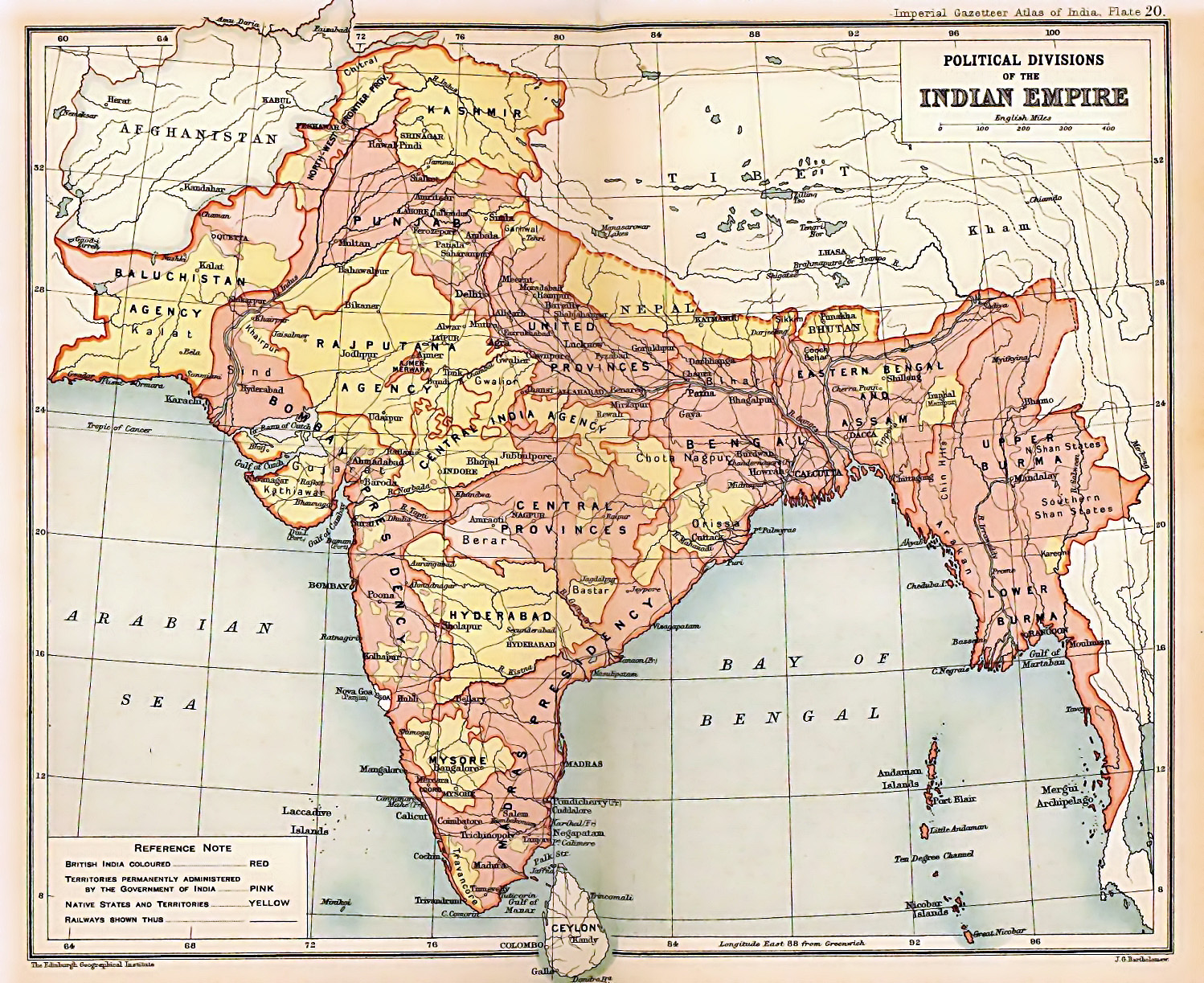
Kalpana Chawla was born on March 17, 1962, in Karnal, Haryana, India, into a Punjabi Hindu family originally from Gujranwala (now in Pakistan) who migrated during the Partition of India. Her father owned a tire manufacturing plant, and her early fascination with flight began here despite societal expectations. Karnal provided the backdrop for her formative years, nurturing an early interest in aerospace engineering that would shape her future.
Discover commonly asked questions regarding Kalpana Chawla. If there are any questions we may have overlooked, please let us know.
How did Kalpana Chawla die?
What were Kalpana Chawla's contributions to space exploration?
What is the significance of Kalpana Chawla's legacy?
Who was Kalpana Chawla?