Person · Other

Joan of Arc

@joanofarc

Explore the pivotal moments in Joan of Arc's life, from her visions to her legacy. Discover the timeline of this iconic figure today!

Born January 6, 1412
Known as Military Leader
Domrémy, France
16Events
508Years
1360
1370
1380
1390
1400
1410
1420
1430
1440
1450
1460
1470
1480
1490
1500
1510
1520
1530
1540
1550
1560
1570
1580
1590
1600
1610
1620
1630
1640
1650
1660
1670
1680
1690
1700
1710
1720
1730
1740
1750
1760
1770
1780
1790
1800
1810
1820
1830
1840
1850
1860
1870
1880
1890
1900
1910
1920
1930
1940
1950
1960
1970
1362
1372
1382
1392
1402
1412
1422
1432
1442
1452
1462
1472
1482
1492
1502
1512
1522
1532
1542
1552
1562
1572
1582
1592
1602
1612
1622
1632
1642
1652
1662
1672
1682
1692
1702
1712
1722
1732
1742
1752
1762
1772
1782
1792
1802
1812
1822
1832
1842
1852
1862
1872
1882
1892
1902
1912
1922
1932
1942
1952
1962
16mei
1920
16 mei 1920

Canonization as Saint Joan of Arc

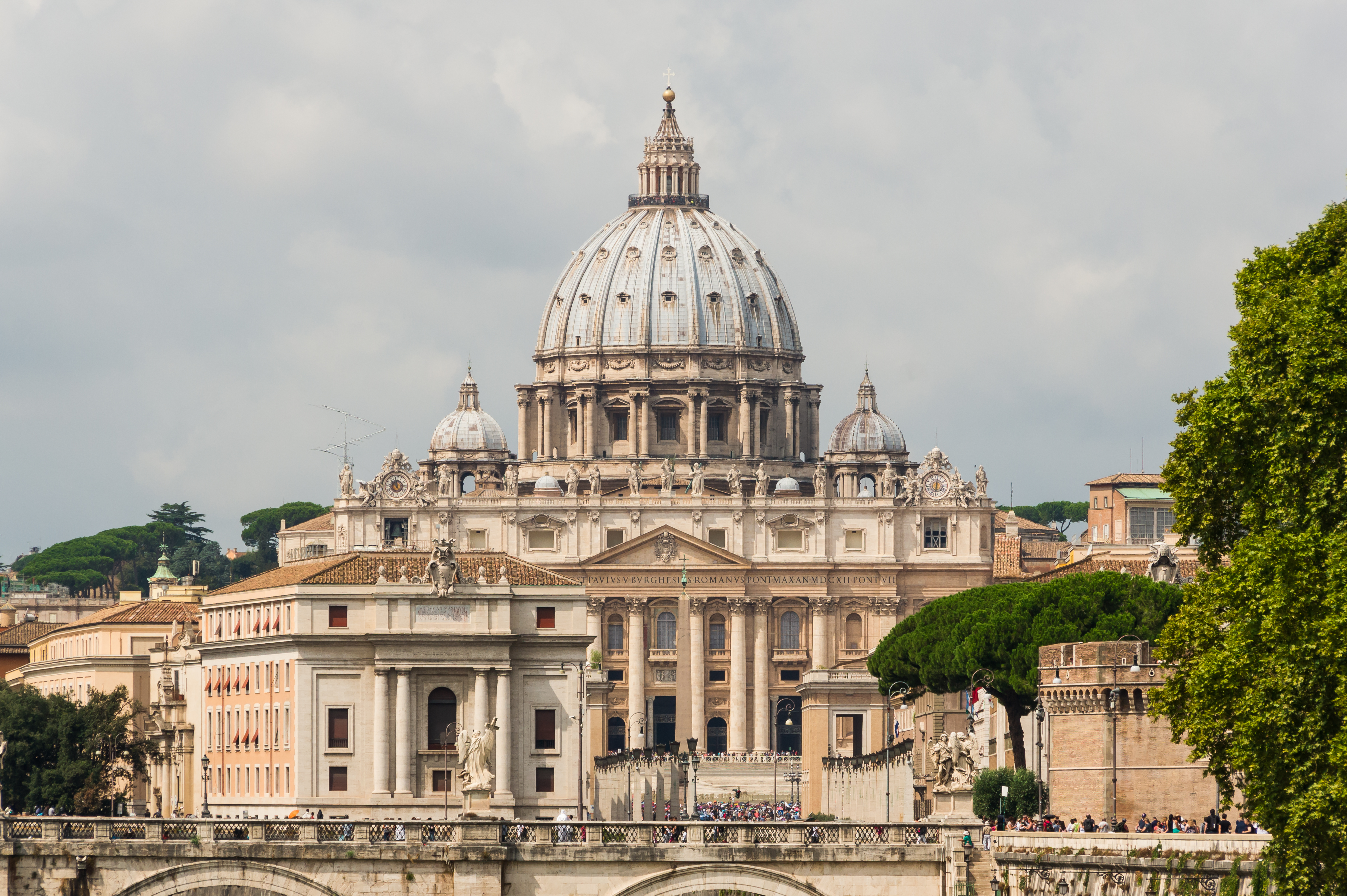
Joan of Arc was canonized on 16 May 1920 by Pope Benedict XV at St. Peter’s Basilica. Canonization completed the long historical reversal by which a woman executed as a heretic in 1431 was declared a saint by the church nearly five centuries later. The act recognized her holiness in Catholic tradition while also strengthening her place in modern French national memory after the trauma of the First World War. Her story now carried multiple layers at once: peasant girl, military leader, political symbol, martyr, and saint. The canonization ensured that Joan’s legacy would remain not only historical but liturgical, commemorative, and global.

18april
1909
18 april 1909

Beatification by the Catholic Church

On 18 April 1909 Joan of Arc was beatified by the Catholic Church, a major step on the road to sainthood. Her elevation reflected centuries of devotion as well as the modern revival of interest in her as a symbol of faith, sacrifice, and French identity. By the late nineteenth and early twentieth centuries, Joan had become a figure claimed across ideological lines: monarchists, republicans, Catholics, and patriots all found meaning in her story. Beatification gave formal ecclesiastical recognition to that veneration and placed her more firmly within the universal history of the church. It also demonstrated how a medieval political prisoner had become, over time, an internationally revered religious figure.

07juli
1456
07 juli 1456

Retrial annuls the condemnation

After the French recovery of Normandy and the weakening of English power, Joan’s case was reexamined, culminating on 7 July 1456 in a nullification of the original verdict. The retrial, often called the rehabilitation trial, concluded that the earlier proceedings had been corrupt, irregular, and unjust. This judgment restored Joan’s reputation officially and had major political significance: it also helped vindicate Charles VII, whose kingship had been intertwined with her mission. The rehabilitation did not simply reverse a legal error; it transformed Joan from a problematic memory into a sanctioned heroine of the French monarchy and church tradition. The surviving testimonies from this process are also vital sources for reconstructing her life and character.

30mei
1431
30 mei 1431

Execution at Rouen

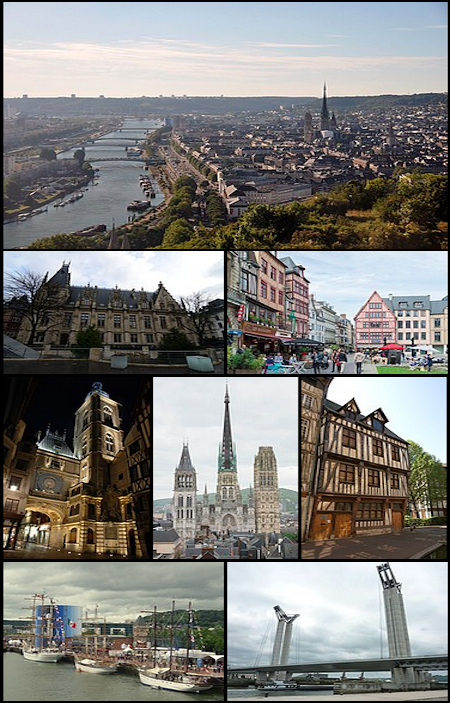
On 30 May 1431 Joan of Arc was executed by burning in Rouen after being condemned as a relapsed heretic. She was about nineteen years old. Her death was intended to erase the legitimacy of her mission and to embarrass Charles VII by proving that the woman who had helped bring him to Reims had been false and dangerous. Instead, the execution transformed her into a martyr in the eyes of many contemporaries and later generations. Reports of her composure, her appeals to God, and the evident political nature of the proceedings deepened sympathy for her. The execution fixed her place in history and ensured that her case would not end with her death.

09januari
1431
09 januari 1431

Heresy trial opens at Rouen

Joan’s ecclesiastical trial formally began in Rouen on 9 January 1431 under the authority of Bishop Pierre Cauchon, with strong English backing. The proceedings sought not merely to judge an individual but to discredit the woman whose visions, military leadership, and support for Charles VII had challenged English claims in France. The case focused on doctrine, obedience to the church, and her adoption of male dress, yet it was inseparable from wartime politics. Extensive trial records survive, making this one of the best documented legal cases of the Middle Ages. The opening of the trial marks the beginning of the process through which her enemies attempted to turn a celebrated heroine into a condemned heretic.

23mei
1430
23 mei 1430

Capture outside Compiègne

On 23 May 1430 Joan was captured outside Compiègne during fighting against Burgundian forces allied with the English. Her capture was the decisive reversal of her career, removing her from the battlefield and placing her at the mercy of political enemies determined to destroy both her reputation and the cause she had helped legitimize. In medieval warfare, capture of a noble or commander often led to ransom, but Joan’s case became entangled in larger strategic aims. Eventually transferred to English control, she was turned from a military symbol into the subject of a judicial campaign. The capture at Compiègne therefore connects directly to the trial that would define her memory almost as much as her victories had.

08september
1429
08 september 1429

Wounded during the failed assault on Paris

Joan took part in the September 1429 campaign against Paris, and on 8 September she was wounded during the assault near the Porte Saint-Honoré. The attack failed, and the setback exposed the limits of the remarkable momentum she had generated earlier that year. Political caution at court, military disagreement among commanders, and the resilience of Anglo-Burgundian forces all constrained what could be achieved after Reims. The failed Paris assault is important because it marks the transition from triumph to frustration in Joan’s public career. She remained influential and active, but the easy narrative of uninterrupted divine success had broken, and royal policy became more hesitant and controlled.

17juli
1429
17 juli 1429

Charles VII is crowned at Reims

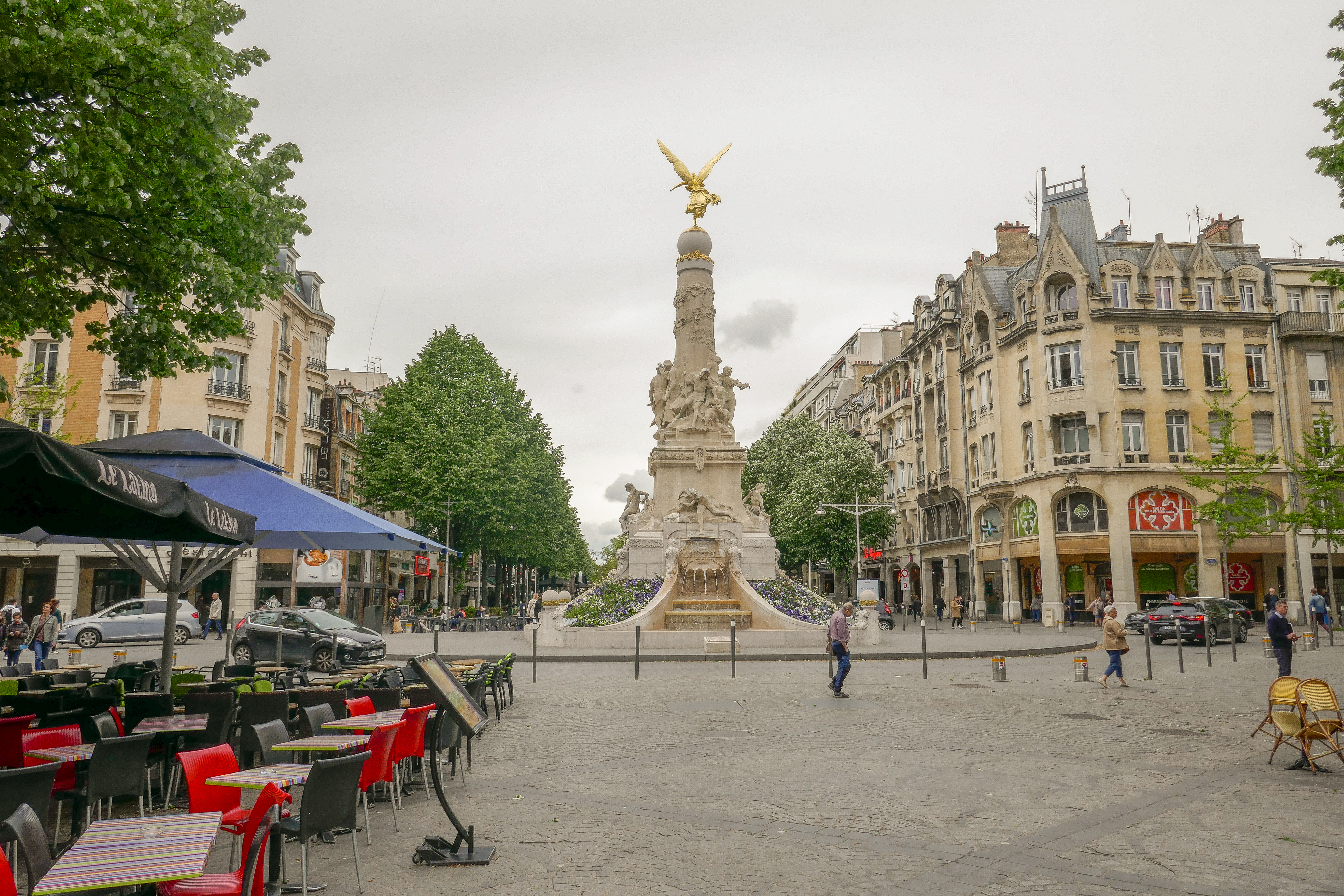
On 17 July 1429 Charles VII was crowned in Reims Cathedral, with Joan present during the ceremony. This was one of the central goals she had declared from the outset, because coronation at Reims carried profound political and sacred meaning in the French monarchy. The event strengthened Charles’s legitimacy at a time when rival claims and the Treaty of Troyes had cast doubt on his right to rule. Joan’s presence linked her mission directly to the restoration of proper kingship. Although the war was far from over, the coronation showed that her intervention had achieved more than battlefield excitement: it had materially altered the symbolic and constitutional balance of the conflict.

18juni
1429
18 juni 1429

Victory at the Battle of Patay

The French victory at Patay on 18 June 1429 completed the Loire campaign and dramatically strengthened the momentum generated at Orléans. French forces routed an English field army and shattered the aura of English battlefield superiority that had dominated much of the war since Crécy and Agincourt. Joan was part of the victorious campaign, and the success helped validate those at court who had backed her mission. Patay mattered not only as a battle but as a strategic opening: it left the road toward Reims far more accessible and made Charles’s long-delayed coronation increasingly realistic. Joan’s role in this chain of events linked military success to dynastic legitimacy.

08mei
1429
08 mei 1429

Relief of the Siege of Orléans

On 8 May 1429 the English siege of Orléans was lifted after a series of French attacks in which Joan played a prominent inspirational and operational role. The event was a military and symbolic breakthrough. For months the city had been under immense pressure, and its fall might have opened much of the Loire valley to English domination. Instead, the French victory reversed the momentum of the war and elevated Joan into a national figure. The relief of Orléans became the defining achievement of her career and earned her the enduring title associated with the city. Historians widely regard it as one of the decisive turning points of the later Hundred Years’ War.

29april
1429
29 april 1429

Arrival at besieged Orléans

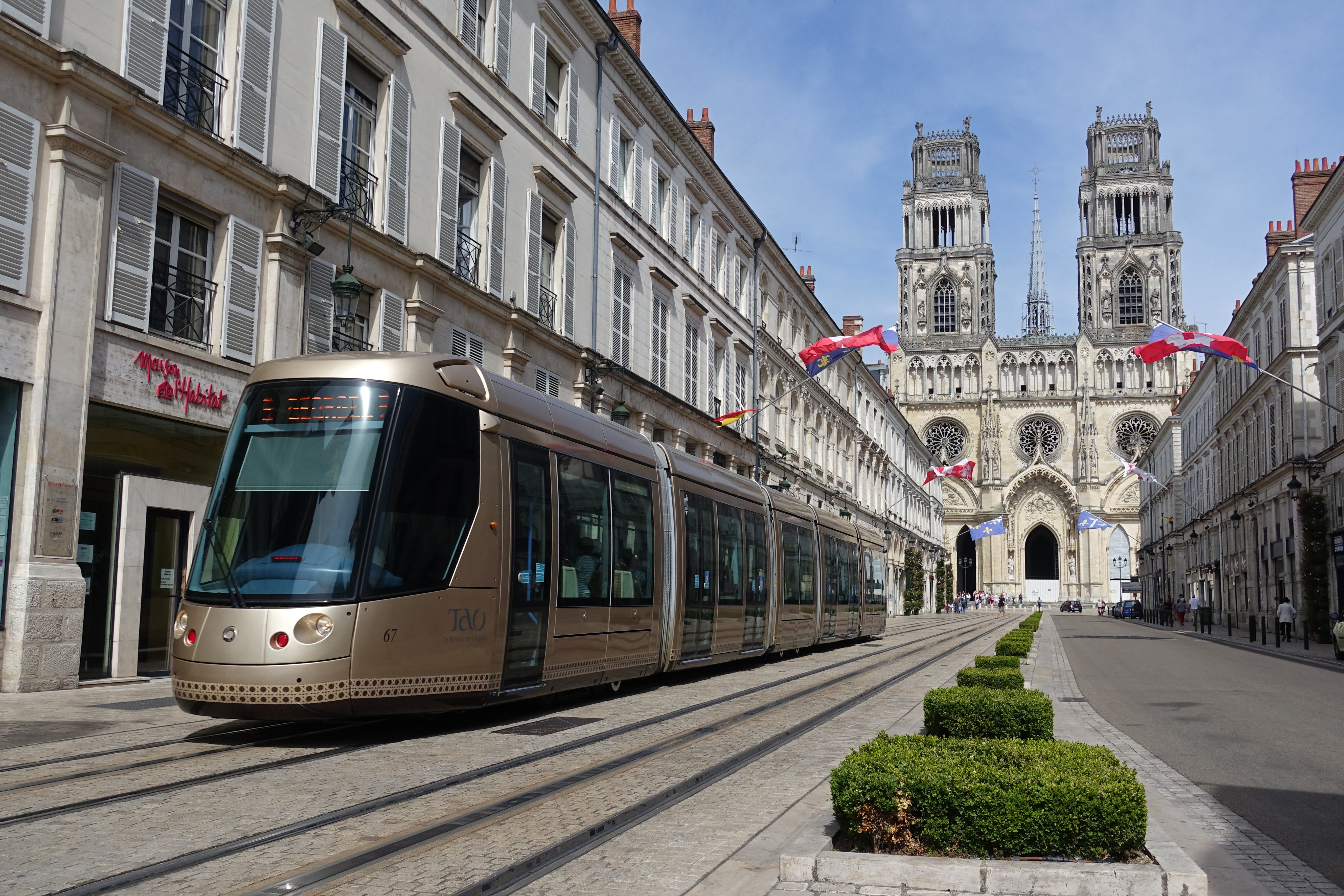
Joan entered Orléans on 29 April 1429 as the city was under severe English siege. Her arrival had an immediate psychological effect on defenders and civilians alike, because the city had come to symbolize the survival of Charles’s cause in central France. Even before any battlefield success, Joan’s presence changed morale and intensified pressure for aggressive action. She encouraged attacks on English positions rather than passive endurance, helping to shift the strategic mood of the campaign. Orléans became the stage on which her reputation was made, and from this point onward she was no longer simply a claimant to divine mission but a visible wartime leader whose actions were followed across France.

01april
1429
01 april 1429

Examination at Poitiers clears the way for action

Before she was entrusted with a major public role, Joan was examined by clerics and theologians at Poitiers in March and early April 1429. Although the surviving record is incomplete, the result was favorable enough that Charles’s government allowed her to accompany a relief force for Orléans. This was a crucial milestone because it gave her a measure of institutional legitimacy. In a deeply religious society, approval from churchmen mattered as much as military usefulness. The inquiry did not certify every supernatural claim she made, but it concluded that there was no obvious reason to reject her and that, in France’s desperate condition, it was reasonable to test her mission in action.

01maart
1429
01 maart 1429

Meeting with Charles at Chinon

In early March 1429, Joan reached Chinon and was received at the dauphin’s court. Her meeting with Charles was a turning point because it brought her directly before the claimant to the French throne at a moment when his prospects were weak and his legitimacy contested. Accounts of the meeting quickly became legendary, but its political meaning is clear: Joan convinced influential people around Charles that she should be taken seriously. The court did not simply accept her immediately; rather, her claims were weighed carefully because endorsing her could bring either divine favor or public embarrassment. The encounter at Chinon opened the path for formal examination and military involvement.

23februari
1429
23 februari 1429

Departure from Vaucouleurs for Chinon

After repeated efforts to win support from Robert de Baudricourt at Vaucouleurs, Joan finally obtained an escort to travel to the court of the dauphin Charles. She left Vaucouleurs on 23 February 1429 dressed for the hazardous journey through contested territory. This departure marked the point at which her claims moved from local rumor into national politics. By setting out for Chinon, she transformed herself from a village visionary into an active participant in dynastic and military affairs. The journey also demonstrated that at least some local authorities had become convinced that she was worth risking official backing on behalf of the embattled Valois cause.

01januari
1425
01 januari 1425

Joan begins reporting visionary experiences

Around 1425, when she was still in her early teens, Joan later testified that she began hearing heavenly voices and seeing figures she identified with saints, including Michael, Catherine, and Margaret. These experiences became the foundation of her conviction that God had chosen her to help save France and support the dauphin Charles. In the political culture of the fifteenth century, prophetic signs and divine intervention were taken seriously, especially in moments of national peril. Joan’s visions therefore were not merely private religious experiences; they became the moral authority she invoked to persuade soldiers, townspeople, clergy, and eventually the royal court.

01januari
1412
01 januari 1412

Birth in Domrémy

Joan of Arc was born in 1412 in the village of Domrémy in northeastern France, the daughter of Jacques d’Arc and Isabelle Romée. Her childhood unfolded in a frontier region troubled by the long Anglo-French conflict later called the Hundred Years’ War and by raids tied to the Armagnac-Burgundian civil struggle. This setting shaped the religious devotion, political awareness, and sense of emergency that later defined her public mission. Although she came from a peasant family rather than the nobility, her origins became central to the enduring power of her story: an uneducated rural teenager who would intervene in one of the decisive crises of medieval France.

Frequently asked questions about Joan of Arc

Discover commonly asked questions regarding Joan of Arc. If there are any questions we may have overlooked, please let us know.

What are some key facts about Joan of Arc's life?

What was the significance of Joan of Arc in the Hundred Years' War?

What is Joan of Arc's legacy?

Who was Joan of Arc?