Explore the life and works of Isabel Allende through a detailed timeline, highlighting key events and milestones in her literary journey.
In November 2018 Allende received the National Book Foundation’s Medal for Distinguished Contribution to American Letters, a lifetime achievement honor recognizing the depth and influence of her work. The award underscored how completely she had entered the literary canon of the United States while remaining one of the most widely read Spanish-language authors in the world. It also highlighted the unusual arc of her career: a writer formed by Chile, exile, and Latin American history being celebrated at the highest levels of American literary culture. The recognition affirmed her long-term impact on readers, writers, and public discussions of identity, memory, and justice.
On November 24, 2014, President Barack Obama awarded Isabel Allende the Presidential Medal of Freedom, one of the highest civilian honors in the United States. The recognition confirmed her standing not only as a bestselling novelist but also as a major cultural figure whose work had shaped literary life across languages and borders. For an immigrant writer who had once arrived in the United States with political reservations rooted in Chile’s history, the award carried symbolic weight. It acknowledged the lasting importance of her fiction, memoir, and public advocacy in American as well as international culture.
On December 9, 1996, Allende established the Isabel Allende Foundation in homage to her daughter Paula. Funded in part by the success of Paula, the foundation focused on supporting organizations working for the protection and empowerment of women and girls, especially in Chile and the San Francisco Bay Area. This event is crucial because it shows how Allende transformed literary success and private sorrow into public action. The foundation made humanitarian commitment a visible and enduring part of her legacy, linking authorship to advocacy in a way consistent with the feminist and ethical concerns long present in her work.
In 1994 Allende published Paula, a memoir written as a letter to her dying daughter and later shaped into a broader account of family history, exile, and loss. The book was a major milestone because it revealed a more explicitly autobiographical voice than many readers had previously encountered in her fiction. It also expanded her reputation beyond the novel, showing that her storytelling power could illuminate personal catastrophe as effectively as political upheaval or invented narrative. Paula remains one of her most emotionally influential works and a key entry point for understanding the relationship between her life and literature.
Paula Frías Allende died on December 6, 1992, after a devastating illness connected to porphyria and a prolonged coma. Her death was one of the defining tragedies of Isabel Allende’s life and became a watershed in her emotional, literary, and philanthropic development. The loss gave rise to deep reflection on motherhood, memory, and mortality, and it reshaped the way many readers understood the personal roots of her writing. Rather than disappearing into silence, the event eventually led Allende to transform grief into testimony, creating one of her most powerful nonfiction books and inspiring later charitable work.
In 1988, during a book tour in the United States, Allende met California lawyer and writer William Gordon and eventually moved to California. This relocation opened a new chapter in her life, placing her within the U.S. literary world while preserving her practice of writing in Spanish. The move deepened the transnational character of her identity: she was no longer only a Chilean exile but also an immigrant building a second life in North America. That experience broadened her readership and reinforced the themes of adaptation, cultural crossing, and chosen belonging that run through her later work.
By 1987 Allende’s marriage to Miguel Frías had ended, closing a long chapter of family life that had begun before her literary fame. The separation mattered because it coincided with her growing international profile and a broader reshaping of her private life after years of exile and professional transformation. In later interviews and autobiographical reflections, Allende treated this period as one of reinvention rather than simple loss. It prepared the ground for her eventual move to the United States and for a later phase of life in which public recognition, intimate upheaval, and creative productivity became deeply intertwined.
In 1982 Allende published The House of the Spirits, the debut novel that made her an international literary figure. The book fused family saga, political history, and elements of the marvelous in ways that resonated strongly with readers in Latin America and beyond. Its success transformed Allende from a journalist and displaced Chilean intellectual into a major novelist with a global readership. The novel also established the core concerns that would continue through her career: women’s lives, intergenerational memory, class conflict, dictatorship, and the persistence of love and storytelling in violent times.
On January 8, 1981, after learning that her grandfather was dying, Allende began writing him a letter that evolved into her first novel, The House of the Spirits. This date has become almost legendary in her personal mythology because it marks the conscious beginning of her literary career. The manuscript drew on family history, political upheaval, and storytelling traditions, blending the intimate and the historical in a style that would make her famous. The act of writing from grief, memory, and distance gave shape to the narrative voice that established her place in world literature.
In 1975 Allende left Chile for Venezuela, beginning a long period of exile that lasted about thirteen years. This move was one of the most consequential events of her life: removed from her country, family networks, and familiar social world, she was forced to reconstruct herself professionally and emotionally. Exile sharpened her sense of memory and loss, and she later said that displacement helped make her a serious writer. The experience profoundly shaped the themes of uprooting, survival, and reinvention that would distinguish her fiction and memoirs and connect her to readers across the world.
The military coup in Chile on September 11, 1973, which overthrew President Salvador Allende, transformed Isabel Allende’s life as well as the political horizon of her generation. Because she was related to the president and publicly associated with the defeated democratic left, the new dictatorship created an atmosphere of danger and moral rupture around her. This event became a decisive turning point in her political consciousness and later in her fiction, where authoritarianism, trauma, disappearance, and the endurance of memory recur again and again. The coup also set in motion the exile that would define her mature literary voice.
On October 22, 1963, Allende’s daughter Paula was born in Santiago, Chile. Paula would later become one of the most important figures in Allende’s emotional and literary life. Her daughter’s illness and death decades later led to one of Allende’s best-known nonfiction works, the memoir Paula, which connected private grief with memory, family history, and exile. The significance of this birth lies not only in family biography but in how Paula’s life and loss became inseparable from Allende’s later humanitarian work and some of her most intimate prose.
In 1962 Isabel Allende married Miguel Frías, an engineer who would be her first husband and the father of her two children. The marriage belongs in her timeline not simply as a personal detail but because family life became central to both her memoir writing and her fiction. Her later books repeatedly returned to questions of marriage, gender expectations, motherhood, loyalty, and emotional independence. The eventual breakdown of this relationship also became part of the broader life transition that accompanied exile, reinvention, and her emergence as an internationally recognized author.
In 1959 Allende began working in Santiago as a secretary for the Food and Agriculture Organization, a United Nations agency. This was an important early professional milestone because it marked her entry into formal employment and exposed her to international institutions, bureaucracy, and the wider world beyond conventional domestic expectations for women of her generation. The job preceded her rise in journalism and fiction, but it helped establish the discipline and outward-looking perspective that later informed her career as a writer whose work often joins intimate family stories with social, political, and historical forces.
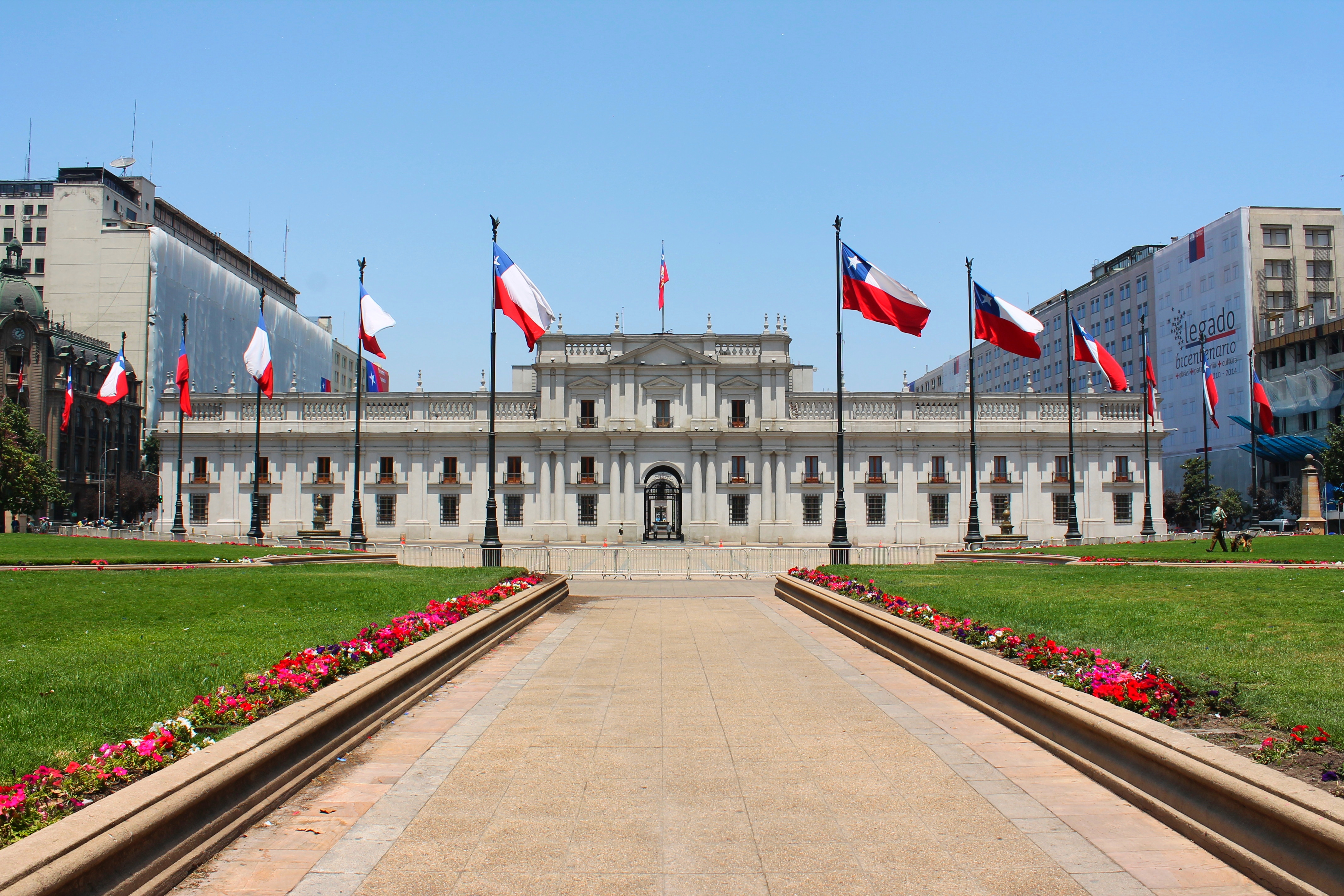
After spending part of her childhood and adolescence in countries where her diplomat stepfather was posted, including Bolivia and Lebanon, Allende returned to Chile in 1958. The move anchored her in Santiago at a formative moment and positioned her to enter adult life during a period of social and political change. This return mattered because it connected her permanently to Chilean cultural life even after exile later forced her away. Many of her later memoirs and novels drew emotional and historical power from this remembered Chile of family, class tensions, domestic life, and political awakening.
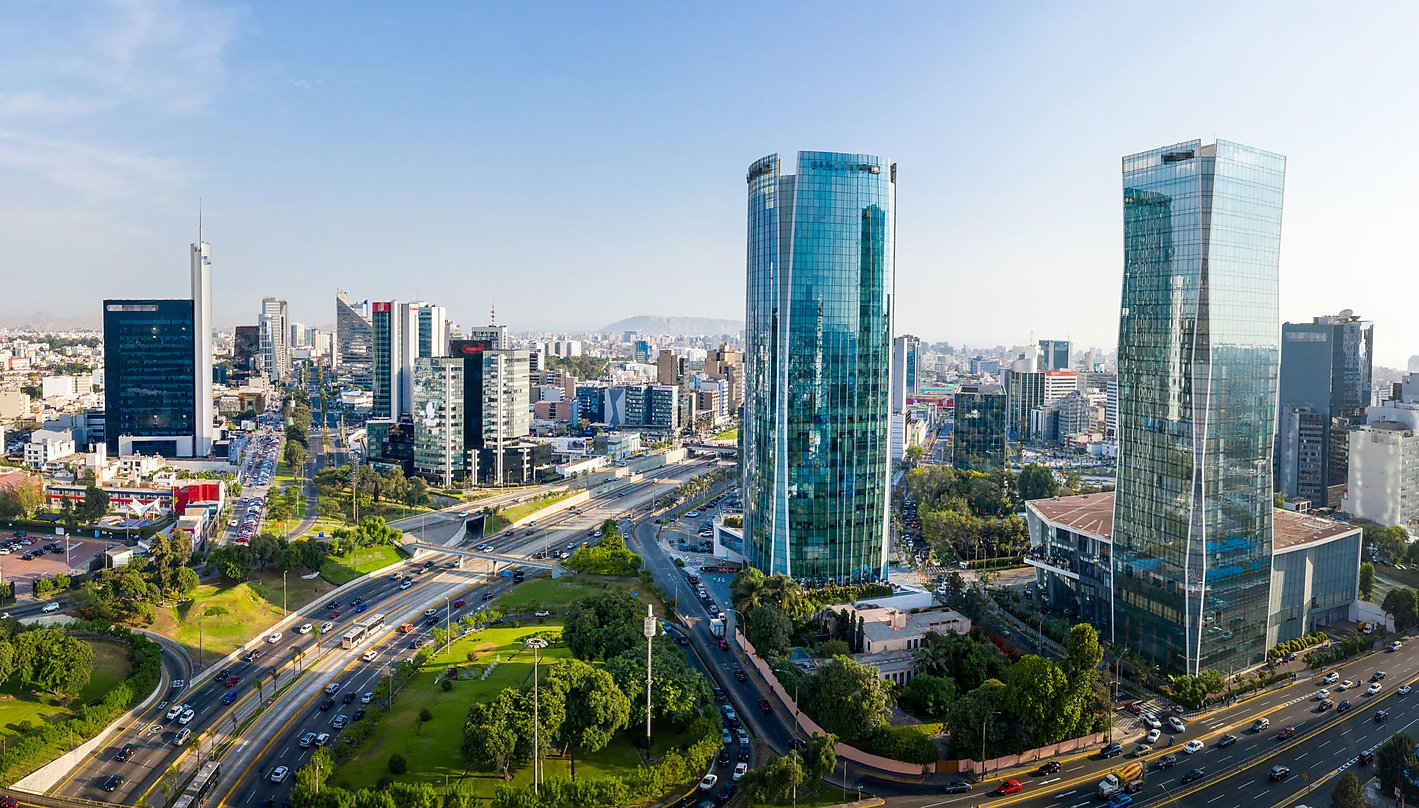
Isabel Allende was born on August 2, 1942, in Lima, Peru, into a Chilean family connected to diplomacy and public life. Her father, Tomás Allende, was serving abroad, and her early birth in Peru became part of the transnational identity that would later shape both her life and fiction. Although she would be raised mainly in Chile, this origin outside the country where she became culturally rooted foreshadowed the themes of displacement, migration, and layered belonging that would define much of her writing and public voice over the following decades.
Discover commonly asked questions regarding Isabel Allende. If there are any questions we may have overlooked, please let us know.
What impact has Isabel Allende had on literature?
What are some of Isabel Allende's most famous works?
What themes are prevalent in Isabel Allende's writing?
Who is Isabel Allende?