Information Age
@informationageSince 1947
Dive into the key events of the Information Age, tracing technological advancements and their impact on society. Discover the evolution today!
Frequently asked questions about Information Age
Discover commonly asked questions regarding Information Age. If there are any questions we may have overlooked, please let us know.
What is the legacy of the Information Age?
What are some key facts about the Information Age?
What is the Information Age?
Why is the Information Age significant?
Related Timepaths
People, places and organizations that appear in Information Age’s events
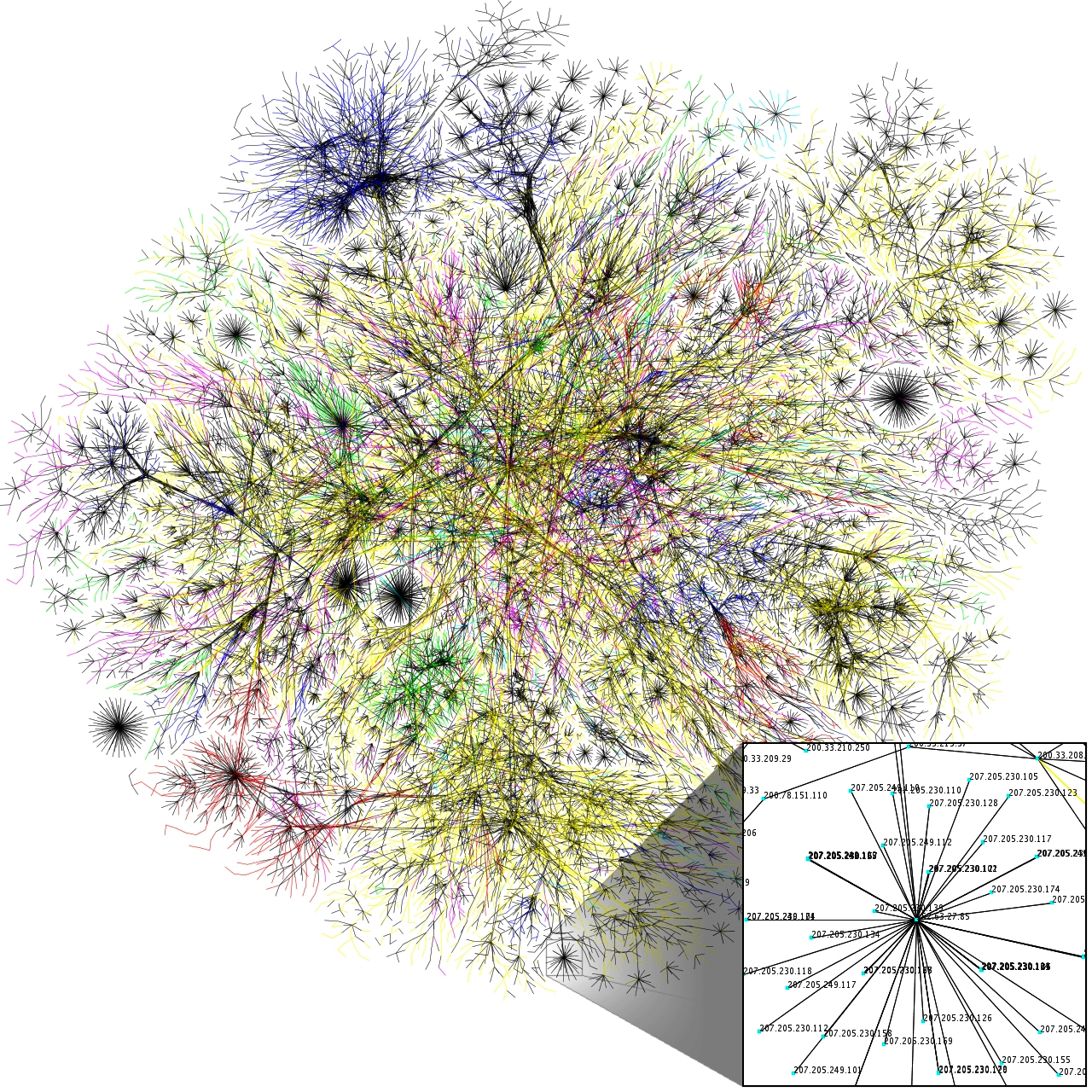
Internet
Explore the fascinating timeline of the Internet's development, from its origins to the present. Discover key milestones and innovations!
World Wide Web
Explore the fascinating timeline of the World Wide Web, from its inception to modern developments. Discover key milestones and innovations!

CERN
Explore the fascinating timeline of CERN, highlighting major discoveries, experiments, and advancements in particle physics. Click to learn more!
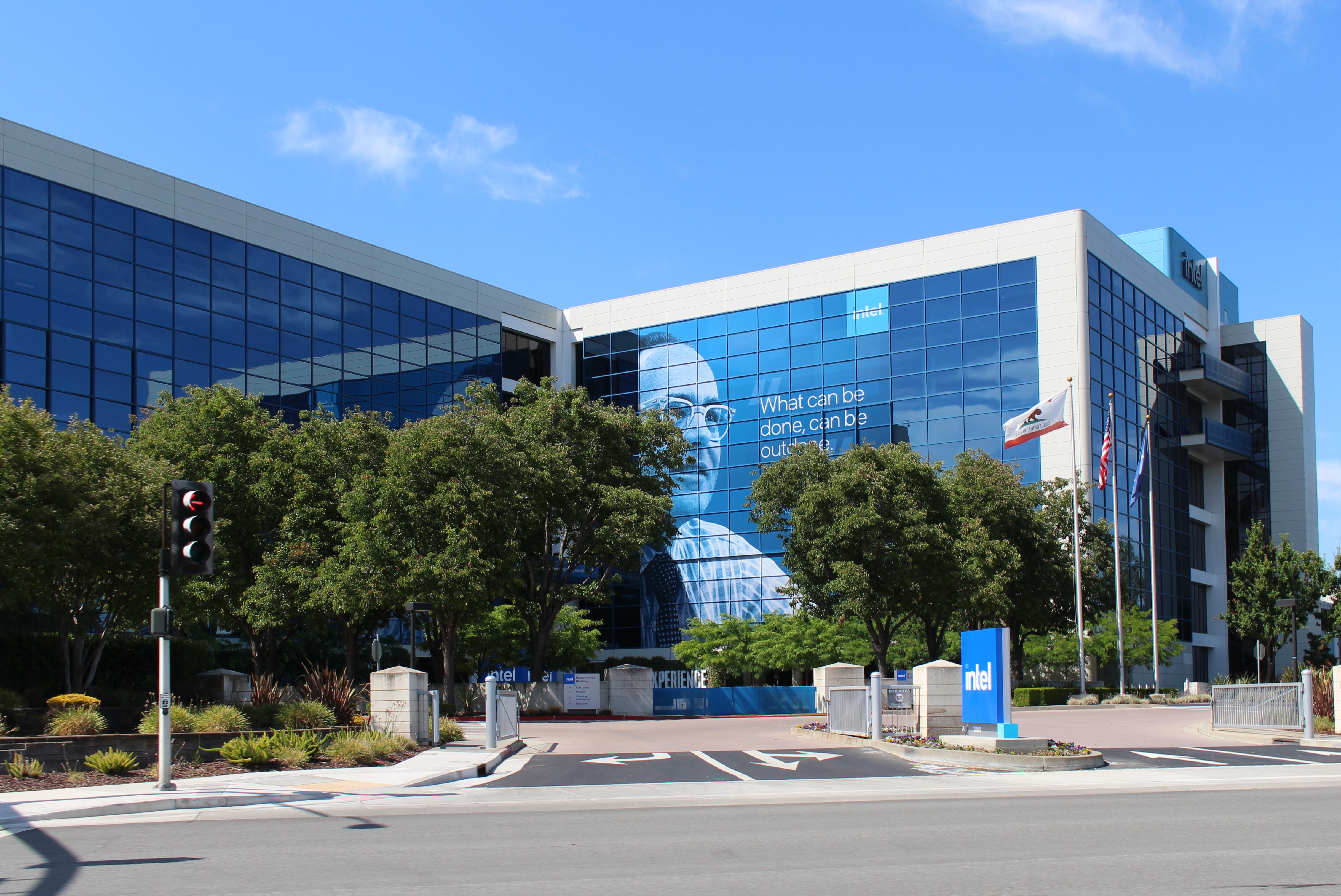
Intel
Explore the comprehensive timeline of Intel, highlighting pivotal moments in the company's history from its founding in 1968 to its major technological advancements and innovations. Discover how Intel became a leader in the semiconductor industry with groundbreaking products and strategic initiatives.

IBM
Explore the comprehensive timeline of IBM, tracing its journey from a pioneering technology company founded in 1911 to a global leader in computing, AI, and cloud solutions. Discover significant breakthroughs, acquisitions, and innovations that have defined IBM over the decades.

Explore the comprehensive timeline of Google, highlighting the key milestones and achievements of the tech giant from its inception to present day. Discover the evolution of Google's search engine, product launches, acquisitions, and major advancements in technology and innovation.
Amazon

Apple Inc.
Explore the comprehensive timeline of Apple Inc., detailing the pivotal moments from its founding in 1976 by Steve Jobs, Steve Wozniak, and Ronald Wayne, to its rise as a global leader in technology with groundbreaking products like the Macintosh, iPod, iPhone, and more. This timeline highlights Apple's innovation, leadership changes, product launches, and significant milestones that have shaped the company's journey and impact on the technology industry.

Explore the comprehensive timeline of Facebook, from its founding in 2004 by Mark Zuckerberg and his Harvard roommates, to its evolution into a global social networking giant. Discover key milestones, major updates, and pivotal moments that have shaped Facebook's journey and impact on social media and digital communication.
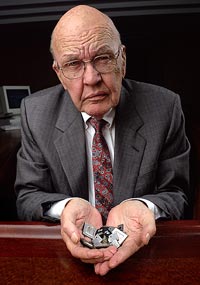
Jack Kilby
Explore the timeline of Jack Kilby, the American engineer and inventor who revolutionized modern electronics by creating the first integrated circuit. From his early days at Texas Instruments to winning the Nobel Prize in Physics, follow the key milestones in Kilby's life and career.