Indian independence movement
@indianindependencemovement1857 — 1947
Explore the key events and milestones of the Indian independence movement. Discover the struggle for freedom and its impact on history.
Frequently asked questions about Indian independence movement
Discover commonly asked questions regarding Indian independence movement. If there are any questions we may have overlooked, please let us know.
Who were the key leaders of the Indian independence movement?
What is the legacy of the Indian independence movement today?
What was the significance of the Salt March in the Indian independence movement?
What were the main causes of the Indian independence movement?
Related Timepaths
People, places and organizations that appear in Indian independence movement’s events
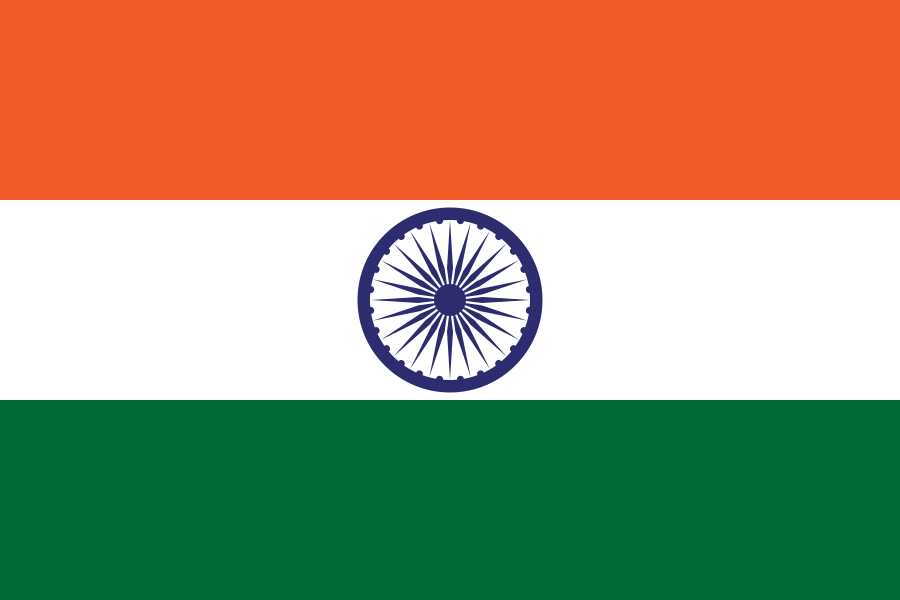
India
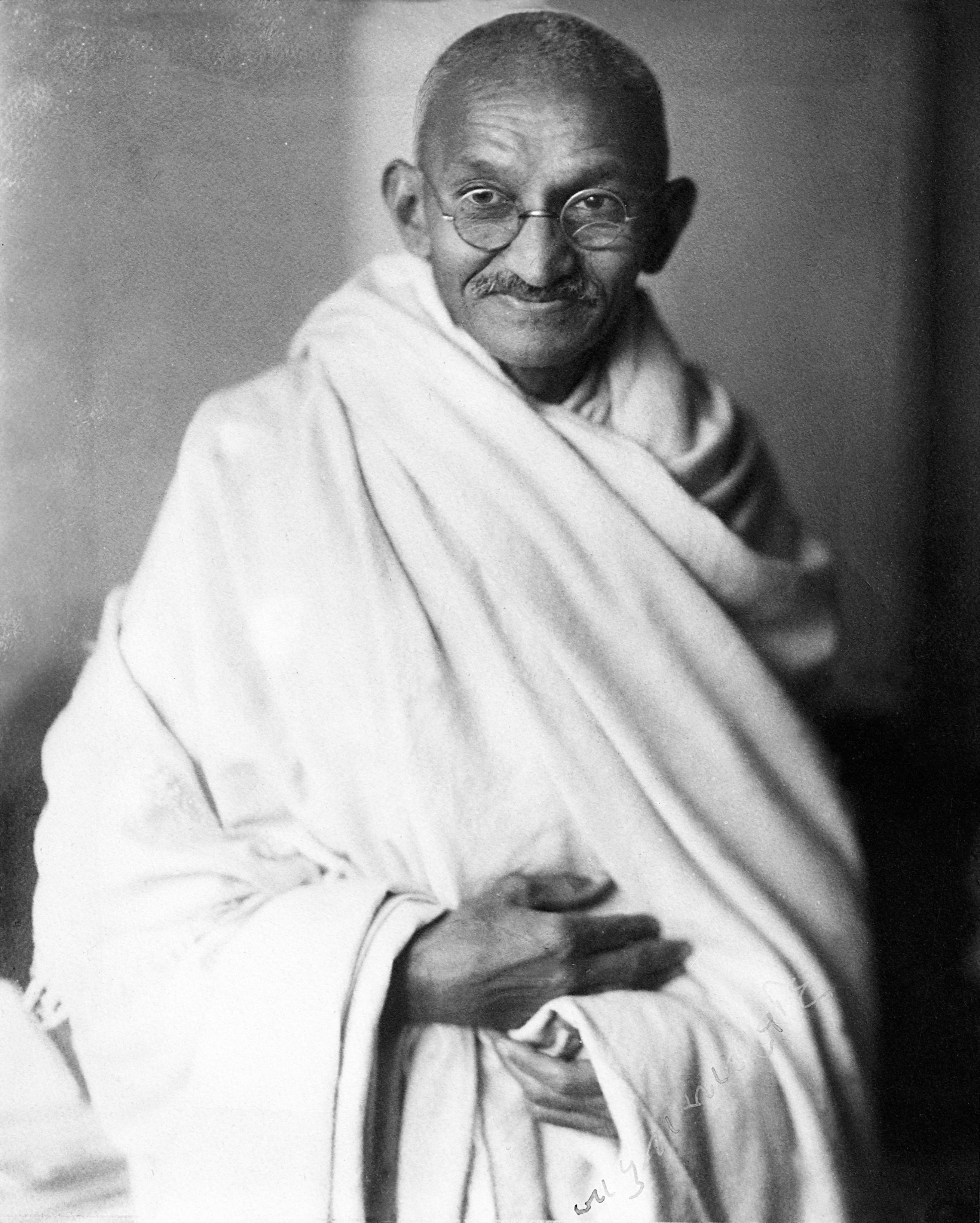
Mahatma Gandhi
Explore the key events and milestones in Mahatma Gandhi's life, showcasing his journey as a leader of peace and freedom.

Indian National Congress
Explore the key events and milestones of the Indian National Congress. Discover its journey and impact on India's history.

Ahmadābād
Explore the rich timeline of Ahmadābād, a city with a vibrant history dating back to its founding in 1411 by Sultan Ahmad Shah. Discover key events, cultural milestones, and architectural developments that have shaped this UNESCO World Heritage City into the dynamic metropolis it is today. From ancient trade routes to its role in India's independence, Ahmadābād offers a fascinating journey through time.

Amritsar
Explore the rich history and timeline of Amritsar, a city known for its spiritual significance, cultural heritage, and historical events. From its founding in the 16th century to contemporary times, discover the key events and milestones that have shaped Amritsar into the vibrant city it is today.

Pakistan
Explore the significant events in the history of Pakistan, from its inception in 1947 to modern times. This timeline covers pivotal moments in politics, culture, and society, illustrating the journey of Pakistan from its independence to its current status.
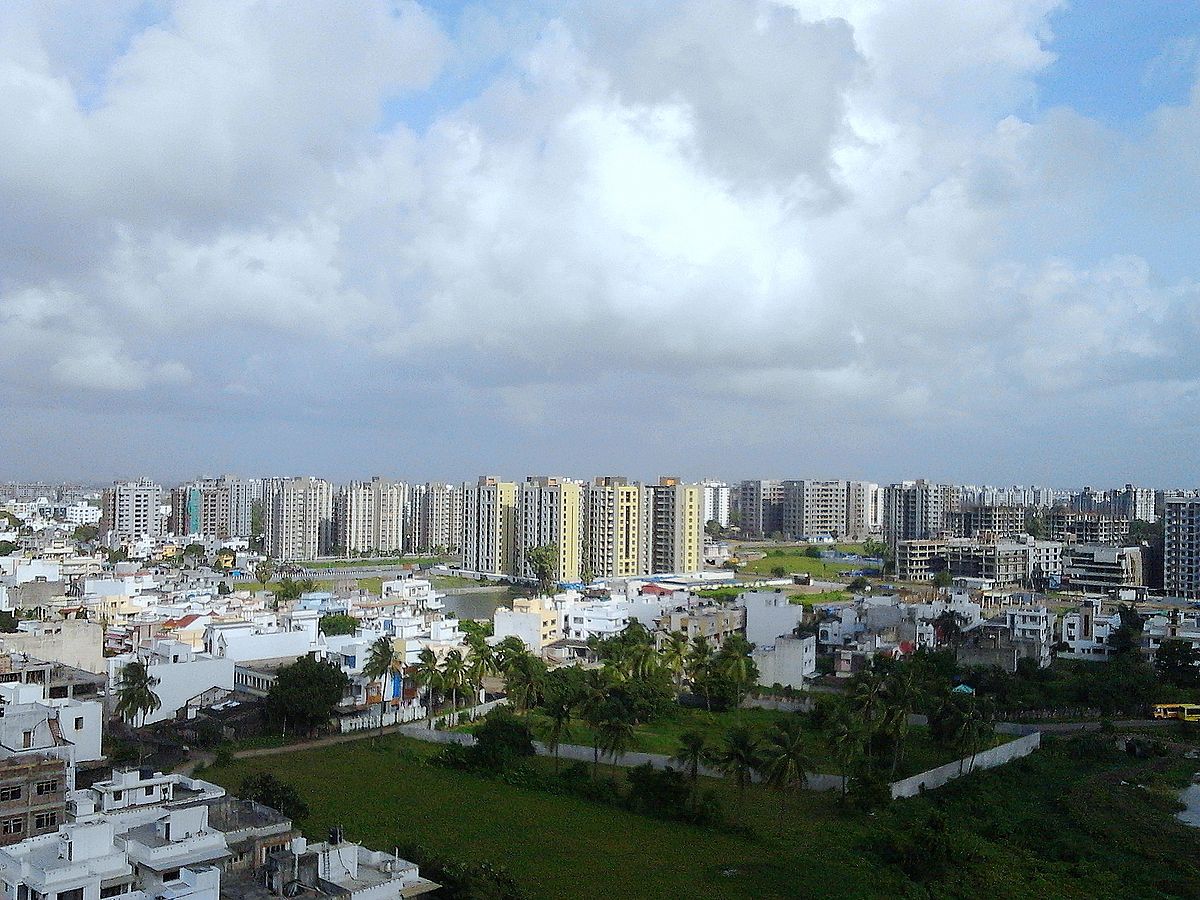
Sūrat
Explore the rich history of Surat, a city renowned for its trade and culture. Delve into its timeline, from its establishment as a flourishing port city in ancient times to its modern-day emergence as an industrial hub. Uncover pivotal events, significant developments, and cultural milestones that have shaped Surat over the centuries in this comprehensive historical overview.

Indira Gandhi
Explore the significant events and milestones in Indira Gandhi's life. Discover her impact on India and the world in this detailed timeline.
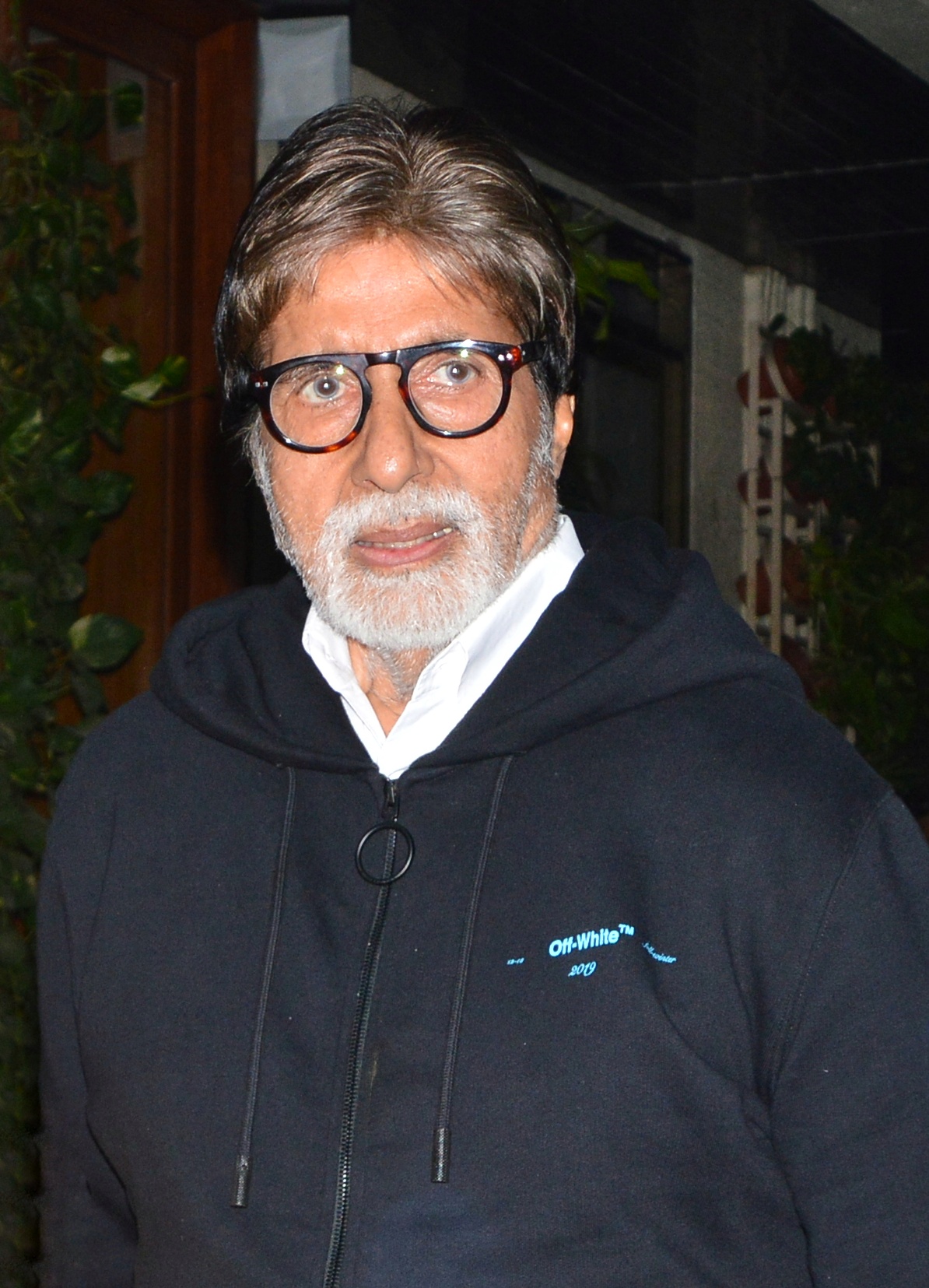
Amitabh Bachchan
Explore the incredible journey of Amitabh Bachchan, one of India's most iconic actors. From his early beginnings to becoming a Bollywood legend, discover the milestones in his dynamic career and personal life.
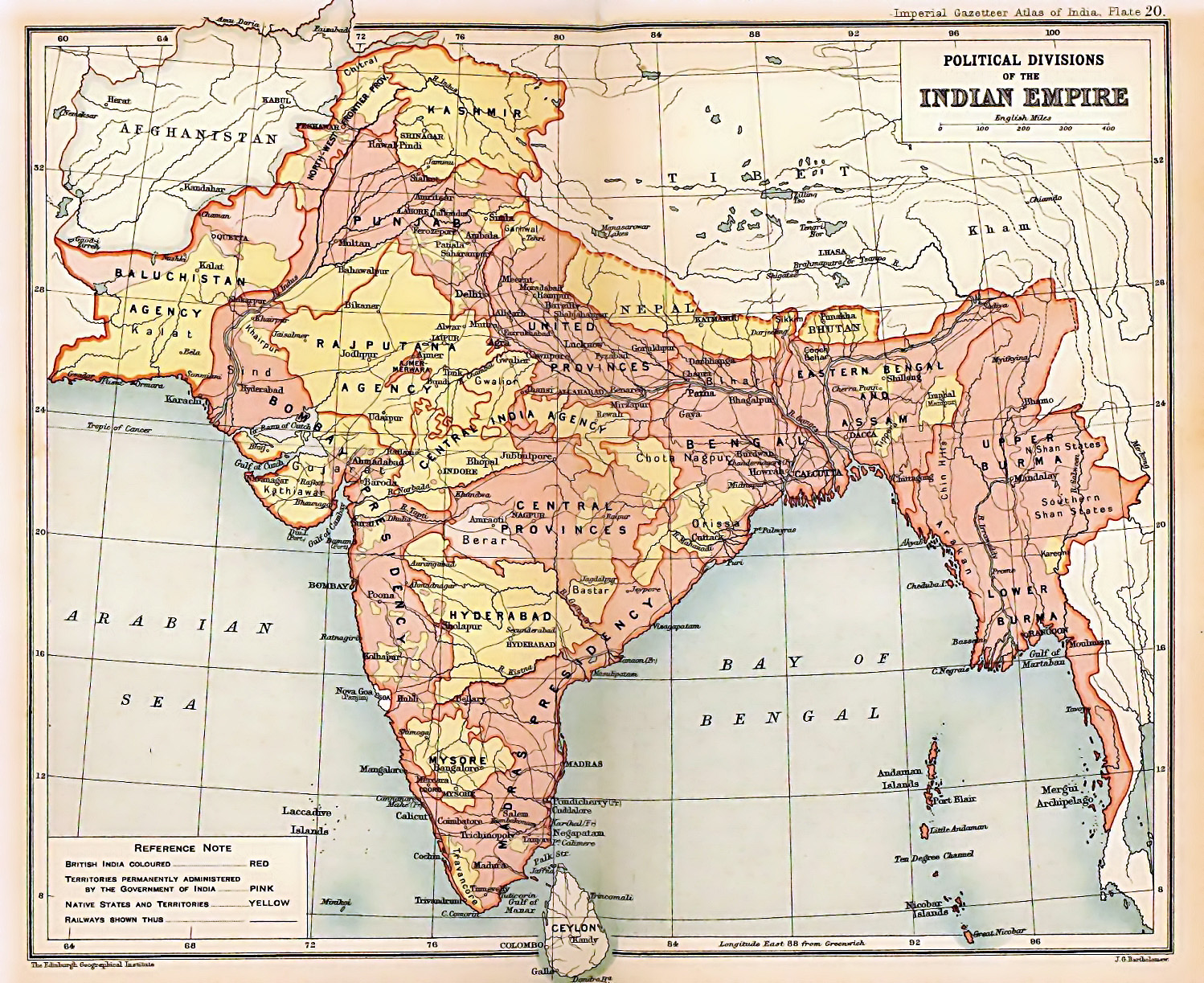
Partition of India
Explore the significant events leading to and following the Partition of India in 1947. This timeline covers the key milestones from the call for independence, the involvement of the British Crown, the Mountbatten Plan, to the creation of India and Pakistan. Understand the historical context, political decisions, and social impacts that shaped the subcontinent’s division, resulting in massive population movements, communal violence, and the establishment of two separate nations.