Human Genome Project
@humangenomeproject1984 — 2022
Explore the key milestones of the Human Genome Project, from its inception to groundbreaking discoveries. Discover how it changed genetics forever!
Frequently asked questions about Human Genome Project
Discover commonly asked questions regarding Human Genome Project. If there are any questions we may have overlooked, please let us know.
What are some key facts about the Human Genome Project?
Why is the Human Genome Project significant?
What is the legacy of the Human Genome Project?
What was the Human Genome Project?
Related Timepaths
People, places and organizations that appear in Human Genome Project’s events
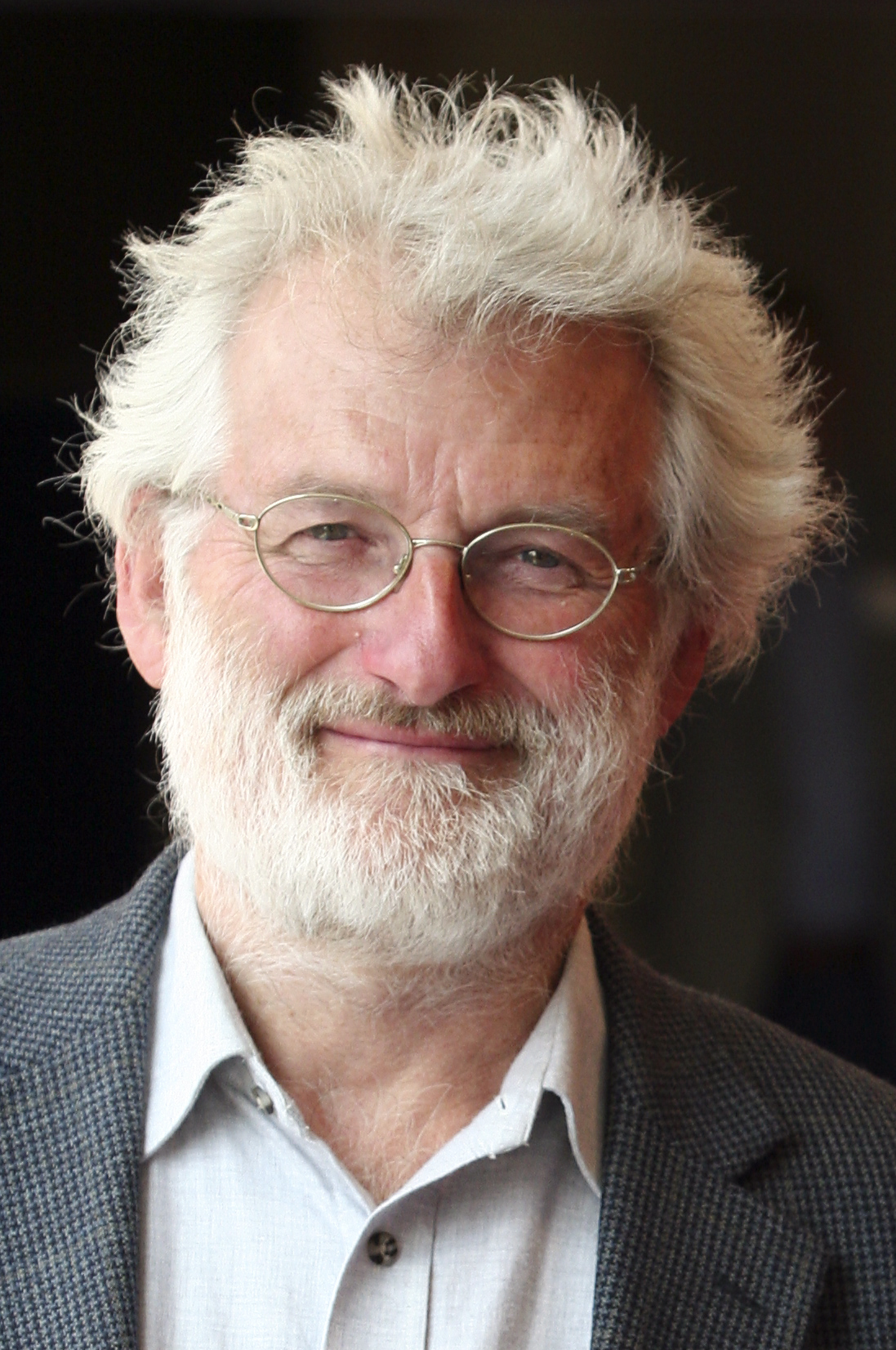
John E. Sulston
Explore the timeline of John E. Sulston, renowned for his contributions to genetics and role in the Human Genome Project. Discover key milestones in his career and achievements in scientific research and molecular biology.

Hamilton O. Smith
Explore the key events and milestones in the life of Hamilton O. Smith, a groundbreaking microbiologist known for his Nobel Prize-winning research in the field of molecular genetics and the discovery of type II restriction enzymes. Delve into his contributions to science and the impact of his work on modern biology.
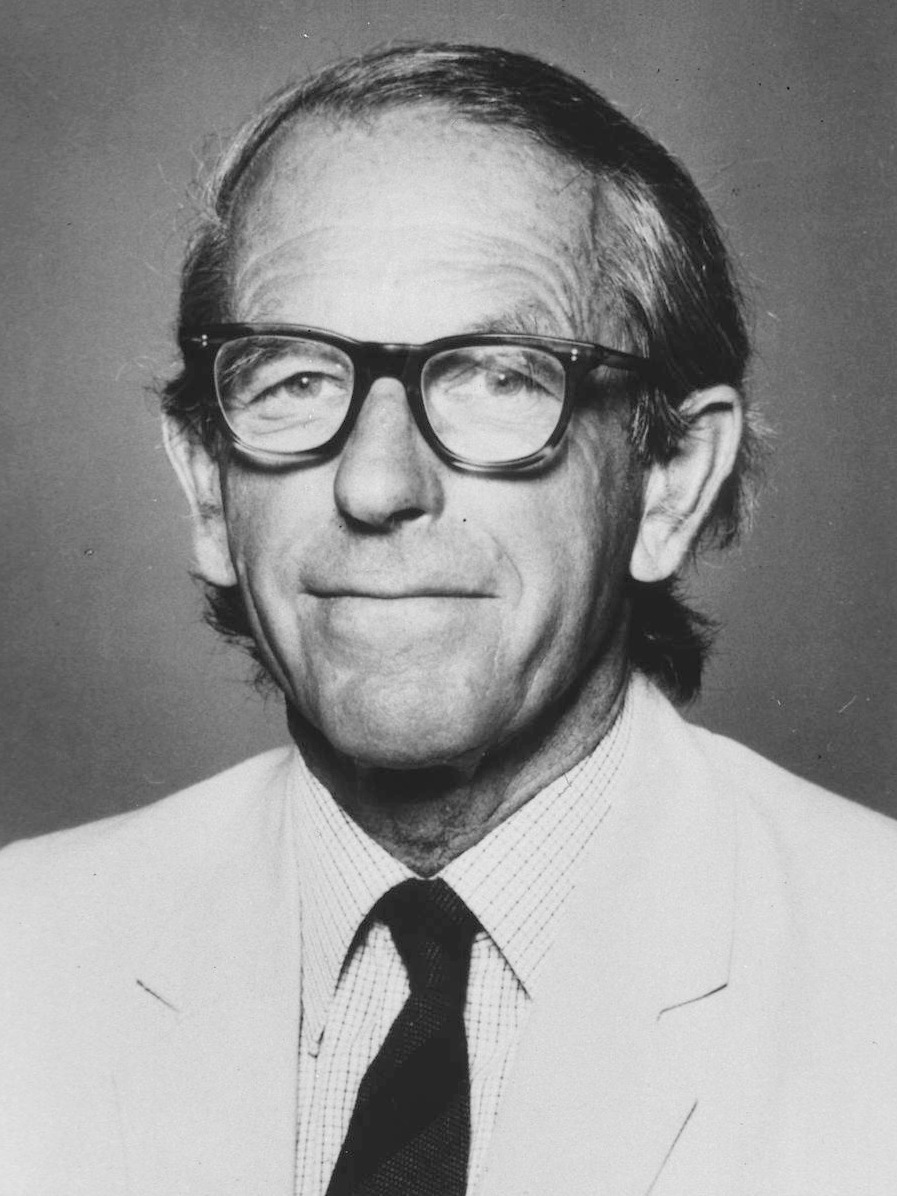
Frederick Sanger
Explore the timeline of Frederick Sanger, a distinguished biochemist and two-time Nobel Prize winner. Discover his groundbreaking contributions to the field of chemistry, including his innovative methods for sequencing and his impact on modern biochemistry.

Renato Dulbecco
Explore the significant milestones in the life of Renato Dulbecco, an illustrious virologist whose groundbreaking research on oncogenes and the life cycle of viruses earned him a Nobel Prize in Physiology or Medicine in 1975. Discover key events from his birth in Italy, his academic and professional journey across Europe and the United States, to his contributions to cancer research and the Human Genome Project.
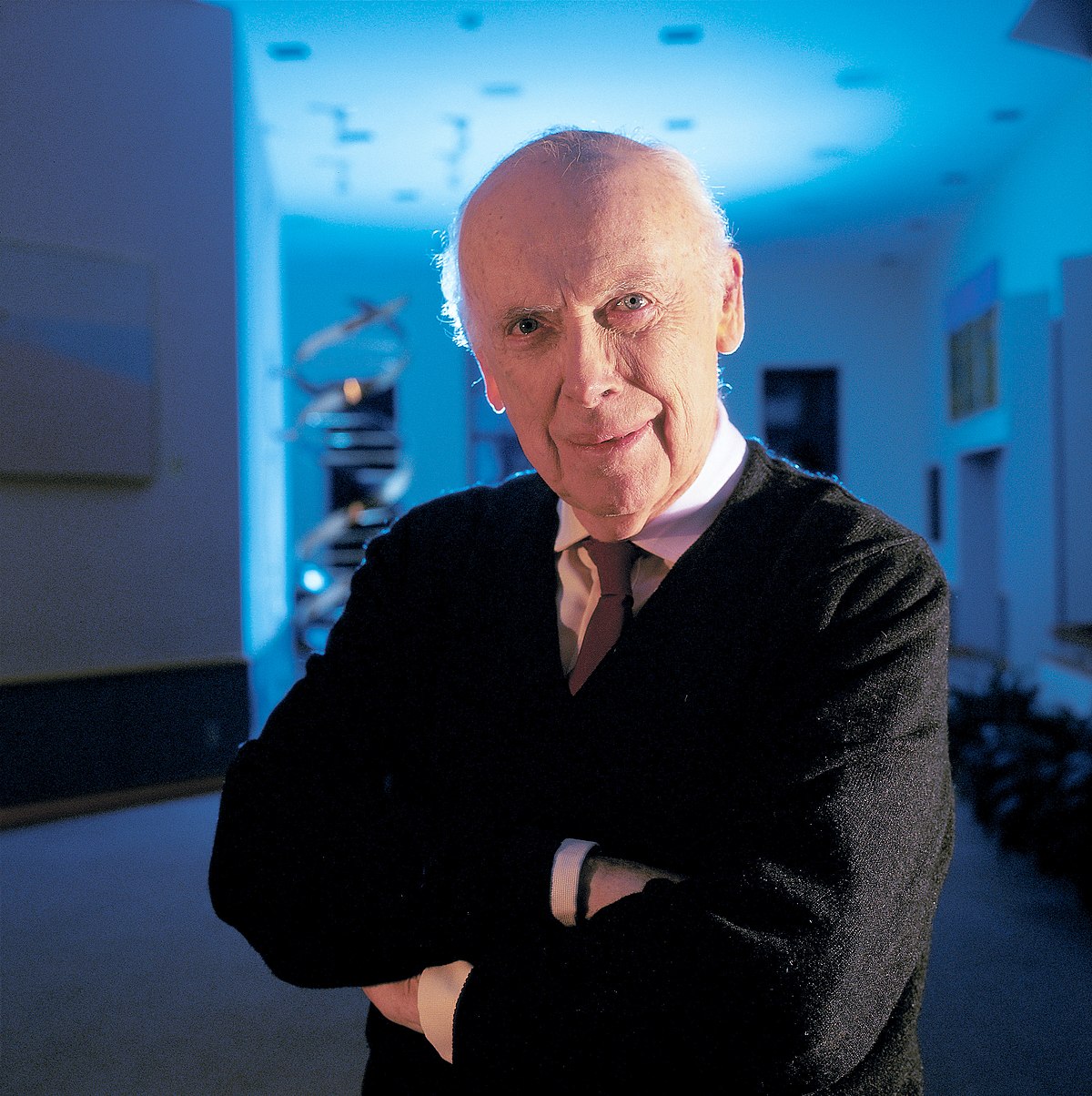
James Dewey Watson
Explore the timeline of James Dewey Watson, a prominent biologist known for co-discovering the DNA structure. This timeline highlights significant milestones in his life, including his birth in 1928, his groundbreaking research in the 1950s, receiving the Nobel Prize in 1962, and his contributions to the Human Genome Project. Learn more about Watson's enduring legacy in the field of molecular biology.

United States
Explore the historical timeline of the United States, covering key events from its founding to the present day. Delve into significant milestones that have shaped the nation, including the American Revolution, Civil War, civil rights movements, and more. Understand the critical moments that have influenced the social, political, and cultural evolution of America.

China
Explore the comprehensive timeline of China's rich history, featuring key events, dynasties, and milestones from ancient times to the modern era. Discover the cultural, political, and economic developments that shaped China into the nation it is today.
Bill Clinton

Maurice Hugh Frederick Wilkins
Explore the timeline of Maurice Hugh Frederick Wilkins, the notable physicist and molecular biologist who played a crucial role in the discovery of the DNA structure. This timeline highlights key moments in Wilkins' life, from his early education and scientific contributions to his work with X-ray diffraction and the Nobel Prize he shared for his role in pioneering DNA research.

Walter Gilbert
Explore the timeline of Walter Gilbert, a pioneering scientist known for his groundbreaking contributions to molecular biology and genetics. This detailed chronology highlights his key achievements, including winning the Nobel Prize, his role in sequencing methods and biotechnology advancements, and his influence on modern science.