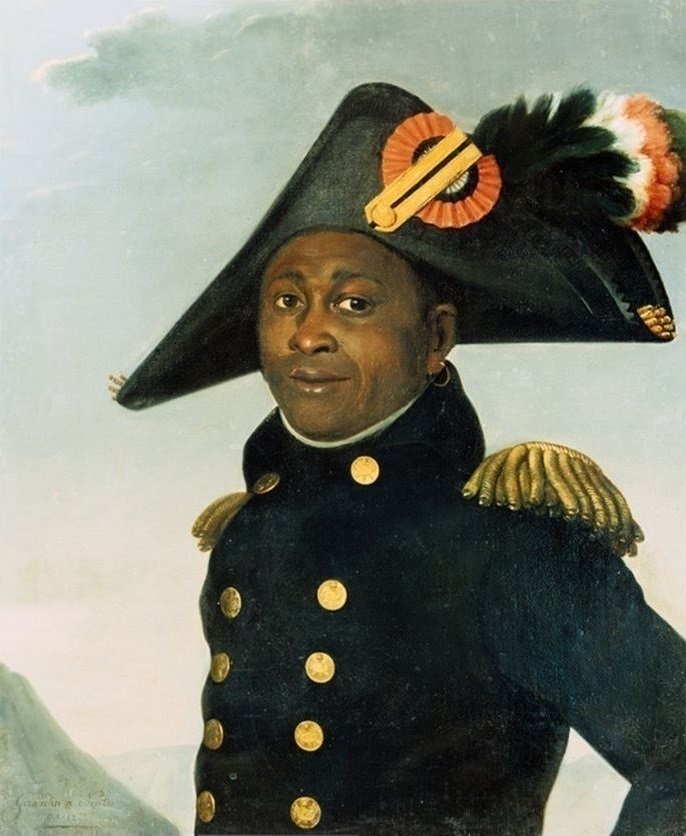
Explore the key events of the Haitian Revolution, from its beginnings to independence. Discover the fight for freedom and its lasting impact.
On July 11, 1825, France formally recognized Haiti's independence in exchange for a large indemnity payment. This recognition came after years of diplomatic pressure and was crucial for Haiti's international legitimacy. However, the financial burden of the indemnity had long-lasting economic repercussions for the young nation, contributing to its enduring poverty.
Jean-Jacques Dessalines, the first ruler of independent Haiti, was assassinated on October 17, 1806. His death came amidst political turmoil and dissatisfaction with his authoritarian rule. Dessalines' assassination led to a power struggle and the eventual division of Haiti into separate states, highlighting the challenges of post-revolution governance.
Between February and April 1804, Jean-Jacques Dessalines ordered the massacre of the remaining French population in Haiti. This brutal act was driven by fears of French re-colonization and was intended to prevent any future threat to Haitian sovereignty. The massacre resulted in the deaths of thousands and left a lasting impact on Haiti's international relations.
On January 1, 1804, Jean-Jacques Dessalines declared the independence of Haiti, making it the first independent nation in Latin America and the Caribbean, and the first post-colonial independent black-led nation in the world. The declaration was a monumental achievement, ending over a decade of revolutionary struggle and establishing Haiti as a symbol of freedom and resistance against oppression.
The Battle of Vertières, fought on November 18, 1803, was the last major battle of the Haitian Revolution. Haitian forces led by Jean-Jacques Dessalines defeated the French troops, effectively ending Napoleon's attempt to regain control of the colony. This victory was crucial in securing Haiti's independence, making it the first successful slave-led revolution in history.
On May 6, 1802, Toussaint Louverture was captured by French forces under General Charles Leclerc. Louverture was tricked into negotiations and subsequently arrested. He was deported to France, where he died in prison the following year. His capture marked a significant setback for the revolution, but it also galvanized resistance against French efforts to re-establish control and slavery in the colony.
In July 1801, Toussaint Louverture, the leader of the Haitian Revolution, promulgated a new constitution for Saint-Domingue. This constitution abolished slavery permanently and declared Louverture governor for life. It also maintained the colony's status as a French territory, which was a compromise to prevent French intervention. The constitution was a bold assertion of autonomy and a step towards full independence.
On February 4, 1794, the French National Convention officially abolished slavery in all French colonies. This decree was a result of the revolutionary activities in Saint-Domingue and was intended to prevent further colonial unrest. The abolition was a landmark decision, although its enforcement varied across different territories.
On August 29, 1793, the French commissioner Léger-Félicité Sonthonax declared the abolition of slavery in Saint-Domingue. This was a strategic move to gain the support of the enslaved population against British and Spanish forces. The decision was a significant turning point in the revolution, as it aligned the formerly enslaved people with the French Republic against external threats.
The Haitian Revolution began on the night of August 22, 1791, when enslaved Africans in the French colony of Saint-Domingue rose up against their colonial masters. This insurrection was a pivotal moment in history, marking the start of a 13-year struggle for freedom and independence. The revolution was influenced by the ideals of the French Revolution and was driven by the brutal conditions of slavery on the island.
Discover commonly asked questions regarding Haitian Revolution. If there are any questions we may have overlooked, please let us know.
What is the legacy of the Haitian Revolution today?
What were the main causes of the Haitian Revolution?
Who were the key figures in the Haitian Revolution?
What was the significance of the Haitian Revolution?
More Timepaths connected to Haitian Revolution