Green Revolution
@greenrevolution1943 — 1971
Explore the pivotal events of the Green Revolution, showcasing innovations in agriculture that transformed food production worldwide.
Frequently asked questions about Green Revolution
Discover commonly asked questions regarding Green Revolution. If there are any questions we may have overlooked, please let us know.
What is the significance of the Green Revolution?
What were the key achievements of the Green Revolution?
What was the Green Revolution?
What are the long-term impacts of the Green Revolution?
Related Timepaths
People, places and organizations that appear in Green Revolution’s events

Mexico
India

Norman Ernest Borlaug
Explore the timeline of Norman Ernest Borlaug, an influential American agronomist and humanitarian. Known as the 'father of the Green Revolution', Borlaug's pioneering work in agriculture saved millions from famine. Learn about his life, career milestones, and enduring legacy in this detailed chronology.

Philippines
Explore the comprehensive timeline of the Philippines, detailing significant events and milestones in its history from pre-colonial times to modern-day developments. Understand the cultural, political, and historical evolution of this Southeast Asian nation.

Pakistan
Explore the significant events in the history of Pakistan, from its inception in 1947 to modern times. This timeline covers pivotal moments in politics, culture, and society, illustrating the journey of Pakistan from its independence to its current status.
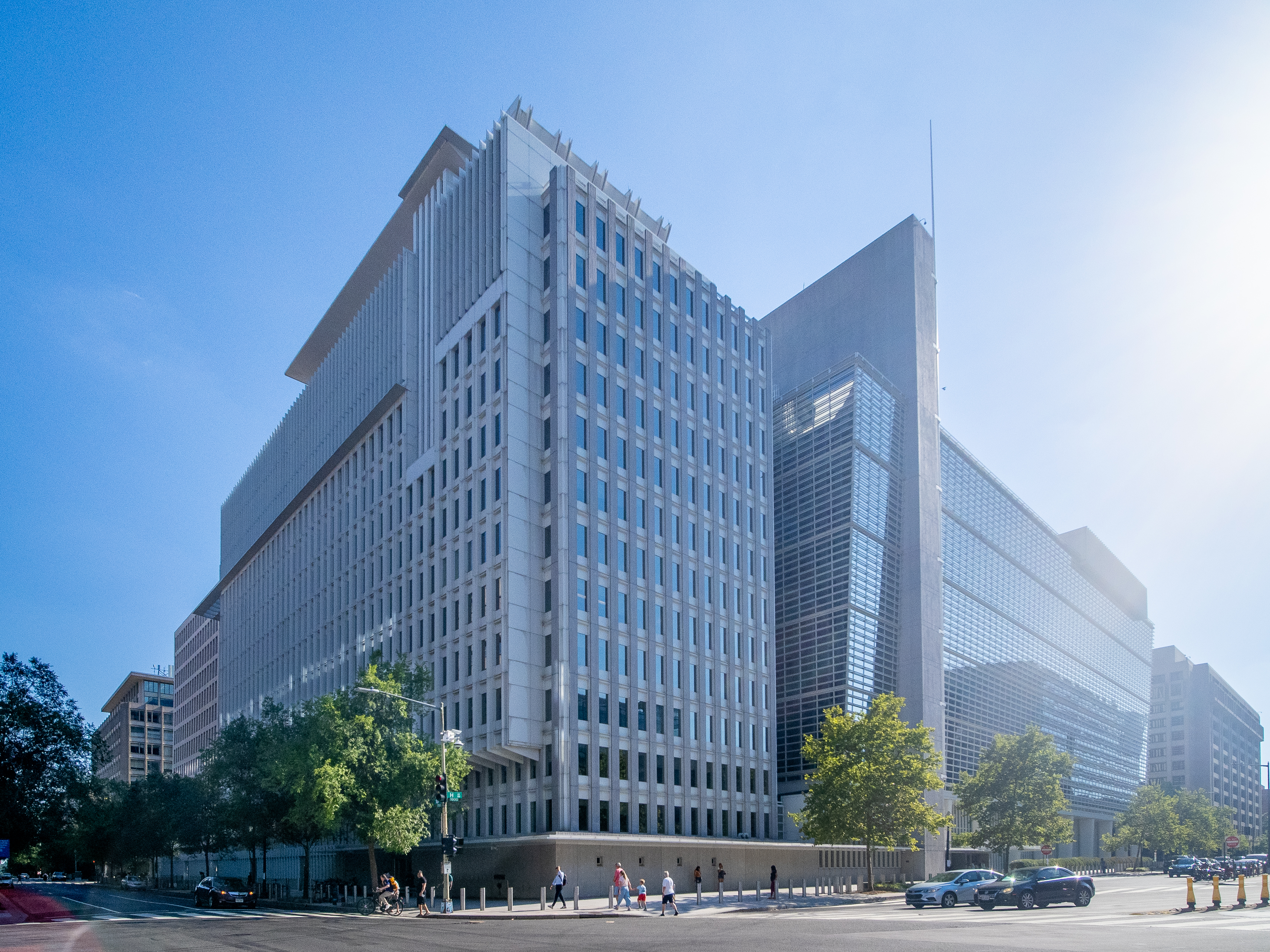
World Bank Group
Explore the key milestones and developments of the World Bank Group. Discover its impact on global development and poverty alleviation.