Person · Other

Friedrich Nietzsche

@friedrichnietzsche

Explore the key events in Friedrich Nietzsche's life and philosophy. Discover his impact on modern thought and culture through this detailed timeline.

Born October 15, 1844
Known as Philosopher, Poet, and Philologist
Röcken, Prussia, Kingdom of Prussia
Education
U
University of Bonn
U
University of Leipzig
16Events
56Years
1835
1840
1845
1850
1855
1860
1865
1870
1875
1880
1885
1890
1895
1900
1905
1841
1842
1843
1844
1846
1847
1848
1849
1851
1852
1853
1854
1856
1857
1858
1859
1861
1862
1863
1864
1866
1867
1868
1869
1871
1872
1873
1874
1876
1877
1878
1879
1881
1882
1883
1884
1886
1887
1888
1889
1891
1892
1893
1894
1896
1897
1898
1899
1901
1902
1903
1904
1906
25augustus
1900
25 augustus 1900

Death in Weimar

Friedrich Nietzsche died in Weimar on 25 August 1900 at the age of fifty-five after more than a decade of mental and physical decline. By the time of his death he was not yet the globally canonical figure he would later become, but his published works had already laid the foundation for enormous influence across philosophy, psychology, literature, theology, and political thought. His death closed a life marked by brilliant originality, isolation, illness, and controversy. The struggle over how to interpret his writings intensified afterward, especially as editors, disciples, and critics sought to define his intellectual inheritance.

01januari
1897
01 januari 1897

Moved to Weimar under his sister’s care

After years of incapacity in Basel and then Naumburg under his mother’s care, Nietzsche was moved to Weimar in 1897 following her death. There his sister Elisabeth Förster-Nietzsche became his guardian and controller of his literary estate. This transition was historically important because Elisabeth played a major role in editing, arranging, and sometimes distorting his unpublished papers for publication. The Weimar years therefore belong not only to Nietzsche’s last phase of life but also to the beginning of the contested posthumous construction of his legacy, reception, and misuse in the twentieth century.

03januari
1889
03 januari 1889

Mental collapse in Turin

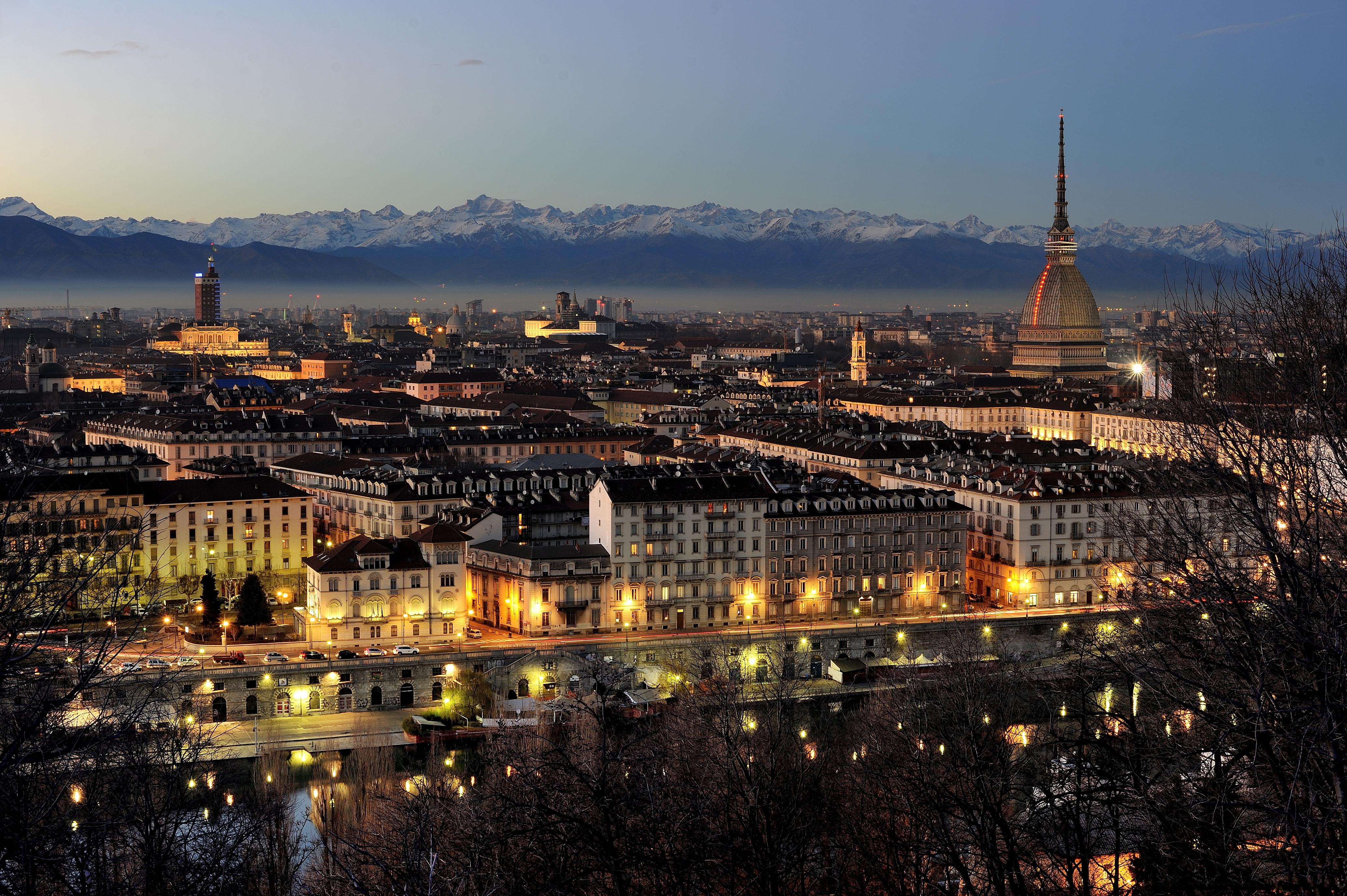
On 3 January 1889 Nietzsche suffered a catastrophic mental breakdown in Turin. The collapse effectively ended his productive intellectual life. Accounts of the exact incident differ in detail, but contemporaries agreed that he rapidly lost control of his faculties and soon sent a series of strikingly disturbed letters. His friend Franz Overbeck traveled to Italy and brought him back to Basel for psychiatric care. This event became one of the most discussed turning points in modern intellectual biography because it froze Nietzsche’s work at its height and contributed to the mythology surrounding his final years.

01januari
1888
01 januari 1888

Produces an extraordinary final burst of major works

The year 1888 was one of astonishing productivity. In quick succession Nietzsche completed works such as The Case of Wagner, Twilight of the Idols, The Antichrist, Ecce Homo, and Nietzsche contra Wagner. These writings sharpened his attacks on morality, Christianity, German culture, and Wagner while also presenting retrospective interpretations of his own intellectual mission. Although some books were published only later, 1888 stands as the culminating year of his conscious authorship. It shows a thinker at once intensely lucid, polemical, and increasingly close to the mental collapse that would abruptly end his active career.

01januari
1883
01 januari 1883

Begins publishing Thus Spoke Zarathustra

Between 1883 and 1885 Nietzsche published the four parts of Thus Spoke Zarathustra, the poetic-philosophical work often regarded as the central expression of his mature thought. In this text he developed and dramatized ideas associated with self-overcoming, the critique of herd morality, and the figure of the Übermensch. The work sold poorly at first and was difficult for many contemporaries, but it became one of the most influential books in modern philosophy and literature. Its prophetic style marked a bold break from ordinary academic discourse and showed Nietzsche forging a wholly original literary form.

13mei
1882
13 mei 1882

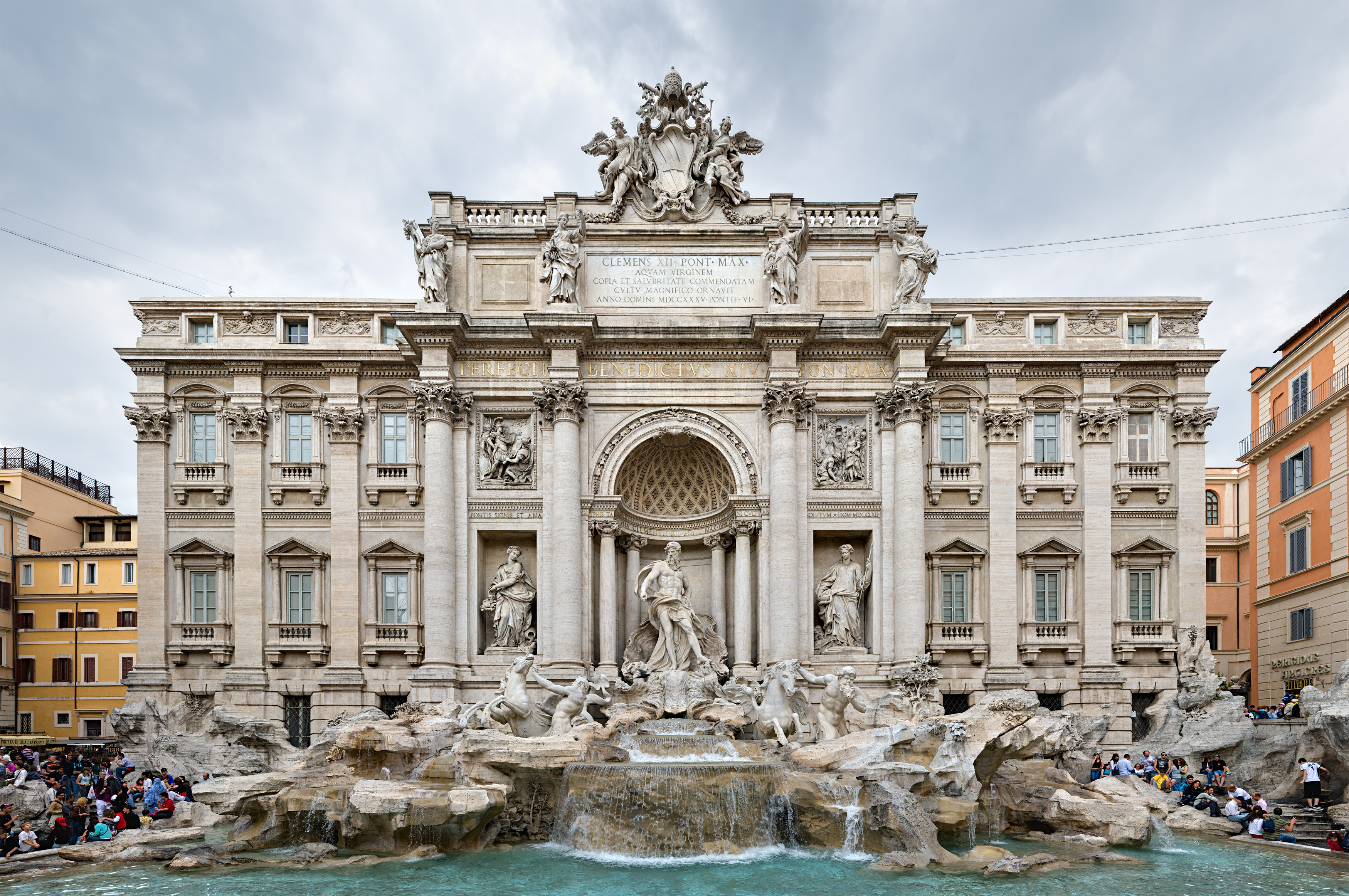
Meets Lou Andreas-Salomé in Rome

In 1882 Nietzsche met Lou Andreas-Salomé in Rome through mutual acquaintances, including Paul Rée. The encounter quickly became emotionally and intellectually significant. Nietzsche admired her intellect and envisioned a kind of philosophical companionship, but the relationship became strained amid personal tensions, rejected proposals, and conflict involving his sister Elisabeth. The episode mattered far beyond biography: it intensified his reflections on friendship, love, independence, and loneliness during a pivotal creative period. It also belongs to the human drama behind the extraordinary burst of writing that soon followed.

14juni
1879
14 juni 1879

Resigns from Basel because of ill health

On 14 June 1879 Nietzsche resigned his professorial chair at Basel after years of worsening migraines, eye trouble, digestive illness, and general physical exhaustion. The resignation ended his formal academic career while he was still relatively young, but it also opened the intensely productive independent phase of his life. Supported by a pension, he began living as an itinerant writer, moving between boarding houses and health resorts in Switzerland, Italy, and France. The break with university life freed him from institutional obligations and helped transform him from philologist into the fiercely original philosopher known today.

02januari
1872
02 januari 1872

Publishes The Birth of Tragedy

Nietzsche’s first major book, The Birth of Tragedy, appeared in 1872 and announced him as a thinker moving beyond conventional classical scholarship. The work argued that Greek tragedy arose from a tension between Apollonian form and Dionysian ecstasy, a contrast that became one of the most famous themes associated with his name. Although many professional classicists reacted critically, the book established his distinctive voice and tied his early philosophy closely to Wagnerian hopes for cultural rebirth through art. It was the first public sign that Nietzsche would not remain merely a technical philologist.

01augustus
1870
01 augustus 1870

Serves as a medical orderly in the Franco-Prussian War

After the outbreak of the Franco-Prussian War in 1870, Nietzsche obtained leave from Basel and served as a volunteer medical orderly. The experience exposed him directly to the suffering of wounded soldiers and to the grim realities of war rather than romantic patriotic abstraction. While accompanying a transport of the injured, he contracted dysentery and diphtheria, illnesses that damaged his already fragile health for the rest of his life. This episode is important because chronic pain, weakness, and recurring physical collapse became central conditions under which much of his later philosophy was written.

01februari
1869
01 februari 1869

Appointed professor at Basel at age 24

In 1869 Nietzsche received an extraordinary appointment as professor of classical philology at the University of Basel, an astonishing achievement for a scholar who had not followed the usual degree path. The University of Leipzig granted him a doctorate without dissertation or examination on the strength of his published work, and Basel moved quickly to secure him. This appointment established his public reputation and made him one of the youngest professors in Europe. It also placed him in Switzerland, where he developed both his academic career and the philosophical outlook that increasingly stretched beyond philology.

01november
1868
01 november 1868

Meets Richard Wagner

In late 1868 Nietzsche met the composer Richard Wagner, beginning one of the most important and complicated relationships of his life. Wagner quickly became for the young scholar a cultural hero who seemed to embody artistic genius, German renewal, and the union of music with philosophical seriousness. The friendship brought Nietzsche into an elite artistic circle and deeply influenced his early aesthetics. It also set the stage for a later rupture whose intellectual consequences were profound, as Nietzsche eventually defined part of his mature position in opposition to Wagnerian art, nationalism, and religiosity.

01oktober
1865
01 oktober 1865

Transfers to Leipzig and turns decisively to philology

Nietzsche transferred to the University of Leipzig in 1865 to continue classical philology under the influential scholar Friedrich Ritschl. During this period he moved further away from theology and toward the study of language, antiquity, and culture. Leipzig also became the setting for major intellectual discoveries, including his encounter with the philosophy of Arthur Schopenhauer, which left a lasting impression on his early thought. The transfer was decisive because it placed him on the path to an unusually rapid academic rise and connected him to the scholarly networks that launched his career.

01oktober
1864
01 oktober 1864

Enrolls at the University of Bonn

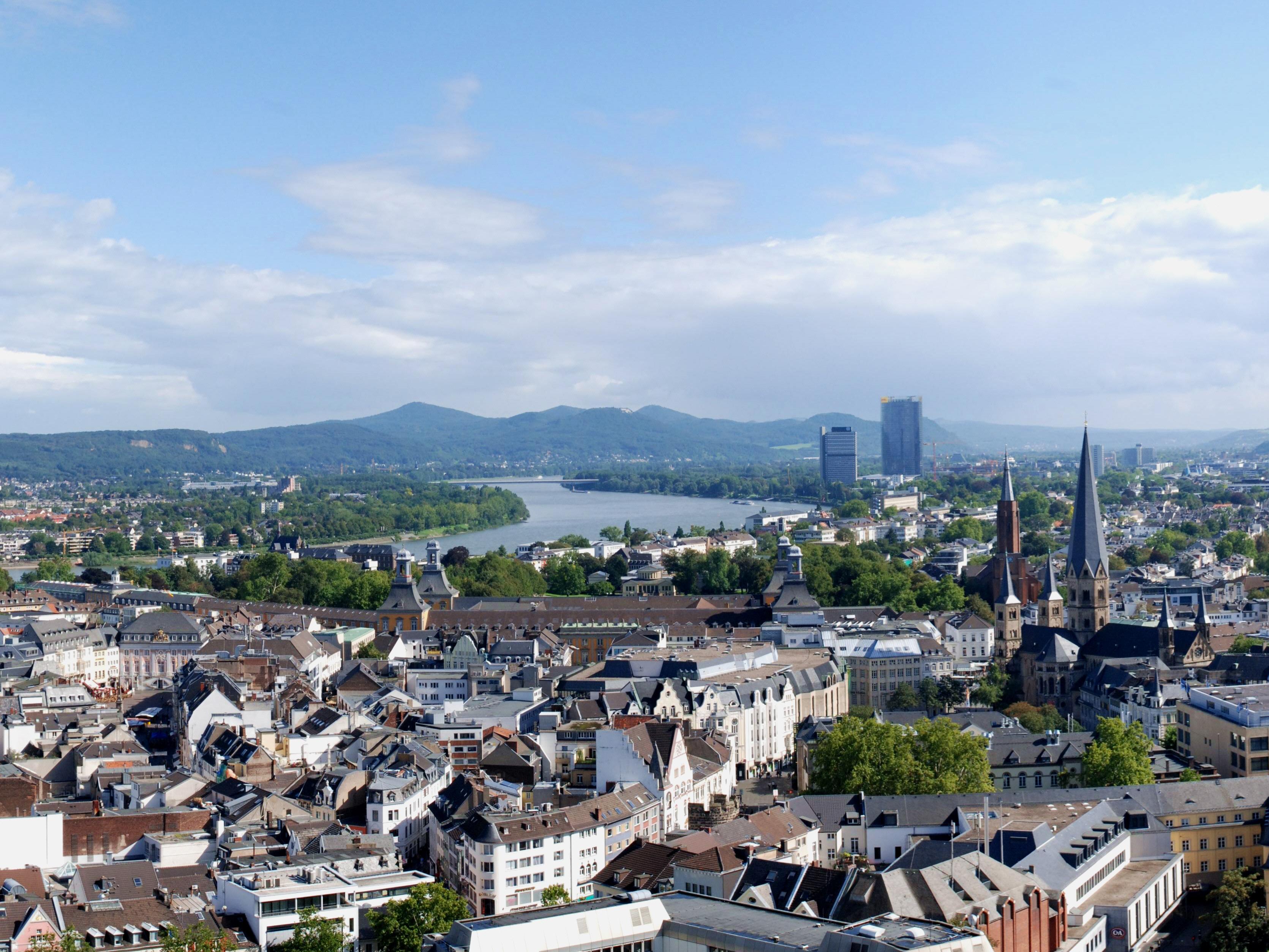
After completing his schooling, Nietzsche began university study at Bonn in 1864, initially focusing on theology and classical philology. His brief theological enrollment is significant because it illustrates the transitional phase between his religious upbringing and the increasingly radical independence of mind that would define his mature work. Although Bonn did not hold him long, the experience marked the beginning of his formal higher education and his movement into the academic world of nineteenth-century German scholarship.

01januari
1858
01 januari 1858

Begins study at Schulpforta

In 1858 Nietzsche entered the renowned boarding school Schulpforta on scholarship. The school was famous for its severe discipline and rigorous humanistic curriculum, especially in Greek and Latin. His years there gave him the philological training that would shape his early academic career and also exposed him to a demanding intellectual culture beyond his provincial upbringing. At Schulpforta he developed literary ambitions, deepened his reading of classical antiquity, and formed habits of scholarship that later underpinned both his university work and his philosophical writing.

01januari
1849
01 januari 1849

Death of his father and early family upheaval

When Nietzsche was still a small child, his father died after a severe illness in 1849, and the following year his younger brother also died. These losses transformed the family’s circumstances and left Nietzsche to grow up in a household dominated by women, including his mother, grandmother, and aunts. Biographers often treat this period as crucial to understanding the emotional intensity, loneliness, and sensitivity that marked both his youth and his later reflections on suffering, strength, and the formation of character.

15oktober
1844
15 oktober 1844

Birth in Röcken

Friedrich Wilhelm Nietzsche was born on 15 October 1844 in the village of Röcken in the Prussian Province of Saxony. He entered a Protestant household headed by his father Carl Ludwig Nietzsche, a Lutheran pastor, and his mother Franziska. This provincial religious setting formed the backdrop against which many of his later critiques of Christianity and morality would develop. His birth in a rural parsonage has become an important point of origin in intellectual history because his later writings would challenge many of the values that structured his childhood world.

Frequently asked questions about Friedrich Nietzsche

Discover commonly asked questions regarding Friedrich Nietzsche. If there are any questions we may have overlooked, please let us know.

What is Nietzsche's philosophy known for?

What is Nietzsche's legacy?

What are Nietzsche's most important works?

Who was Friedrich Nietzsche?