French Revolution
@frenchrevolution1789 — 1799
Explore key events of the French Revolution, from the storming of the Bastille to the rise of Napoleon. Discover history in a new way!
Frequently asked questions about French Revolution
Discover commonly asked questions regarding French Revolution. If there are any questions we may have overlooked, please let us know.
What was the significance of the French Revolution?
What were the main causes of the French Revolution?
What is the legacy of the French Revolution?
What were the key events during the French Revolution?
Related Timepaths
People, places and organizations that appear in French Revolution’s events

France
Explore the rich and diverse history of France through a detailed timeline. Discover key events, cultural shifts, and significant milestones that have shaped France from ancient times to the modern era.

Paris
Explore the rich history of Paris through a curated timeline highlighting significant events, from its ancient origins and medieval developments to its role in the modern world. Discover how Paris transformed into a global center of art, culture, and politics.
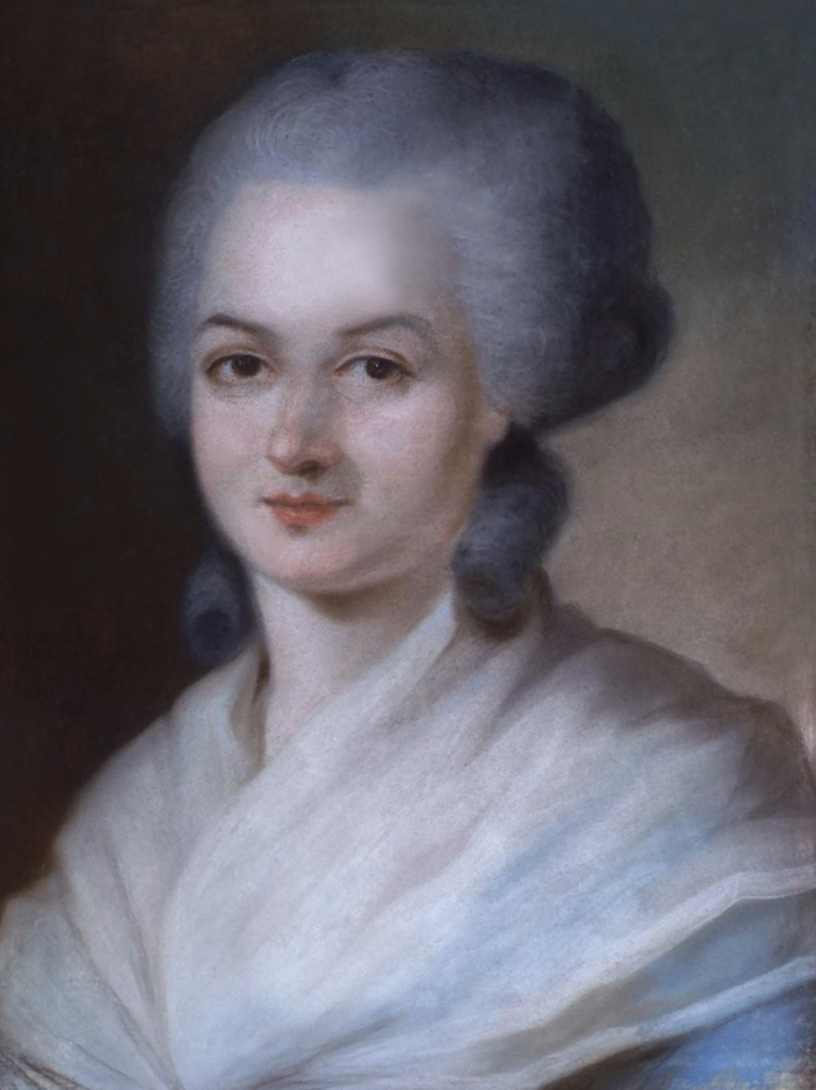
Olympe de Gouges
Explore the pivotal moments in Olympe de Gouges' life and her impact on women's rights and the French Revolution. Discover her legacy now!

Mary Wollstonecraft
Explore the key events in Mary Wollstonecraft's life, her revolutionary ideas, and her impact on women's rights. Discover her legacy today!
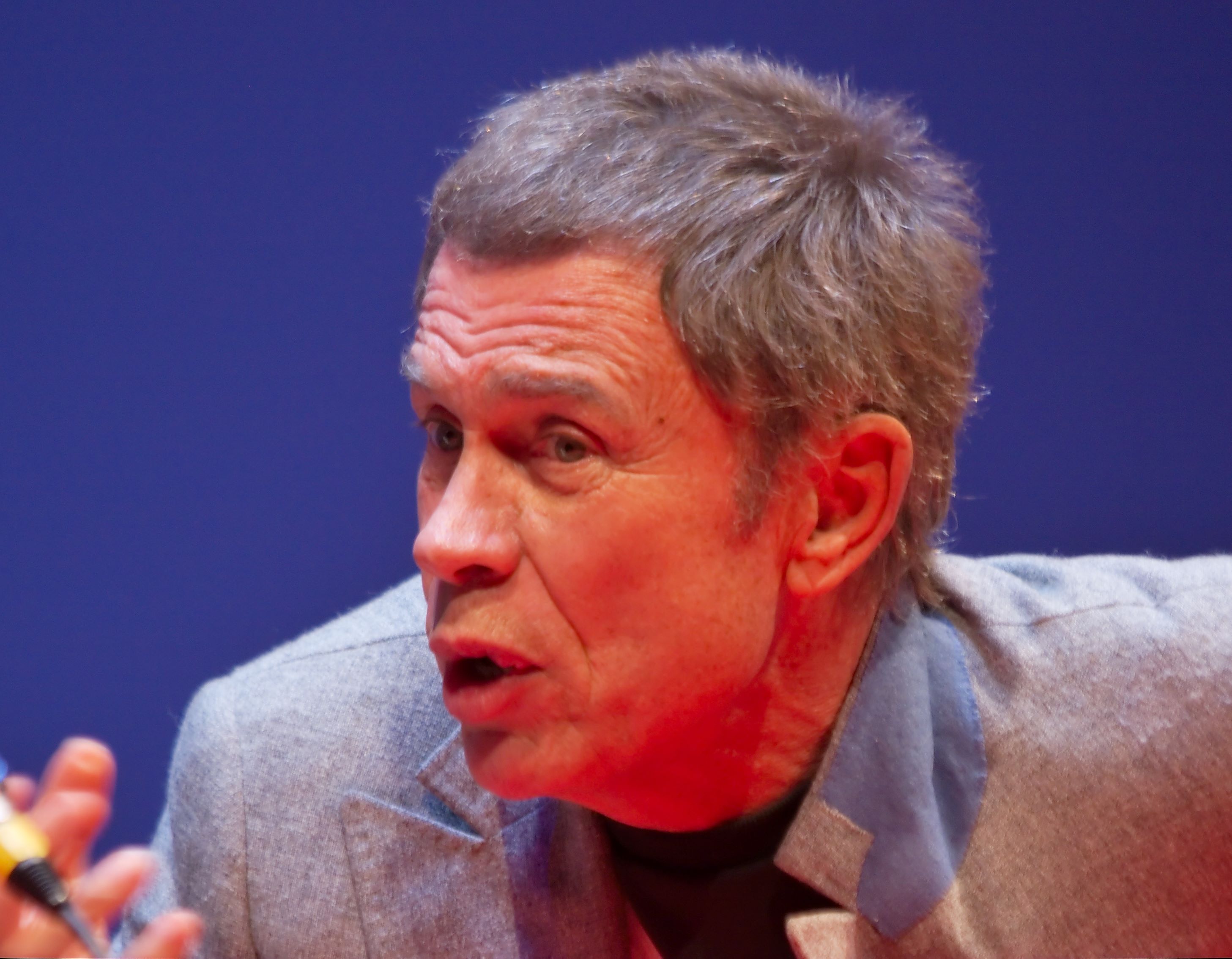
Jean-Paul Goude
Explore the dynamic timeline of Jean-Paul Goude, the renowned French graphic designer, illustrator, photographer, and advertising film director. From his early beginnings in Paris to his iconic collaborations with Grace Jones and revolutionary work in advertising, discover the milestones that define his influential career and creative evolution.

Thomas Jefferson
Explore the significant events in Thomas Jefferson's life with this comprehensive timeline. From drafting the Declaration of Independence to his presidency, discover the key moments that shaped Jefferson's political career and his legacy as a Founding Father of the United States.

Grenoble
Explore the rich history of Grenoble, from its ancient beginnings as Cularo in Roman times, through its medieval growth and industrial revolution, to its present-day status as a hub of technology and innovation. This timeline captures the key events and transformations that have shaped Grenoble into the dynamic city it is today.
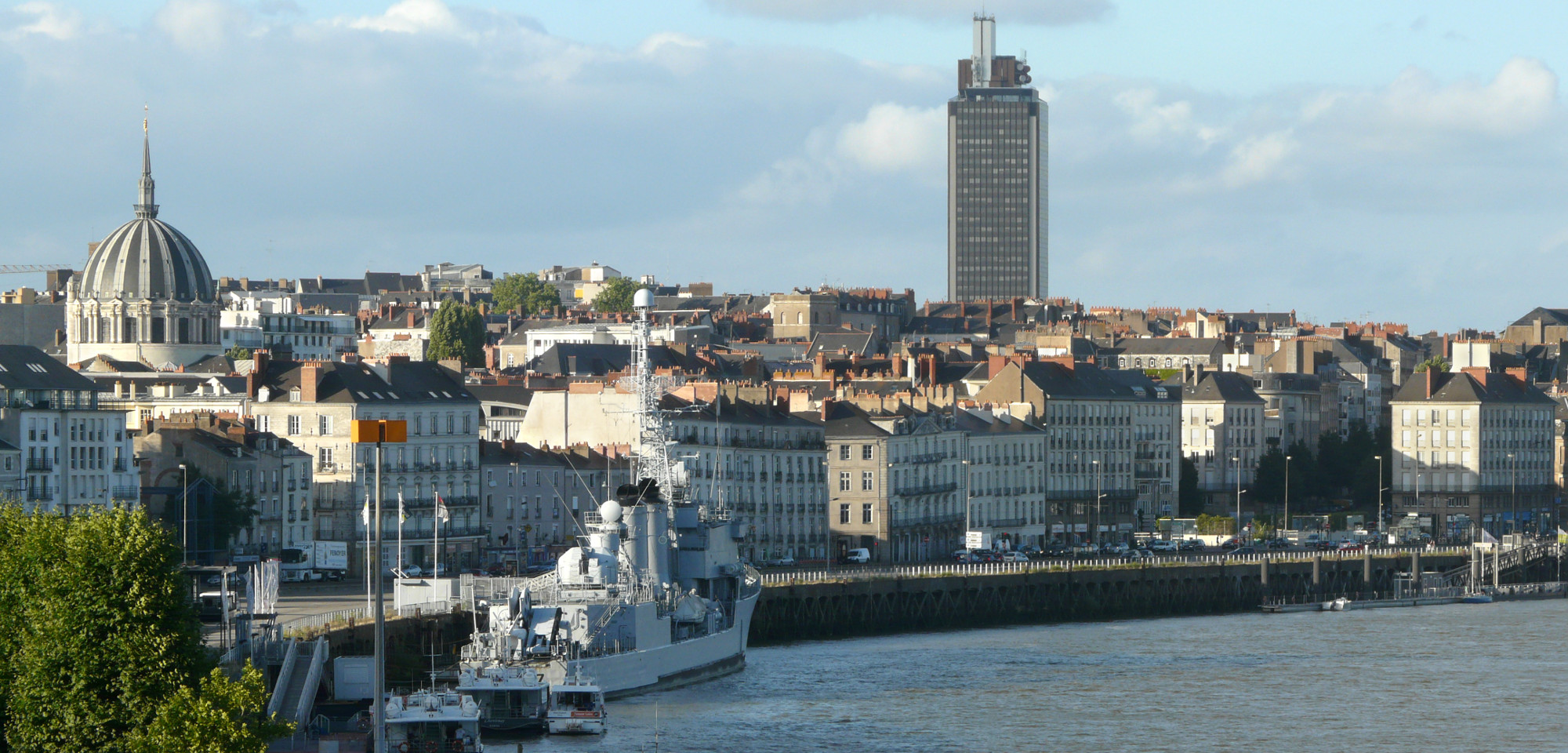
Nantes
Explore the rich history of Nantes through this detailed timeline. From its origins as a Gallic settlement to its development into a thriving city, discover key events that have shaped Nantes over the centuries, including significant milestones in trade, culture, and politics.

Besançon
Explore the rich timeline of Besançon, a city with a fascinating history. From its Roman origins as Vesontio to its status as the capital of Franche-Comté, discover key events, cultural milestones, and historical figures that shaped Besançon into the vibrant city it is today.

Napoli
Explore the rich history of Napoli through our detailed timeline. From its founding in ancient times to its development as a major cultural and economic hub in Italy, discover key events that have shaped Naples over the centuries.