Explore the pivotal moments in Florence Nightingale's life and her impact on nursing and healthcare. Discover her legacy today!
Florence Nightingale passed away on August 13, 1910, at the age of 90, in London, England. Her legacy as the founder of modern nursing endures, with her contributions to healthcare reform and nursing education continuing to influence the field. Nightingale's commitment to improving patient care remains an inspiration worldwide.
In 1907, Florence Nightingale became the first woman to be awarded the Order of Merit, a highly prestigious honor in the United Kingdom. This recognition was a testament to her groundbreaking contributions to nursing and healthcare, and her influence on public health reform both in Britain and internationally.
In 1883, Florence Nightingale was awarded the Royal Red Cross by Queen Victoria. This prestigious award recognized her exceptional services to the military nursing profession. Nightingale's dedication to improving healthcare and her pioneering work in nursing made her a celebrated figure in Britain and beyond.
On June 24, 1860, the Nightingale Training School for Nurses was established at St. Thomas' Hospital in London. Funded by the Nightingale Fund, it was the first secular nursing school in the world. The school set high standards for nursing education and trained many nurses who went on to spread Nightingale's principles globally.
In 1859, Florence Nightingale published 'Notes on Nursing: What It Is, and What It Is Not.' This seminal work outlined her principles of nursing and emphasized the importance of sanitation, proper ventilation, and compassionate care. It became an essential text for nursing education and helped establish nursing as a respected profession.
Florence Nightingale returned to England in July 1856 after the end of the Crimean War. She was celebrated as a national hero for her work in improving the conditions for wounded soldiers. Her efforts were recognized by Queen Victoria, and she received numerous accolades for her contributions to nursing and healthcare.
During the Crimean War, Florence Nightingale introduced sanitary reforms that drastically reduced the mortality rate among soldiers. Her implementation of hygiene practices, such as regular handwashing and proper waste disposal, highlighted the importance of sanitation in medical care and set new standards for hospitals.
On October 21, 1854, Florence Nightingale departed for the Crimean War with a team of 38 nurses. Responding to reports of appalling conditions for wounded soldiers, she aimed to improve sanitation and care. Her efforts significantly reduced the death rate and established her reputation as a pioneering nurse.
In 1853, Florence Nightingale became the superintendent of the Institution for Sick Gentlewomen in Distressed Circumstances in London. This role allowed her to implement her ideas on hospital management and patient care, gaining valuable experience that would later influence her work during the Crimean War.
In 1851, Florence Nightingale underwent formal training in nursing at the Institute of Protestant Deaconesses in Kaiserswerth, Germany. This experience was crucial in shaping her understanding of hospital administration and patient care, laying the groundwork for her future contributions to nursing.
In 1837, at the age of 17, Florence Nightingale experienced what she described as a 'call from God' to serve others. This profound spiritual experience convinced her that she was meant to pursue a life of service, particularly in the field of nursing, despite societal expectations for women of her status.
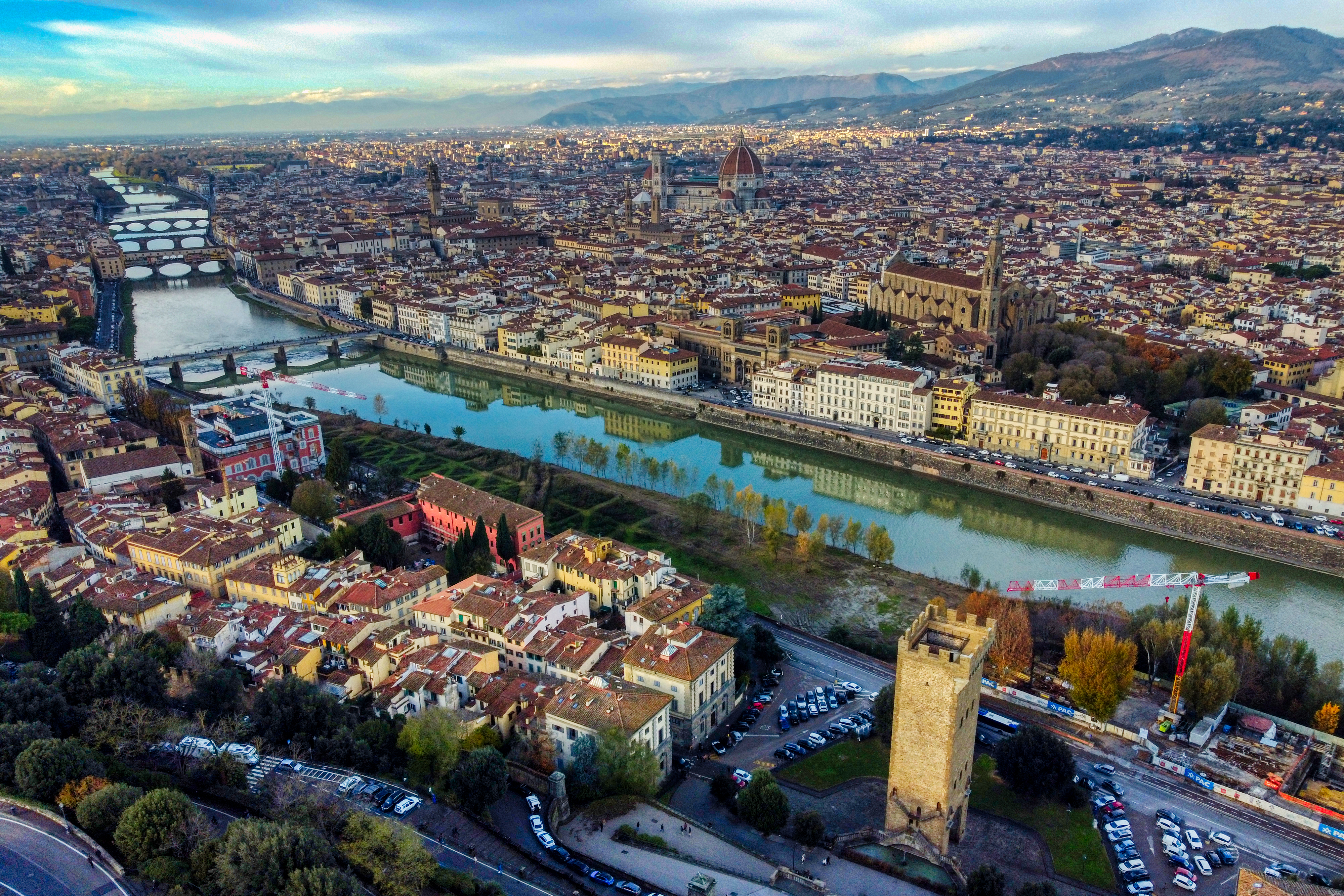
Florence Nightingale was born on May 12, 1820, in Florence, Italy. She was named after the city of her birth. Her family was wealthy and well-connected, providing her with a privileged upbringing. From a young age, Nightingale showed a keen interest in helping others, which later influenced her career in nursing.
Discover commonly asked questions regarding Florence Nightingale. If there are any questions we may have overlooked, please let us know.
Who was Florence Nightingale?
What is Florence Nightingale's legacy?
What is the significance of Florence Nightingale's work?
What are some key facts about Florence Nightingale?
More Timepaths connected to Florence Nightingale