Cultural Revolution
@culturalrevolution1966 — 1981
Explore the key events and impacts of the Cultural Revolution. Discover how this pivotal period shaped modern China. Click to learn more!
Frequently asked questions about Cultural Revolution
Discover commonly asked questions regarding Cultural Revolution. If there are any questions we may have overlooked, please let us know.
What were some key events during the Cultural Revolution?
What were the main causes of the Cultural Revolution?
What was the Cultural Revolution?
What is the legacy of the Cultural Revolution?
Related Timepaths
People, places and organizations that appear in Cultural Revolution’s events
China
Explore the comprehensive timeline of China's rich history, featuring key events, dynasties, and milestones from ancient times to the modern era. Discover the cultural, political, and economic developments that shaped China into the nation it is today.

Beijing
Explore the rich and vibrant history of Beijing through this comprehensive timeline. From its ancient origins and imperial dynasties to its role as a modern capital, discover the key events and milestones that have shaped Beijing into the city it is today.

Mao Zedong
Explore the pivotal moments in Mao Zedong's life and leadership. Discover his impact on China through our detailed timeline.

Zhou Enlai
Explore the significant events in Zhou Enlai's life and career. Discover his impact on China and world history through this detailed timeline.
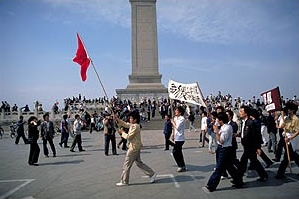
1989 Tiananmen Square protests and massacre
Explore the timeline of the 1989 Tiananmen Square protests and massacre, detailing key events and their impact on history.

Mongolia
Explore the rich and complex history of Mongolia through this detailed timeline, from its early beginnings and the rise of the Mongol Empire under Genghis Khan to modernity. Discover key historical events, cultural milestones, and significant transformations that have shaped Mongolia throughout the centuries.

Xi Jinping
Explore the significant events in Xi Jinping's leadership journey, from his rise to power to pivotal policies shaping China today.

Peking University
Explore the rich history and significant milestones of Peking University, one of China's most prestigious institutions, from its founding in 1898 to its present-day achievements. Discover the university's evolution through various political, social, and cultural changes over the decades.

Shanghai
Explore the rich history of Shanghai through a detailed timeline. Discover key events and transformations that shaped Shanghai into the vibrant and dynamic city it is today, starting from its ancient origins, through the colonial era, and into its rise as a global financial hub.

Wuhan
Explore the comprehensive timeline of Wuhan, a city with rich history and significant transformations. From its founding to modern developments, understand Wuhan's role in regional and global contexts, including its recent emergence in the global spotlight.