Claude Monet
@claudemonet1840 — 1926
Explore the timeline of Claude Monet, the father of Impressionism. Delve into his life from his early days in Paris, his groundbreaking art movements, and his iconic masterpieces such as 'Water Lilies'. Discover the chronology of his artistic evolution, personal milestones, and lasting impact on the world of art.
Frequently asked questions about Claude Monet
Discover commonly asked questions regarding Claude Monet. If there are any questions we may have overlooked, please let us know.
How did Claude Monet's experiences in different regions influence his artwork?
What challenges did Claude Monet face during his lifetime?
What were the major milestones in Claude Monet's art career?
When did Claude Monet paint his famous 'Water Lilies' series?
Related Timepaths
People, places and organizations that appear in Claude Monet’s events
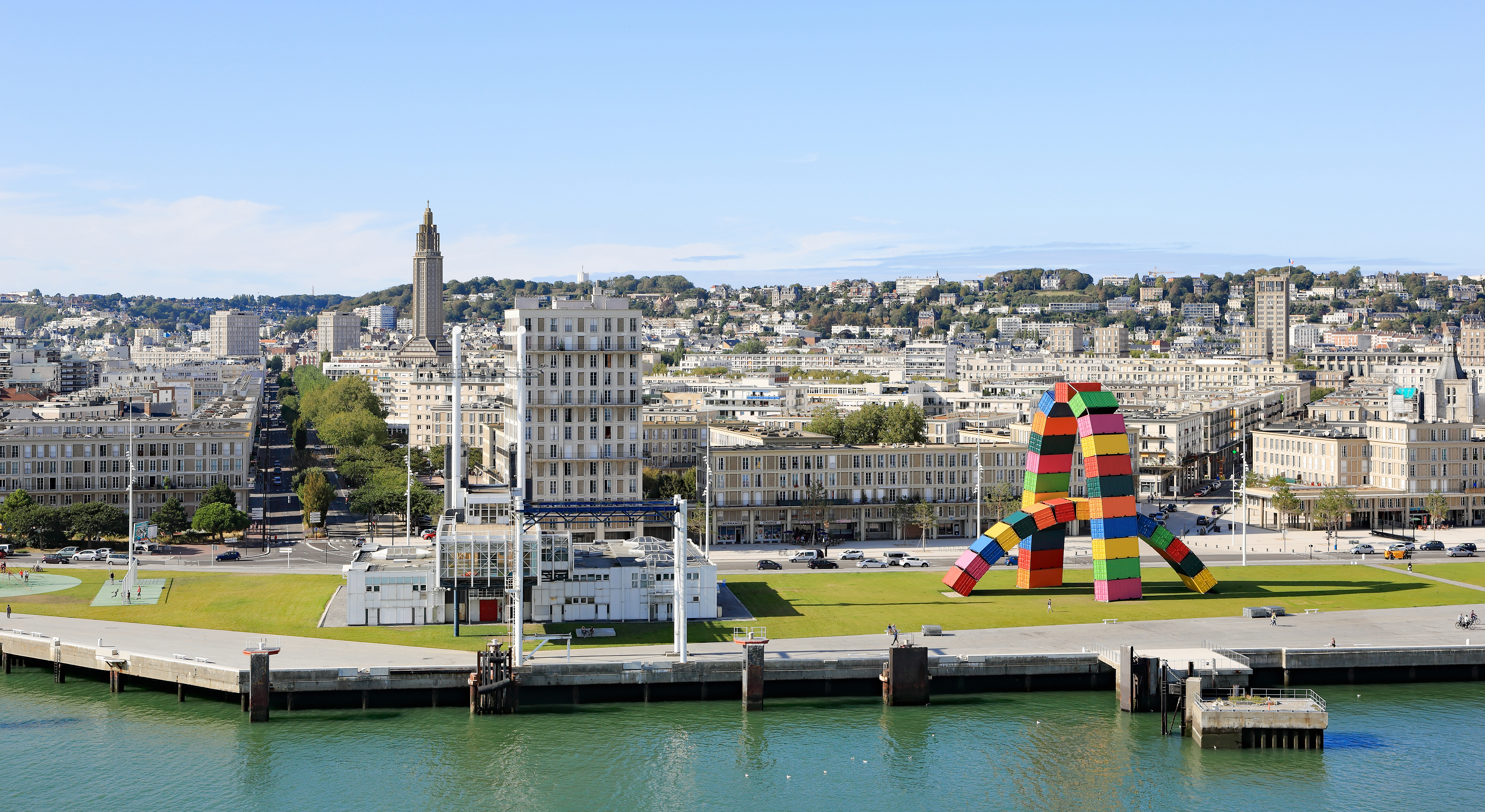
Le Havre
Explore the rich history of Le Havre with this comprehensive timeline, detailing key events and milestones from its founding in 1517 to its development as a major French port city. Discover the pivotal moments that shaped Le Havre's growth, including its role in maritime trade, significant events during World War II, post-war reconstruction efforts, and its recognition as a UNESCO World Heritage site.

Paris
Explore the rich history of Paris through a curated timeline highlighting significant events, from its ancient origins and medieval developments to its role in the modern world. Discover how Paris transformed into a global center of art, culture, and politics.

Camille Pissarro
Explore the timeline of Camille Pissarro, a pioneering Impressionist artist. Discover key events in his life, from his early years and artistic influences to his contributions to Impressionism and legacy in the art world.

Nadar
Explore the comprehensive timeline of the Nadar community, tracing their historical roots, significant milestones, and cultural evolution over the centuries. Delve into their contributions to society, economic transformations, and pivotal moments that have shaped their identity in the social fabric.

Alfred Sisley
Explore the timeline of Alfred Sisley, a renowned Impressionist painter known for his landscape paintings. This timeline details his life, artistic developments, key works, and his contributions to the Impressionist movement from his birth in 1839 to his death in 1899.

Eugene
Explore the comprehensive timeline of Eugene, highlighting significant events and milestones that have shaped its history. From its founding, development, and cultural evolution, delve into the rich past of Eugene and its impact on the present.

Edgar Degas
Explore the timeline of Edgar Degas, a pioneering French artist known for his exceptional work in painting, sculpture, and drawing. Discover the significant events and artistic milestones in Degas's life, from his early years and education, through his influential contributions to Impressionism, to his later years. Learn about the evolution of his unique style and the legacy he left behind in the art world.
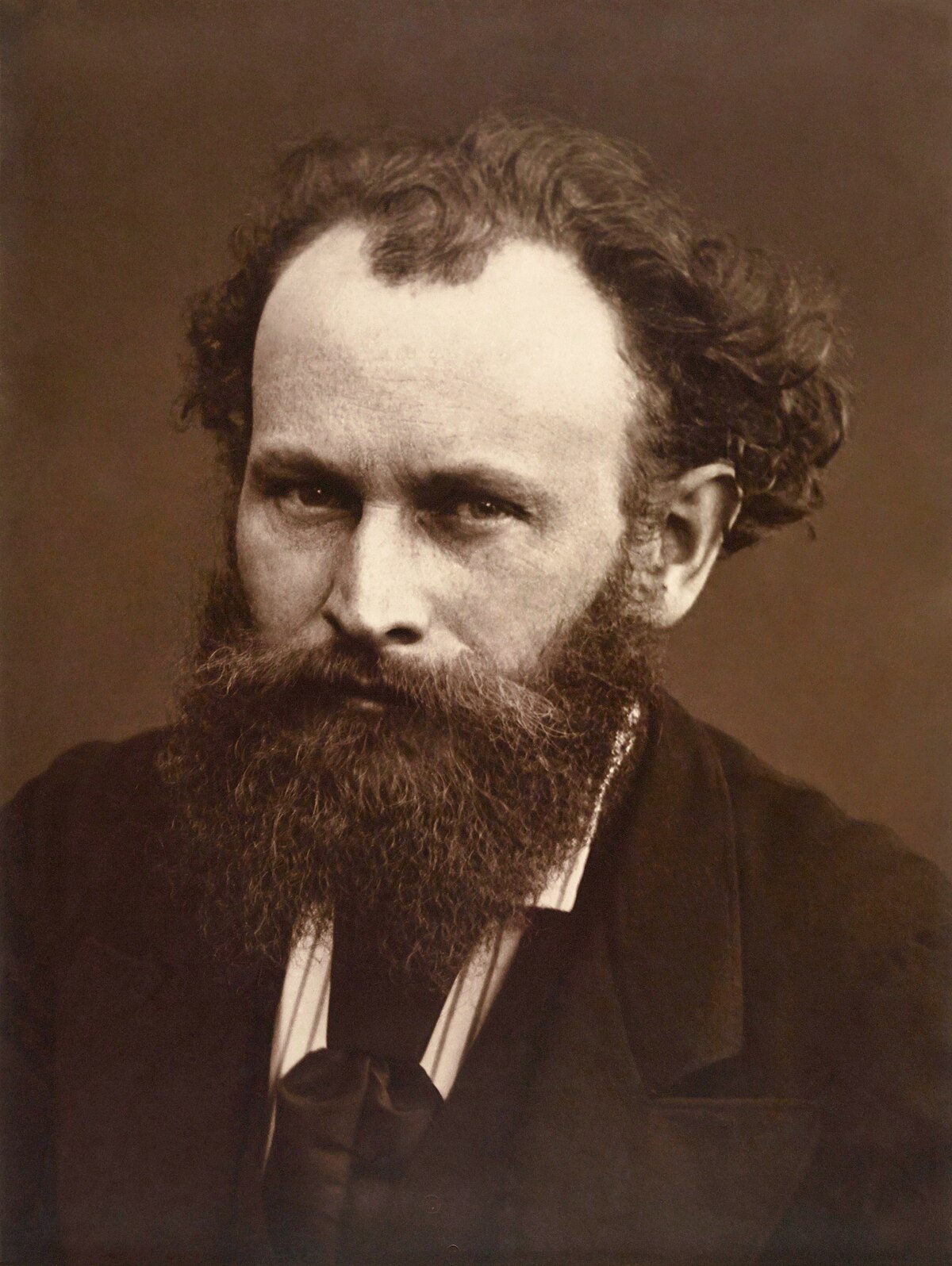
Édouard Manet
Explore the timeline of Édouard Manet, a pioneering figure in modern art. Discover key events and milestones in his life, including his revolutionary works, influence on Impressionism, and lasting legacy in the art world.

Jean-François Millet
Explore the chronological journey of Jean-François Millet, the renowned French painter known for his depictions of peasant life. This timeline captures key events in his life and career, highlighting his contributions to the Realism art movement in the 19th century.