Explore the pivotal events of the Civil Rights Movement. Discover key milestones and figures that shaped the fight for equality.
Signed into law on April 11, 1968, days after King’s assassination, the Fair Housing Act prohibited discrimination in the sale, rental, and financing of housing. It addressed one of the most stubborn and consequential forms of racial inequality, since segregated housing shaped access to schools, jobs, public services, and wealth accumulation. The law represented both an expansion of the civil rights agenda and an acknowledgment that legal equality in public spaces and voting had not dismantled structural discrimination. Although enforcement proved uneven and housing segregation persisted, the act marked a major milestone in the movement’s attempt to confront inequality beyond the Jim Crow South.
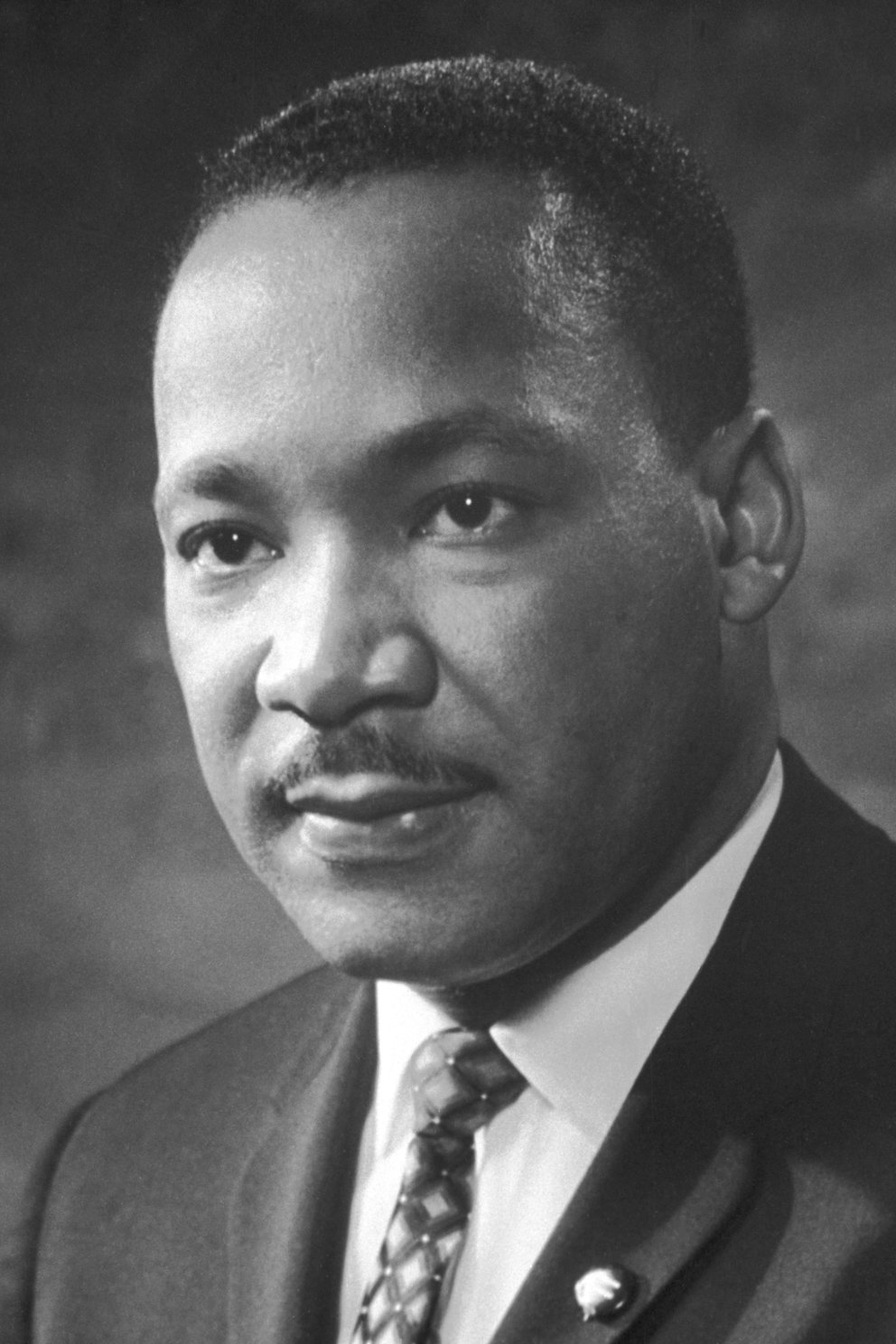
On April 3, 1968, Martin Luther King Jr. returned to Memphis, Tennessee, where Black sanitation workers had been striking over dangerous conditions, low pay, and lack of union recognition. The strike showed how the movement had broadened from desegregation and voting rights to economic justice and dignity at work. King’s appearance underscored his belief that racial equality could not be separated from labor rights and poverty. The campaign became especially significant because it connected local workplace grievances to the national unfinished agenda of the civil rights movement, revealing how inequality persisted even after landmark federal legislation.
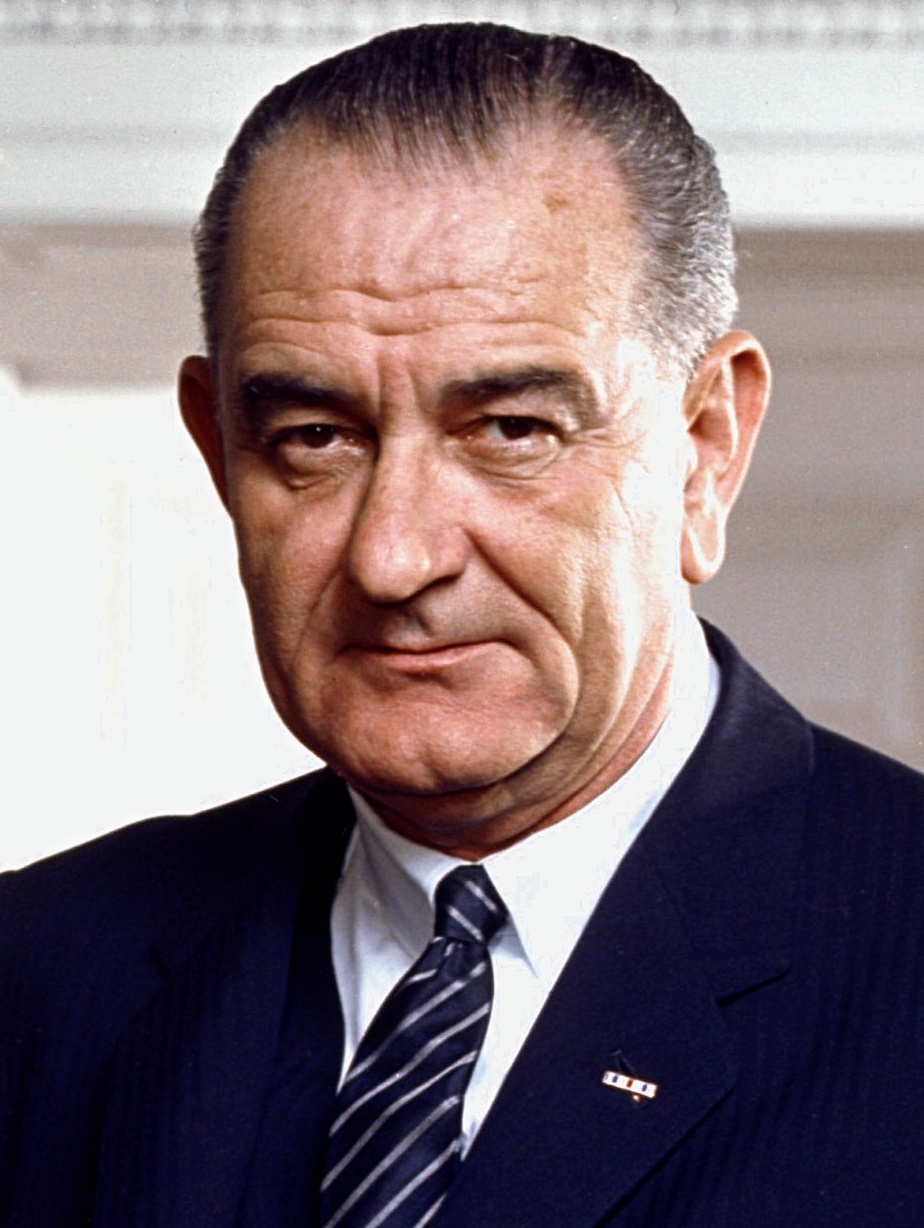
On August 6, 1965, President Johnson signed the Voting Rights Act into law, establishing the federal government’s strongest protections yet against racial discrimination in voting. The act outlawed literacy tests and authorized federal oversight and examiners in jurisdictions with entrenched histories of suppression. It transformed southern politics by helping millions of Black citizens register and vote, reshaped representation at every level of government, and became one of the central achievements of the civil rights era. The law was the direct product of generations of struggle, but especially of the organizing and violence that had recently unfolded in Selma and surrounding counties.
On March 7, 1965, voting-rights marchers leaving Selma, Alabama, were attacked by state troopers and local law enforcement on the Edmund Pettus Bridge in a brutal confrontation that became known as Bloody Sunday. Television footage of peaceful demonstrators being beaten and tear-gassed brought the realities of voter suppression into homes across the country. The attack turned Selma into a national crisis, strengthened support for federal intervention, and helped create the political conditions for major new voting-rights legislation. It remains one of the clearest examples of how spectacle, sacrifice, and media exposure altered the course of the movement.
Signed by President Lyndon B. Johnson on July 2, 1964, the Civil Rights Act of 1964 became the most sweeping civil rights law since Reconstruction. It banned discrimination in public accommodations, strengthened school desegregation enforcement, and prohibited employment discrimination on the basis of race, color, religion, sex, or national origin. The law did not end racial inequality, but it gave the federal government far greater authority to challenge segregation and opened new legal avenues for activists. Its passage represented the combined impact of years of grassroots organizing, strategic litigation, and the political shock created by highly publicized southern violence.
During Freedom Summer, a 1964 campaign to expand Black voter registration and political participation in Mississippi, the disappearance and murder of James Chaney, Andrew Goodman, and Michael Schwerner on June 21 exposed the lethal violence facing civil rights organizers. The broader project involved schools, community centers, and local organizing aimed at breaking white supremacy’s grip on political life in one of the most violently segregated states. National attention to the murders and to Mississippi’s repressive system intensified pressure for stronger federal protection of civil and voting rights, while also revealing the immense risks borne by local Black communities and volunteers.
The March on Washington for Jobs and Freedom on August 28, 1963, brought hundreds of thousands of people to the National Mall in the nation’s capital to demand civil rights legislation, equal employment opportunity, and an end to racial discrimination. The event was one of the largest political demonstrations in U.S. history and symbolized the movement’s ability to build broad interracial and interfaith coalitions. Martin Luther King Jr.’s concluding speech became iconic, but the march also reflected years of organizing by labor leaders, religious groups, and civil rights organizations seeking both economic justice and formal legal equality.
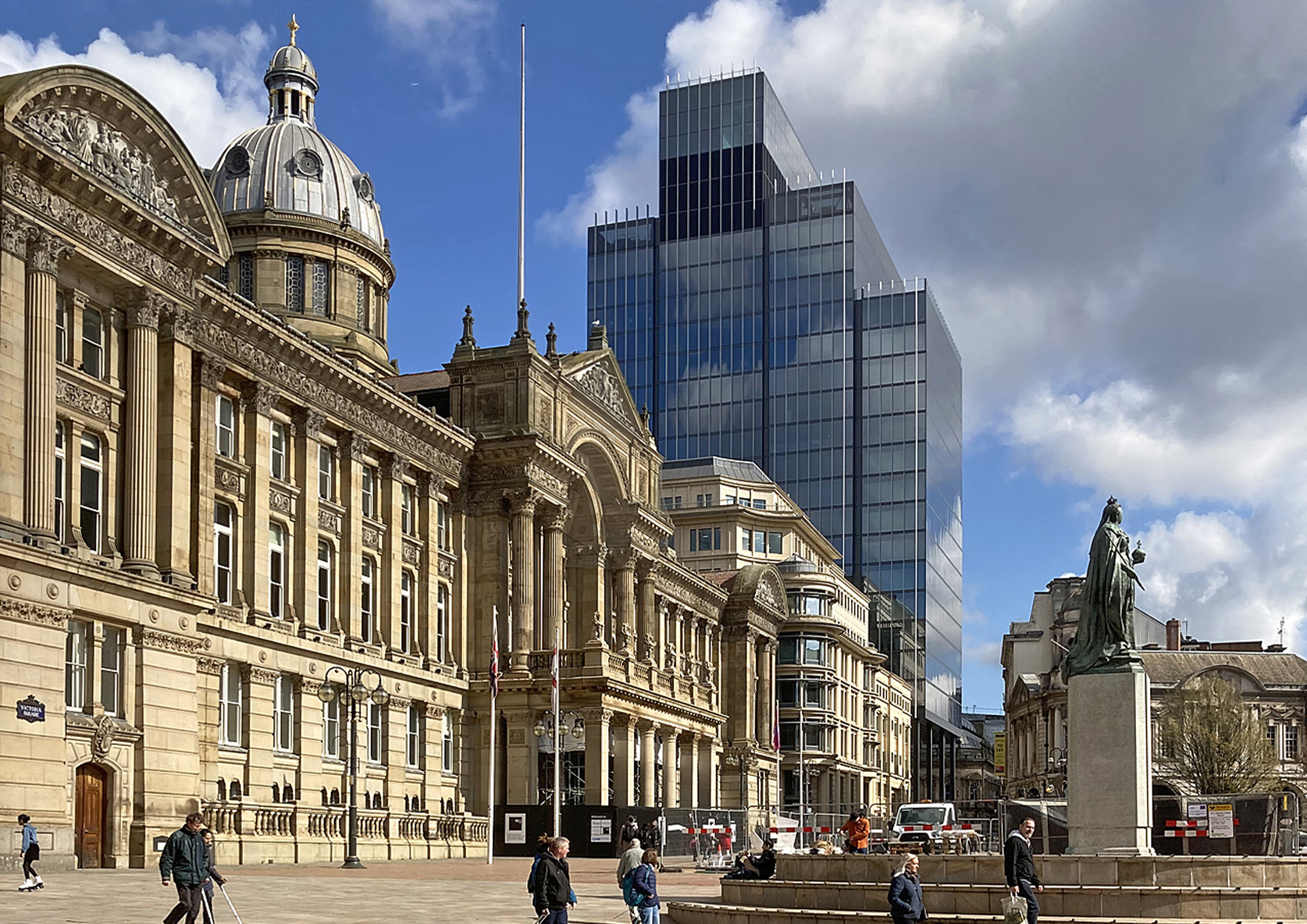
Beginning on May 2, 1963, hundreds and then thousands of Black schoolchildren joined demonstrations in Birmingham, Alabama, as part of a broader campaign against segregation. Images of police dogs, fire hoses, and mass arrests used against children shocked television audiences across the United States and abroad. The Birmingham campaign became a turning point because it stripped away claims that segregation could be maintained peacefully and pushed the Kennedy administration toward stronger civil rights legislation. It also demonstrated how local confrontation, media coverage, and sustained nonviolent pressure could reshape national politics.
On May 4, 1961, interracial groups of activists left Washington, D.C., on buses bound for the Deep South to test federal rulings that had outlawed segregation in interstate bus travel and terminals. Known as the Freedom Riders, they encountered savage violence, arrests, and official indifference, especially in Alabama and Mississippi. Their campaign exposed the gap between federal law and southern practice, forced the Kennedy administration to respond more decisively, and brought international attention to racial injustice in the United States during the Cold War. The rides also deepened cooperation among civil rights organizations while revealing strategic tensions within the movement.
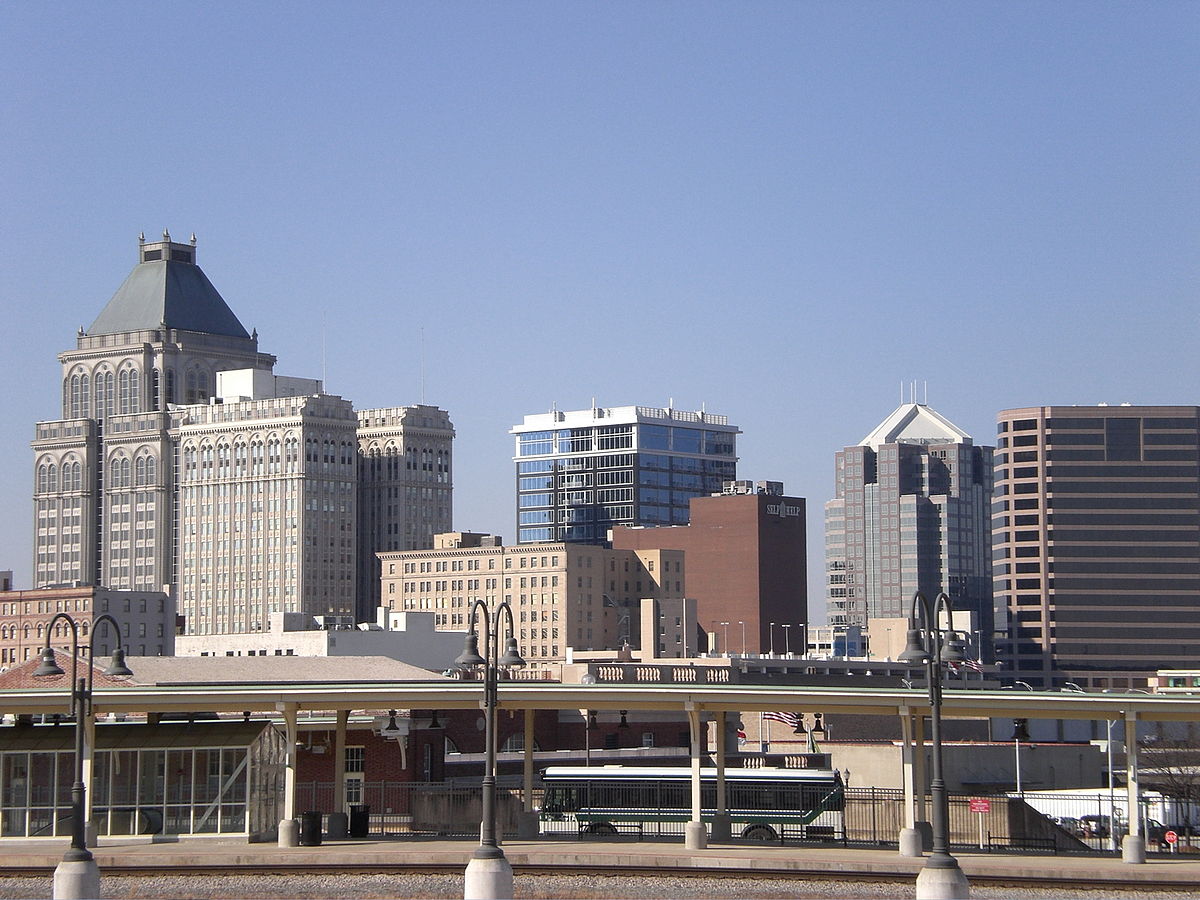
On February 1, 1960, four Black college students sat at a segregated Woolworth lunch counter in Greensboro, North Carolina, and politely requested service, beginning one of the most influential direct-action campaigns of the movement. Their protest spread rapidly to other cities as students adopted sit-ins to challenge segregated public accommodations. The Greensboro action energized a younger generation of activists, helped stimulate the formation and growth of student-led organizing, and showed how ordinary people could dramatize injustice through disciplined nonviolence. It marked a shift from primarily courtroom-centered strategies toward highly visible, participatory protest.
After weeks of confrontation in Little Rock, Arkansas, the Little Rock Nine entered Central High School on September 25, 1957, protected by federal troops sent by President Dwight D. Eisenhower. The crisis began when Arkansas officials and white mobs tried to block Black students from attending the previously all-white school despite federal court orders. The event showed that school desegregation would not proceed peacefully without federal enforcement, and it highlighted the gulf between Supreme Court rulings and conditions on the ground. Little Rock became a defining test of whether the federal government would actively uphold civil rights.
On December 5, 1955, Black residents of Montgomery, Alabama, began a mass boycott of the city’s segregated bus system after Rosa Parks was arrested for refusing to surrender her seat to a white passenger days earlier. Organized by local activists and churches, the boycott lasted more than a year and demonstrated the power of disciplined nonviolent direct action, economic pressure, and grassroots leadership. It also elevated Martin Luther King Jr. to national prominence and became a model for later campaigns across the South, proving that local protest could force national attention to segregation.
The U.S. Supreme Court’s decision in Brown v. Board of Education on May 17, 1954, declared that racial segregation in public schools was unconstitutional, directly rejecting the legal foundation of “separate but equal.” Although the ruling did not instantly desegregate southern schools, it transformed the civil rights struggle by giving activists a powerful constitutional victory and a new legal framework for challenging segregation in many areas of American life. Brown also intensified resistance among segregationists, making clear that future progress would require both courtroom victories and mass protest.
On February 12, 1909, reformers and activists launched what became the National Association for the Advancement of Colored People, creating one of the first enduring national organizations dedicated to fighting racial discrimination through litigation, public advocacy, investigation, and political pressure. Its founding followed the 1908 Springfield race riot and reflected a growing belief that mob violence, disfranchisement, and segregation required organized national resistance. The NAACP soon became central to the legal and public relations strategy that helped lay the groundwork for the modern civil rights movement of the mid-20th century.
Discover commonly asked questions regarding Civil rights movement. If there are any questions we may have overlooked, please let us know.
What is the legacy of the Civil Rights Movement?
Why was the Civil Rights Movement significant?
What was the Civil Rights Movement?
Who were key figures in the Civil Rights Movement?