Organization · Other

Chicago Bulls

@chicagobulls

Explore the Chicago Bulls' iconic timeline, featuring key moments, legendary players, and unforgettable games. Dive into basketball history!

Founded January 1, 1966
16Events
45Years
1965
1966
1967
1968
1969
1970
1971
1972
1973
1974
1975
1976
1977
1978
1979
1980
1981
1982
1983
1984
1985
1986
1987
1988
1989
1990
1991
1992
1993
1994
1995
1996
1997
1998
1999
2000
2001
2002
2003
2004
2005
2006
2007
2008
2009
2010
2011
Nov 1965
Dec
Feb
Mar
Apr
May
Jun
Jul
Aug
Sep
Oct
Nov
Dec
Feb
Mar
Apr
May
Jun
Jul
Aug
Sep
Oct
Nov
Dec
Feb
Mar
Apr
May
Jun
Jul
Aug
Sep
Oct
Nov
Dec
Feb
Mar
Apr
May
Jun
Jul
Aug
Sep
Oct
Nov
Dec
Feb
Mar
Apr
May
Jun
Jul
Aug
Sep
Oct
Nov
Dec
Feb
Mar
Apr
May
Jun
Jul
Aug
Sep
Oct
Nov
Dec
Feb
Mar
Apr
May
Jun
Jul
Aug
Sep
Oct
Nov
Dec
Feb
Mar
Apr
May
Jun
Jul
Aug
Sep
Oct
Nov
Dec
Feb
Mar
Apr
May
Jun
Jul
Aug
Sep
Oct
Nov
Dec
Feb
Mar
Apr
May
Jun
Jul
Aug
Sep
Oct
Nov
Dec
Feb
Mar
Apr
May
Jun
Jul
Aug
Sep
Oct
Nov
Dec
Feb
Mar
Apr
May
Jun
Jul
Aug
Sep
Oct
Nov
Dec
Feb
Mar
Apr
May
Jun
Jul
Aug
Sep
Oct
Nov
Dec
Feb
Mar
Apr
May
Jun
Jul
Aug
Sep
Oct
Nov
Dec
Feb
Mar
Apr
May
Jun
Jul
Aug
Sep
Oct
Nov
Dec
Feb
Mar
Apr
May
Jun
Jul
Aug
Sep
Oct
Nov
Dec
Feb
Mar
Apr
May
Jun
Jul
Aug
Sep
Oct
Nov
Dec
Feb
Mar
Apr
May
Jun
Jul
Aug
Sep
Oct
Nov
Dec
Feb
Mar
Apr
May
Jun
Jul
Aug
Sep
Oct
Nov
Dec
Feb
Mar
Apr
May
Jun
Jul
Aug
Sep
Oct
Nov
Dec
Feb
Mar
Apr
May
Jun
Jul
Aug
Sep
Oct
Nov
Dec
Feb
Mar
Apr
May
Jun
Jul
Aug
Sep
Oct
Nov
Dec
Feb
Mar
Apr
May
Jun
Jul
Aug
Sep
Oct
Nov
Dec
Feb
Mar
Apr
May
Jun
Jul
Aug
Sep
Oct
Nov
Dec
Feb
Mar
Apr
May
Jun
Jul
Aug
Sep
Oct
Nov
Dec
Feb
Mar
Apr
May
Jun
Jul
Aug
Sep
Oct
Nov
Dec
Feb
Mar
Apr
May
Jun
Jul
Aug
Sep
Oct
Nov
Dec
Feb
Mar
Apr
May
Jun
Jul
Aug
Sep
Oct
Nov
Dec
Feb
Mar
Apr
May
Jun
Jul
Aug
Sep
Oct
Nov
Dec
Feb
Mar
Apr
May
Jun
Jul
Aug
Sep
Oct
Nov
Dec
Feb
Mar
Apr
May
Jun
Jul
Aug
Sep
Oct
Nov
Dec
Feb
Mar
Apr
May
Jun
Jul
Aug
Sep
Oct
Nov
Dec
Feb
Mar
Apr
May
Jun
Jul
Aug
Sep
Oct
Nov
Dec
Feb
Mar
Apr
May
Jun
Jul
Aug
Sep
Oct
Nov
Dec
Feb
Mar
Apr
May
Jun
Jul
Aug
Sep
Oct
Nov
Dec
Feb
Mar
Apr
May
Jun
Jul
Aug
Sep
Oct
Nov
Dec
Feb
Mar
Apr
May
Jun
Jul
Aug
Sep
Oct
Nov
Dec
Feb
Mar
Apr
May
Jun
Jul
Aug
Sep
Oct
Nov
Dec
Feb
Mar
Apr
May
Jun
Jul
Aug
Sep
Oct
Nov
Dec
Feb
Mar
Apr
May
Jun
Jul
Aug
Sep
Oct
Nov
Dec
Feb
Mar
Apr
May
Jun
Jul
Aug
Sep
Oct
Nov
Dec
Feb
Mar
Apr
May
Jun
Jul
Aug
Sep
Oct
Nov
Dec
Feb
Mar
Apr
May
Jun
Jul
Aug
Sep
Oct
Nov
Dec
Feb
Mar
Apr
May
Jun
Jul
Aug
Sep
Oct
Nov
Dec
Feb
Mar
Apr
May
Jun
Jul
Aug
Sep
Oct
Nov
Dec
Feb
Mar
Apr
May
Jun
Jul
03mei
2011
03 mei 2011

Derrick Rose wins MVP as Chicago returns to elite status

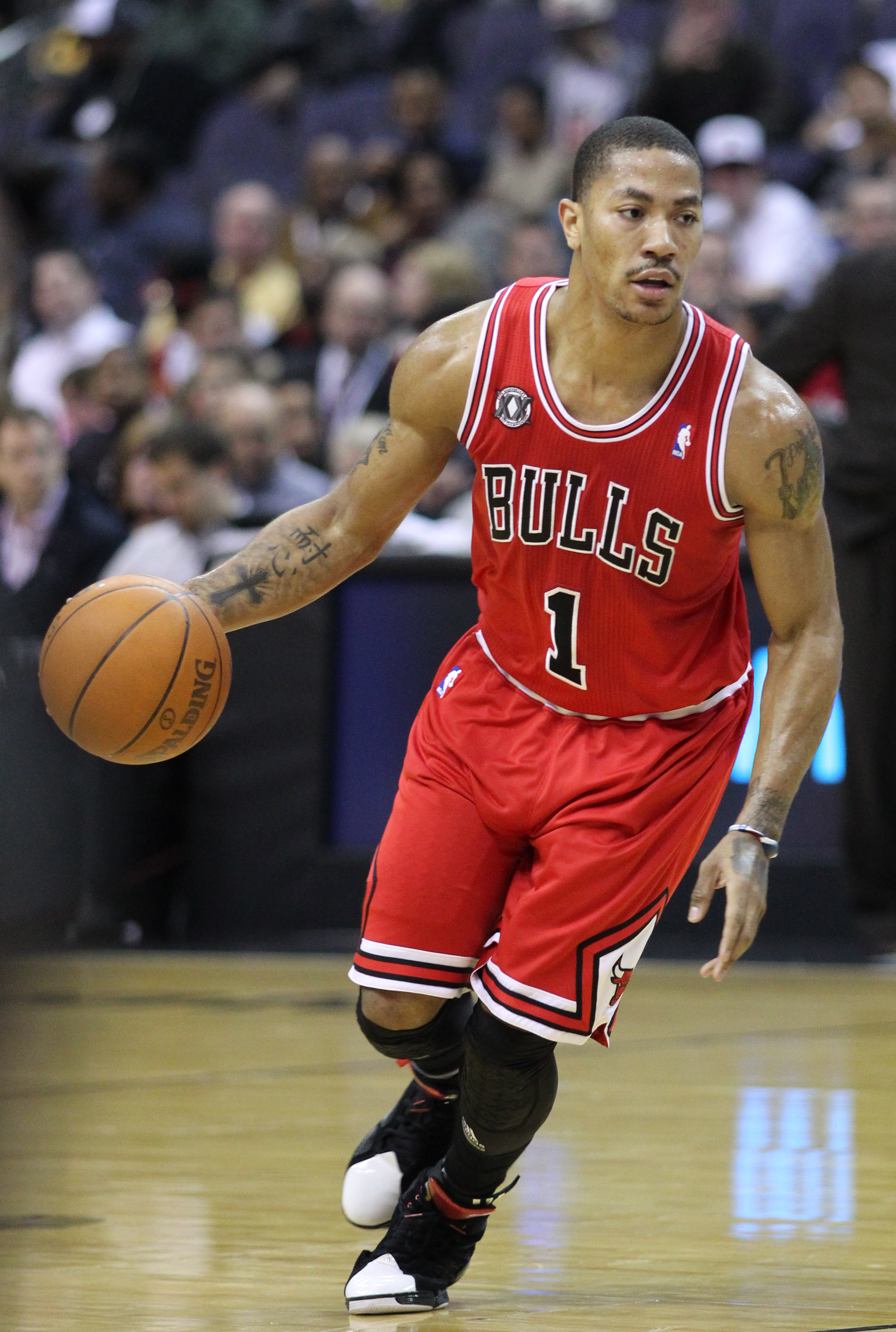
On May 3, 2011, Derrick Rose was named the NBA’s Most Valuable Player after leading the Bulls to a league-best 62–20 record. At 22, he became the youngest MVP in league history and joined Michael Jordan as the only Bulls players to win the award. The honor reflected not only Rose’s individual brilliance but also Chicago’s broader resurgence under coach Tom Thibodeau. For the franchise, the season represented its strongest position since the 1990s, reviving memories of contention and restoring national prominence. Rose’s MVP year remains the defining milestone of the Bulls’ post-dynasty generation.

26juni
2008
26 juni 2008

The Bulls draft hometown star Derrick Rose first overall

On June 26, 2008, the Bulls used the first pick in the NBA draft to select Chicago native Derrick Rose, giving the franchise a new face for the post-dynasty era. Rose arrived with enormous expectations because of his local roots, electrifying playing style, and recent college success at Memphis. For a team searching for renewed relevance, the selection represented both a basketball decision and a civic story: a hometown star returning to lead his city’s team. Rose quickly revitalized fan interest and became the clearest sign that the Bulls might someday build a new contender distinct from, but inevitably compared with, the Jordan years.

14juni
1998
14 juni 1998

The Bulls win a sixth title and close the dynasty’s defining era

On June 14, 1998, Chicago defeated the Utah Jazz 87–86 in Game 6 of the NBA Finals to secure its sixth championship in eight seasons. The game became iconic for Jordan’s closing steal and decisive jumper, but its broader significance was even greater: it marked the end of the Bulls’ 1990s dynasty in its classic form. With Phil Jackson departing, roster tensions mounting, and the team about to be broken apart, the title served as both triumph and farewell. The victory cemented the Bulls as one of the greatest dynasties in American team sports and gave the franchise its lasting historical identity.

21april
1996
21 april 1996

The Bulls finish 72–10, setting a new NBA regular-season record

On April 21, 1996, the Bulls completed the regular season with a 72–10 record, the best mark in NBA history at that time. The achievement reflected remarkable consistency, star power, and intensity from opening night through the season finale. Chicago was not simply winning games; it was setting a standard for dominance that became a measuring stick for all future teams. The record season, powered by Jordan, Pippen, Rodman, and Phil Jackson, reshaped debates about greatness and team excellence. Even after later teams challenged or surpassed the total, the 72-win Bulls remained one of the sport’s defining symbols of sustained superiority.

02oktober
1995
02 oktober 1995

Chicago acquires Dennis Rodman to reshape the roster

On October 2, 1995, the Bulls acquired Dennis Rodman from the San Antonio Spurs in a move that addressed Chicago’s need for elite rebounding and defensive edge. Rodman’s personality was controversial, but his on-court fit proved transformative. His arrival completed the roster construction behind the second three-peat, giving the Bulls a uniquely balanced mix of scoring, perimeter defense, rebounding, and playoff experience. The trade illustrated the franchise’s willingness to make bold, unconventional decisions in pursuit of championships. In hindsight, it was one of the final key personnel moves that unlocked Chicago’s greatest single-season and multi-year achievements.

18maart
1995
18 maart 1995

Jordan returns to the Bulls with the words “I’m back”

On March 18, 1995, Michael Jordan ended his retirement from basketball by announcing his return with a terse two-word statement: “I’m back.” His comeback instantly altered the direction of the Bulls and electrified the league. Although Chicago did not win the championship that season, Jordan’s return restored belief that another title run was possible and reignited the franchise’s aura. The announcement also became one of the most famous moments in modern sports communication because of its simplicity and cultural resonance. It marked the transition between the first Bulls dynasty and the even more dominant run that followed.

01november
1994
01 november 1994

The Bulls retire Jordan’s No. 23 and unveil his statue

On November 1, 1994, the Bulls retired Michael Jordan’s No. 23 jersey and unveiled an 11-foot bronze statue outside the newly opened United Center. The ceremony publicly acknowledged that Jordan had already transformed the franchise even before his eventual return to the court. Retiring the number while he was still alive and recently active underscored the magnitude of his impact on Chicago sports, the NBA, and popular culture. The statue and jersey retirement became enduring landmarks of the franchise, turning Jordan’s legacy into a permanent physical presence and a daily reminder of the standards the organization once set.

18augustus
1994
18 augustus 1994

United Center opens as the Bulls’ new home

On August 18, 1994, the United Center officially opened on Chicago’s Near West Side, giving the Bulls and Blackhawks a new arena to replace historic Chicago Stadium. The building quickly became one of the most important sports venues in the city, associated with the Bulls’ second three-peat and many of the franchise’s most enduring images. Its opening symbolized both continuity and modernization: the team was carrying forward its traditions while entering a more commercial and high-profile era. The United Center would become inseparable from the Bulls’ modern identity and the physical stage for much of their greatest success.

06oktober
1993
06 oktober 1993

Michael Jordan’s first retirement abruptly halts the dynasty

On October 6, 1993, Michael Jordan announced his retirement from basketball, stunning the sports world only months after the Bulls’ third straight title. The decision came amid personal grief after the murder of his father and fatigue from constant public scrutiny. For Chicago, the retirement created immediate uncertainty about whether the dynasty could continue without its central figure. The announcement was not merely a player leaving a roster; it altered the balance of power across the NBA and forced the Bulls to redefine themselves. Even so, the team remained competitive, showing the underlying strength of the organization.

20juni
1993
20 juni 1993

The Bulls complete their first three-peat

On June 20, 1993, Chicago defeated the Phoenix Suns in Game 6 of the NBA Finals to capture a third consecutive championship. The clinching game ended with John Paxson’s famous late three-pointer, capping one of the most dramatic title finishes in team history. Winning three straight championships placed the Bulls in extremely select company and confirmed that the franchise had become the defining team of the early 1990s. The three-peat also elevated the Jordan-Pippen-Jackson era from contender status to dynasty status, establishing a benchmark that later Bulls teams would spend decades trying to approach.

14juni
1992
14 juni 1992

Chicago repeats as champion and confirms its rise to power

On June 14, 1992, the Bulls beat the Portland Trail Blazers in Game 6 of the NBA Finals to win a second straight championship. Repeating as champions is often more difficult than winning the first title, because expectations intensify and every opponent is motivated to dethrone the incumbent. By successfully defending their crown, Chicago proved that the 1991 title was not a one-year peak but the opening chapter of a sustained powerhouse. The victory strengthened the team’s standing in league history and moved the Bulls closer to the rarefied possibility of a three-peat.

12juni
1991
12 juni 1991

Bulls win the first NBA championship in franchise history

On June 12, 1991, the Bulls defeated the Los Angeles Lakers in Game 5 of the NBA Finals to secure the organization’s first championship. The victory represented a major breakthrough after years of playoff frustration, especially against Eastern Conference powers such as Detroit. It also marked the moment when Jordan’s greatness became inseparable from team success rather than individual achievement alone. Chicago’s title validated coach Phil Jackson’s system, confirmed Pippen’s rise into stardom, and launched a run that would redefine the franchise. For the city, it was the beginning of a golden era in professional basketball.

22juni
1987
22 juni 1987

Bulls acquire Scottie Pippen on draft night

On June 22, 1987, Chicago made a pivotal draft-night move by acquiring the rights to Scottie Pippen from Seattle after the SuperSonics selected him fifth overall. The same night also brought Horace Grant to the roster, accelerating the franchise’s effort to build a true contender around Jordan. Pippen’s versatility as a defender, playmaker, and secondary scorer would prove essential to every Bulls title run of the 1990s. In retrospect, the transaction stands as one of the shrewdest in NBA history, because it supplied Chicago with the co-star needed to turn individual brilliance into a dynasty.

19juni
1984
19 juni 1984

Chicago drafts Michael Jordan with the third overall pick

On June 19, 1984, the Bulls selected Michael Jordan with the third pick in the NBA draft, a choice that changed the history of the franchise and eventually the global profile of professional basketball. Jordan arrived as an elite prospect from North Carolina, but few could have predicted the scale of his impact. His scoring brilliance, competitiveness, and commercial magnetism transformed the Bulls from a regional team into an international sports brand. The draft decision became the single most important personnel move in franchise history and the foundation for Chicago’s championship era.

01januari
1967
01 januari 1967

Expansion Bulls reach the playoffs in their first season

In their inaugural 1966–67 season, the Bulls achieved something extraordinary for a new franchise: they qualified for the NBA playoffs. Although their postseason stay was brief, the accomplishment gave the organization immediate credibility and set an early standard for competitiveness. At the time, it was the best debut season by an expansion team in league history, and it suggested that professional basketball could again take root in Chicago. This fast start helped establish the Bulls as more than a placeholder franchise and gave local fans reason to invest in the team’s future.

16januari
1966
16 januari 1966

NBA awards Chicago an expansion franchise that becomes the Bulls

On January 16, 1966, the National Basketball Association granted Chicago a new expansion franchise, restoring the league to one of the nation’s biggest markets after earlier Chicago teams had folded or moved. The club adopted the name "Bulls," a nod to the city’s meatpacking heritage, and began building its identity under founder Dick Klein. This decision created the institutional starting point for what would become one of the NBA’s most recognizable organizations, laying the groundwork for decades of competitive success, cultural influence, and a deep bond with Chicago sports fans.

Frequently asked questions about Chicago Bulls

Discover commonly asked questions regarding Chicago Bulls. If there are any questions we may have overlooked, please let us know.

How many NBA championships have the Chicago Bulls won?

What is the significance of the Chicago Bulls in NBA history?

Who are some of the most famous players in Chicago Bulls history?

What year were the Chicago Bulls established?