CERN
@cernSince 1954
Explore the fascinating timeline of CERN, highlighting major discoveries, experiments, and advancements in particle physics. Click to learn more!
Frequently asked questions about CERN
Discover commonly asked questions regarding CERN. If there are any questions we may have overlooked, please let us know.
What is the Large Hadron Collider (LHC) and why is it important?
How has CERN contributed to scientific advancements?
What is the legacy of CERN in the field of science?
What is CERN and what does it stand for?
Related Timepaths
People, places and organizations that appear in CERN’s events

Information Age
Dive into the key events of the Information Age, tracing technological advancements and their impact on society. Discover the evolution today!
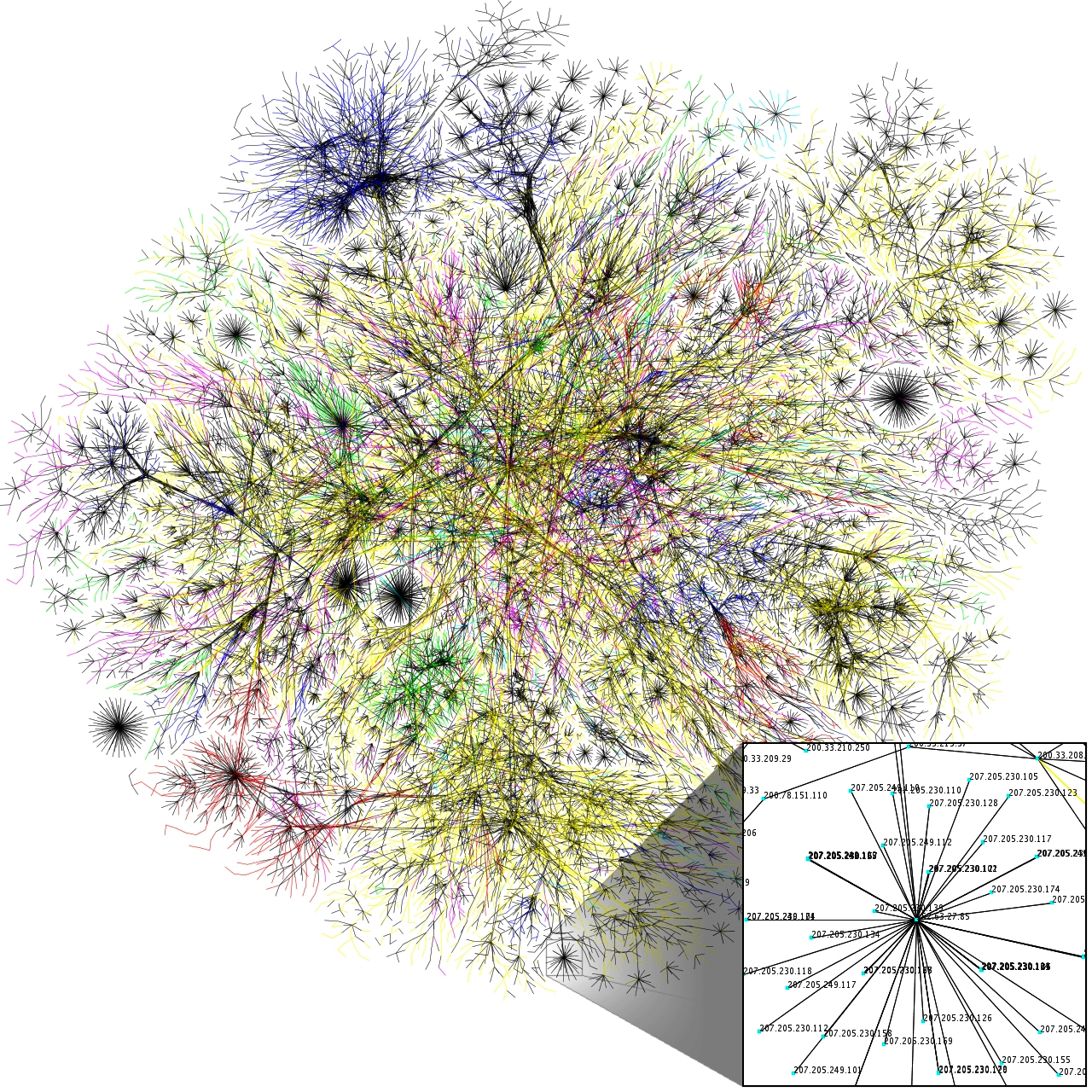
Internet
Explore the fascinating timeline of the Internet's development, from its origins to the present. Discover key milestones and innovations!

Simon van der Meer
Explore the timeline of Simon van der Meer, the renowned Dutch physicist known for his pivotal contributions to particle physics. From his early career to winning the Nobel Prize in Physics in 1984, discover the significant milestones in his life and work that revolutionized our understanding of subatomic particles.
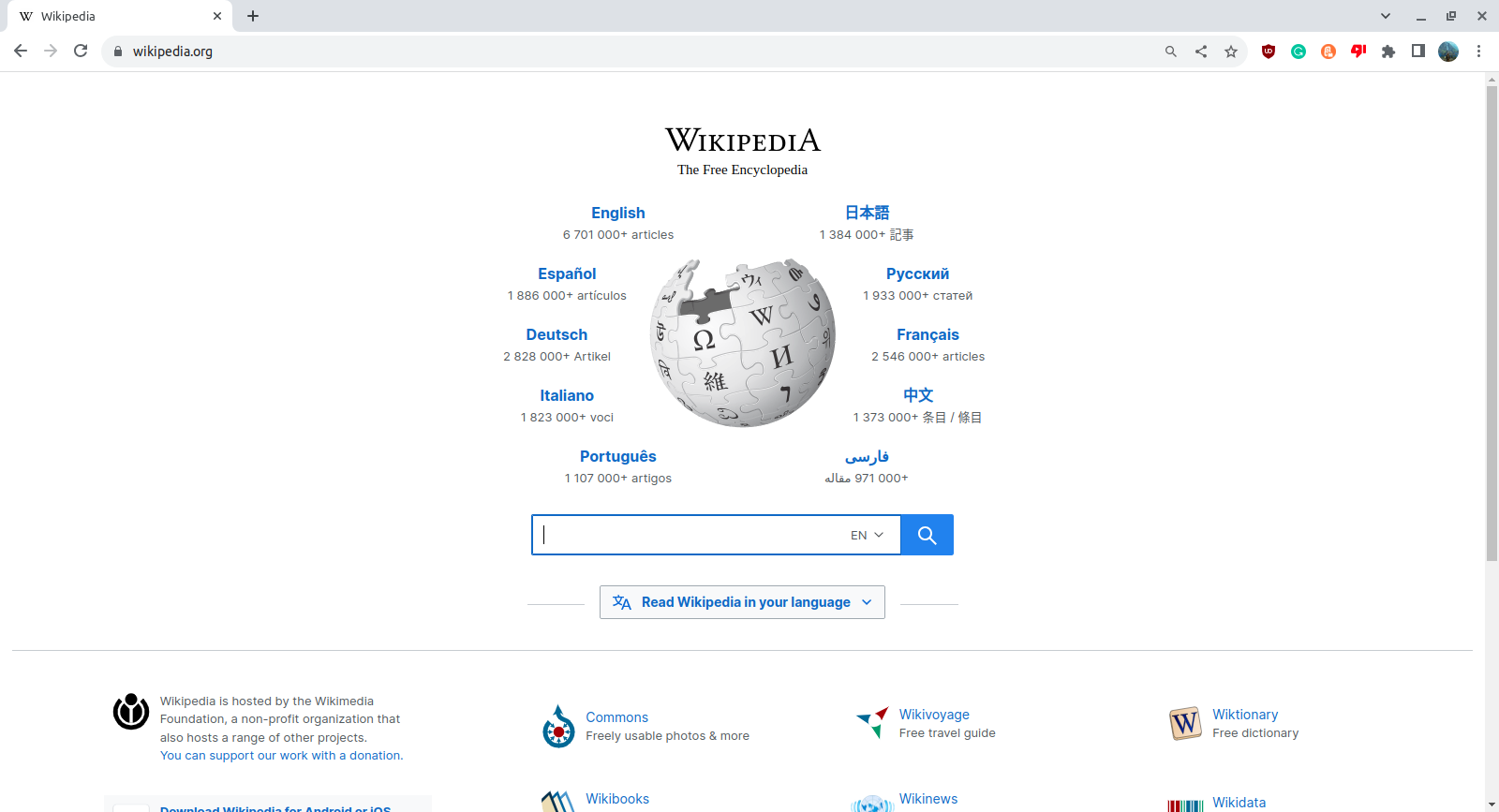
World Wide Web
Explore the fascinating timeline of the World Wide Web, from its inception to modern developments. Discover key milestones and innovations!

Carlo Rubbia
Explore the timeline of Carlo Rubbia, an influential Italian physicist known for his work on particle physics and the discovery of the W and Z bosons. This timeline highlights key moments in his career, from his early academic pursuits to winning the Nobel Prize in Physics in 1984, and his ongoing contributions to scientific research and innovation.

Peter Higgs
Explore the life and achievements of Peter Higgs, the renowned physicist known for the discovery of the Higgs Boson. This timeline highlights key milestones in Higgs' career, from his early education and groundbreaking theoretical work in particle physics, to winning the Nobel Prize in Physics in 2013.

François Englert
Explore the timeline of François Englert, a renowned physicist and Nobel Laureate known for his pivotal contributions to the discovery of the Higgs mechanism. Follow his journey from early academic achievements to his groundbreaking work in theoretical physics.

Jack Steinberger
Explore the timeline of Jack Steinberger, the renowned physicist who made significant contributions to particle physics. From his early life and education through his groundbreaking work on neutrinos and his receipt of the Nobel Prize, Steinberger's journey is a testament to the power of scientific inquiry and discovery.

Georges Charpak
Explore the life and achievements of Georges Charpak, a Nobel Prize-winning physicist renowned for his groundbreaking work in particle detection. Delve into the key milestones of his career, from his early life challenges to his major scientific contributions and lasting legacy in the field of physics.

Aaron Anselmino
Discover the key milestones and achievements in the life of Aaron Anselmino. Explore a detailed timeline that highlights his personal and professional journey, showcasing his contributions and significant moments that shaped his path.