Explore the timeline of Carlos Slim's life, highlighting key milestones and achievements that shaped his legacy in business and philanthropy.
By 2017, Carlos Slim had become the largest single shareholder of non-voting shares in The New York Times Company. In late 2017, he sold half of his stake, indicating a strategic reduction in his U.S. media holdings while maintaining influence.
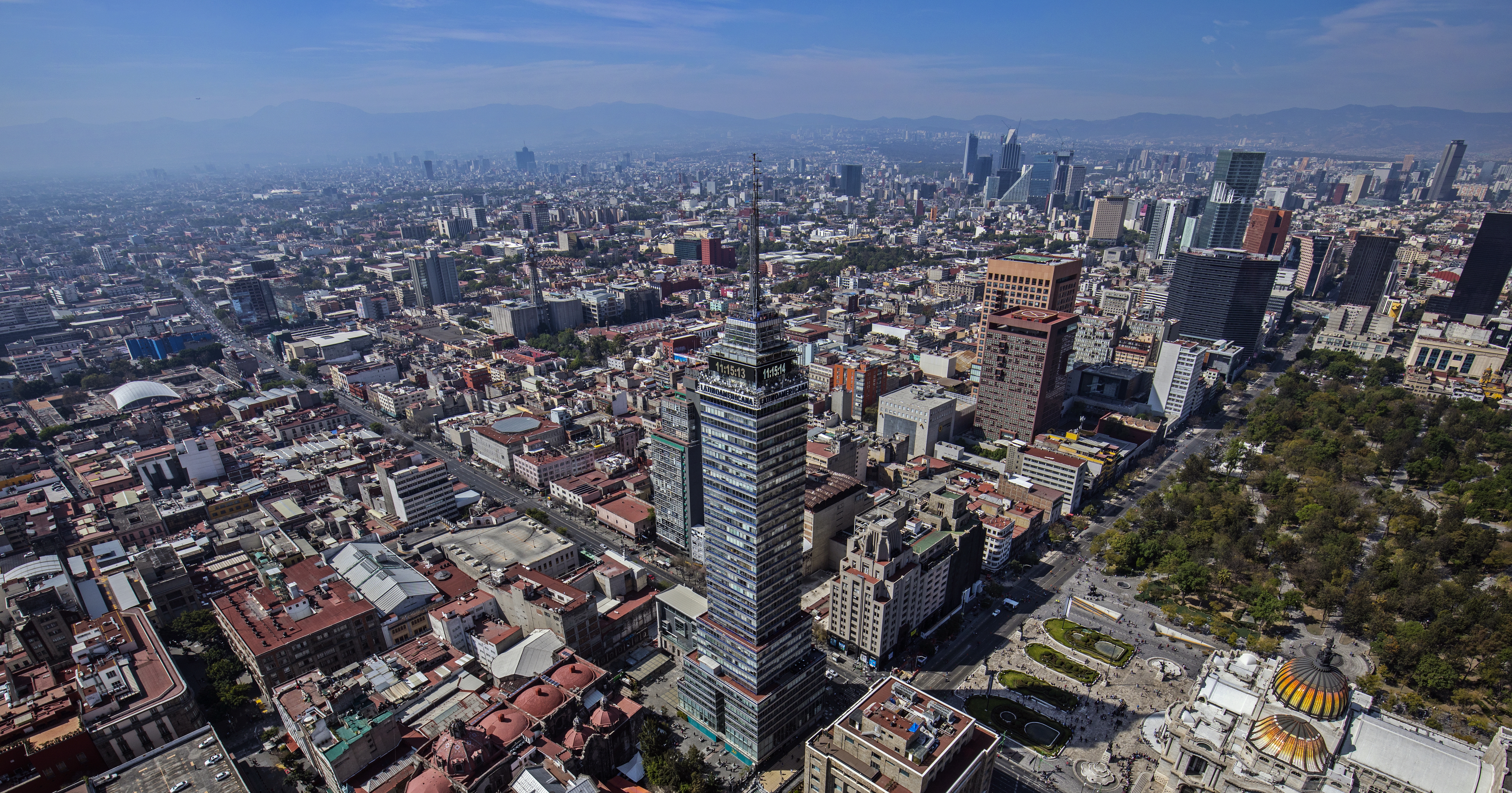
In 2011, the Museo Soumaya moved to a new, anvil‑shaped building in Mexico City designed by Fernando Romero, covering 17,000 m² of exhibition space and housing tens of thousands of works. The inauguration was attended by the president of Mexico and multiple cultural figures, boosting public access to art.
From 2010 to 2013, Carlos Slim was ranked the richest person in the world by Forbes, reflecting the massive value of his holdings—especially in telecommunications—and his dominant presence in the Mexican economy.
In 2000, Slim established the Foundation for the Historic Center of Mexico City, aiming to restore and revitalize the city’s historic core. His efforts earned him the Hadrian Award in 2004 from the World Monuments Fund for preserving cultural heritage.
In 1995, Carlos Slim founded Fundación Telmex to support public health, sports, and education initiatives. With an initial asset contribution, the foundation funded institutes, tournaments such as Copa Telmex, and health outreach projects, laying the groundwork for his extensive philanthropic engagement.
In 1994, Carlos Slim established the Museo Soumaya, a not-for-profit art museum named after his late wife, focusing on art collections spanning Rodin, Dalí, Picasso, and Renaissance works. The museum embodied his commitment to culture and philanthropy in Mexico City.
In 1990, Carlos Slim, in partnership with France Télécom and Southwestern Bell Corporation, acquired Telmex, Mexico’s national telephone monopoly, as the government privatized its telecom industry. Grupo Carso was also floated as a public company, solidifying his control over telecommunications and positioning him as a dominant force in the sector.
Amid Mexico’s economic crisis of the early 1980s, Slim seized the opportunity to acquire stakes in deeply undervalued companies across diverse sectors. He consolidated holdings in retail, financial services, tobacco, and other industries, significantly expanding his conglomerate during a period when foreign investors were fleeing Mexico.
In 1965, using profits from his early ventures, Carlos Slim founded the stock brokerage house Inversora Bursátil and began laying the foundations for Grupo Carso. Additionally, he acquired Jarritos del Sur, a bottled soft-drink company, and in 1966 founded Inmuebles Carso, a real estate holding company. These moves marked his transition from financier to diversified conglomerate builder.
Carlos Slim graduated with a degree in civil engineering from the National Autonomous University of Mexico in 1961. He also taught algebra and linear programming while studying, and immediately embarked on his career as a stock trader in Mexico. Working long hours, he began laying the financial groundwork for what would become his business empire.
Carlos Slim Helú was born on January 28, 1940, in Mexico City, into a family of Lebanese Maronite Christian immigrants. His father, Julián Slim Haddad, had emigrated from Jezzine, Lebanon, and built a successful real estate and dry-goods business, which gave Carlos a formative environment rich in entrepreneurial influence. From an early age, Carlos kept meticulous financial records and learned fundamental business and accounting principles from his father.
Discover commonly asked questions regarding Carlos Slim. If there are any questions we may have overlooked, please let us know.
Who is Carlos Slim?
What is Carlos Slim's legacy or impact?
What is Carlos Slim's significance in the business world?
What are some key facts about Carlos Slim?