Explore the timeline of the April 2015 Nepal earthquake, detailing key events, impacts, and recovery efforts. Discover the story behind the disaster.
After months of political delay and criticism over the slow pace of rebuilding, Nepal formally established the National Reconstruction Authority in December 2015 to lead post-earthquake reconstruction. Its creation was a crucial institutional milestone because recovery required a dedicated body to manage donor funds, housing grants, heritage restoration, and infrastructure repair across many districts. The delay itself became part of the earthquake’s story, illustrating how governance challenges can prolong suffering long after the seismic shaking has stopped.
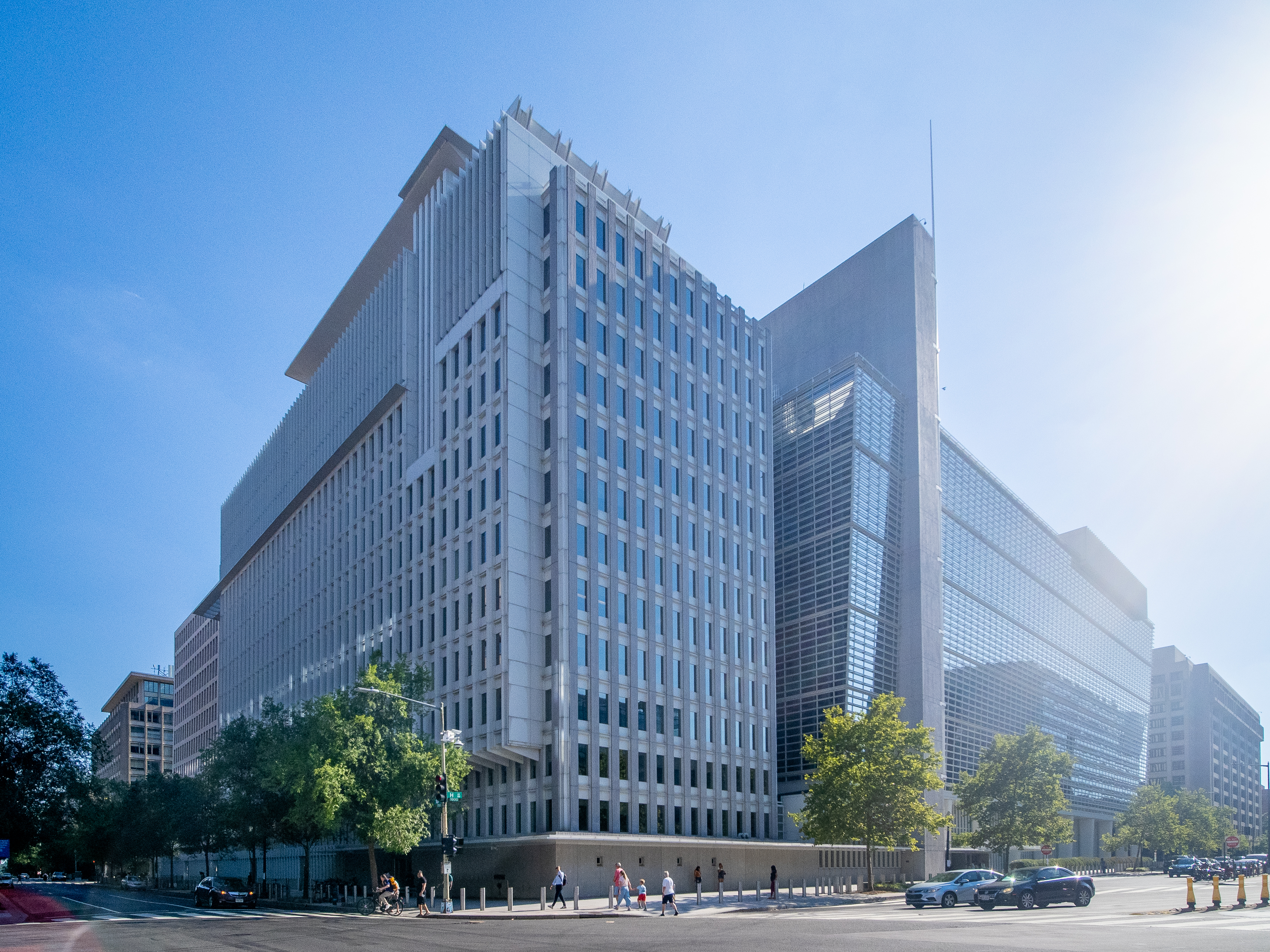
On 29 June, the World Bank approved $300 million in credits to support Nepal’s earthquake recovery, including housing reconstruction in poor rural areas and budget support for the government. This was a milestone because it moved the response from emergency relief toward longer-term rebuilding, especially the politically and technically difficult task of reconstructing homes to safer standards. International financing commitments such as this became central to whether Nepal could turn post-disaster recovery into more resilient development.
By early June, UNESCO and conservation authorities were documenting the heavy destruction suffered by the Kathmandu Valley World Heritage property, including the historic Durbar Squares of Kathmandu, Patan, and Bhaktapur. The damage went beyond isolated monuments: it affected urban ensembles, religious sites, craftsmanship traditions, and tourism-linked livelihoods. This stage of assessment was important because it reframed the earthquake as not only a humanitarian and engineering disaster but also a profound cultural loss with long-term implications for restoration and identity.
Just over a month after the first earthquake, schools reopened in many parts of Nepal, often in makeshift spaces built from bamboo, tarpaulins, and salvaged materials. The reopening was symbolically important because it restored a degree of routine for children living amid fear, bereavement, and displacement. It also exposed the scale of educational disruption, since many school buildings had been damaged or destroyed and teachers had to balance psychological recovery with the practical need to resume lessons before the monsoon intensified.
Less than three weeks after the mainshock, a powerful magnitude 7.3 aftershock hit near Kodari, east-northeast of Kathmandu, renewing panic and causing more deaths, injuries, landslides, and structural failures in buildings already weakened in April. The quake was followed closely by another strong aftershock. This second major seismic event compounded trauma among survivors, disrupted relief operations, and showed that the crisis was still unfolding rather than ending, especially in districts where people remained in temporary shelters.
As relief efforts accelerated, strain on Nepal’s only international gateway created a serious logistical setback. On 3 May, restrictions were placed on heavy aircraft after new cracks were noticed on the runway at Tribhuvan International Airport. The decision highlighted how the response was constrained not just by the earthquake’s destruction but also by infrastructure fragility. The airport remained essential for incoming supplies and teams, so even temporary limits had broad consequences for the speed and volume of international assistance.
On 29 April, the Humanitarian Country Team launched the Nepal Earthquake Flash Appeal, seeking hundreds of millions of dollars to support emergency relief. The appeal formalized the international humanitarian framework for the disaster and aimed to coordinate protection, shelter, food, health, and logistics support for millions of affected people. It marked the transition from immediate rescue toward a structured, multi-agency emergency operation focused on sustaining survivors through the first critical months after the quake.
As information slowly arrived from mountain and hill districts, authorities and aid agencies realized that destruction extended far beyond Kathmandu. Prime Minister Sushil Koirala warned that the death toll could reach 10,000, while the United Nations said millions were affected and large numbers urgently needed food, water, and shelter. The event ceased to be seen only as an urban disaster and was increasingly understood as a nationwide humanitarian crisis involving isolated villages, landslides, and difficult terrain.
By the day after the mainshock, foreign governments, UN agencies, and humanitarian organizations had begun airlifting rescue teams, field hospitals, food, shelter supplies, and engineering support into Nepal. Tribhuvan International Airport became the main bottleneck and lifeline for the response, handling a surge of military and civilian flights. The rapid international mobilization underscored both the global scale of concern and Nepal’s logistical vulnerability, since so much aid had to pass through one crowded airport and damaged road network.
One of the most recognizable urban symbols of Kathmandu, the 19th-century Dharahara tower, collapsed during the mainshock and became one of the deadliest single building failures of the disaster. Hundreds of visitors were inside or nearby when the structure gave way, and the ruins quickly became a major rescue and recovery site. The tower’s destruction also came to symbolize the earthquake’s impact on Nepal’s historic built environment and on the capital’s dense, vulnerable urban fabric.
The earthquake triggered a massive avalanche on Mount Everest that swept into Base Camp and nearby climbing areas, killing 22 people and injuring many more. It became the deadliest disaster in the mountain’s recorded history. The avalanche stranded climbers and support staff, disrupted the entire 2015 climbing season, and highlighted how a tectonic disaster centered in Nepal’s mid-hills could produce cascading consequences in the high Himalaya through snow and ice failures.
In the hours after the quake, Nepal’s government declared a state of emergency as the army, police, medical staff, and volunteers began searching collapsed homes, temples, schools, and public buildings. Rescue work was complicated by blocked roads, damaged hospitals, shortages of heavy equipment, and continuing aftershocks. This first emergency phase set the tone for the broader national response, with the state attempting simultaneously to save lives, restore order, and manage a disaster that stretched across multiple districts.
At 11:56 a.m. local time, a moment magnitude 7.8 earthquake ruptured along the Main Himalayan Thrust in central Nepal, with the epicentral area near Barpak and east-southeast of Lamjung. The shallow quake produced violent shaking across the Kathmandu Valley and far beyond Nepal’s borders. It was the country’s worst earthquake in more than 80 years and immediately caused mass casualties, widespread building collapse, landslides, and severe disruption to roads, communications, health services, and governance.
Discover commonly asked questions regarding April 2015 Nepal earthquake. If there are any questions we may have overlooked, please let us know.
What were the impacts of the April 2015 Nepal earthquake?
What caused the April 2015 Nepal earthquake?
How did the international community respond to the Nepal earthquake?
What is the legacy of the April 2015 Nepal earthquake?