Explore the history of the American Red Cross, highlighting key events and milestones that shaped its mission and impact over the years.
As the United States entered the COVID-19 emergency in March 2020, the American Red Cross had to sustain its core mission under unprecedented public health restrictions. The organization adapted sheltering and disaster operations, continued support for military families, and worked to stabilize a blood supply disrupted by widespread cancellations of blood drives. The pandemic became a major institutional milestone because it required the Red Cross to redesign service delivery for a prolonged nationwide crisis rather than a localized disaster. It highlighted the organization’s flexibility, but also how deeply modern humanitarian work depends on logistics, public trust and volunteer capacity during a public health emergency.
On October 7, 2014, the American Red Cross launched its Home Fire Campaign, a nationwide prevention effort aimed at reducing deaths and injuries from home fires. Unlike many of the organization’s highly visible emergency responses, this campaign emphasized mitigation: installing smoke alarms, helping families create escape plans and targeting a common but often overlooked domestic threat. The initiative marked an important strategic milestone because it paired disaster response with systematic prevention, allowing the Red Cross to save lives before emergencies occurred. It illustrated a broader evolution in the organization from reacting to crises toward risk reduction and household preparedness.
After a devastating magnitude 7.0 earthquake struck Haiti on January 12, 2010, the American Red Cross joined one of the largest single-country responses in the history of the global Red Cross and Red Crescent network. The emergency prompted enormous public giving in the United States, including unprecedented mobile-phone text donations, and led to years of work in shelter, health, sanitation, community recovery and blood services support. The Haiti operation was a major milestone because it showcased the American Red Cross’s international fundraising and recovery role at extraordinary scale while also generating significant public debate over effectiveness and long-term reconstruction outcomes.
When Hurricane Katrina struck the Gulf Coast in late August 2005, the American Red Cross launched what it described as the largest single disaster relief effort in its history. The organization opened nearly 1,400 shelters across 27 states and the District of Columbia, provided millions of overnight shelter stays, served tens of millions of meals and deployed a vast volunteer workforce. Katrina was a milestone because it tested the Red Cross at a scale far beyond prior domestic disasters and exposed both the strengths and limits of large humanitarian logistics. It remains a benchmark for modern Red Cross disaster operations.
After the terrorist attacks of September 11, 2001, the American Red Cross responded in New York, at the Pentagon and near Shanksville, Pennsylvania. The organization provided mass care, family support, mental health assistance, blood services and help for affected workers and communities. The response was one of the defining domestic humanitarian operations of the early twenty-first century, but it also brought intense scrutiny over fundraising and donor intent, prompting policy changes including the Donor Direct approach. As a result, 9/11 became both a major service milestone and a turning point in Red Cross accountability and public communication.
On January 12, 1948, the American Red Cross opened its first civilian blood collection center in Rochester, New York, beginning the National Blood Program for the public after the end of World War II. This represented a crucial transition from wartime emergency collection to a permanent peacetime health service. The blood program’s expansion into regional centers in the following years made the Red Cross an essential part of American hospital and transfusion systems. It also demonstrated the organization’s ability to convert wartime innovations into enduring public benefit, further broadening its mission beyond disaster response alone.
On February 4, 1941, physician Charles R. Drew was named medical director of the American Red Cross National Blood Collection Program, launching a transformative new phase in the organization’s history. During World War II, the Red Cross developed the first nationwide civilian blood program in the United States and supplied blood and plasma for military use on a massive scale. This initiative expanded the organization’s mission beyond disaster and war relief into a lasting medical infrastructure role. The wartime blood program became the foundation for the modern Red Cross blood services that remain one of its most visible and consequential responsibilities.
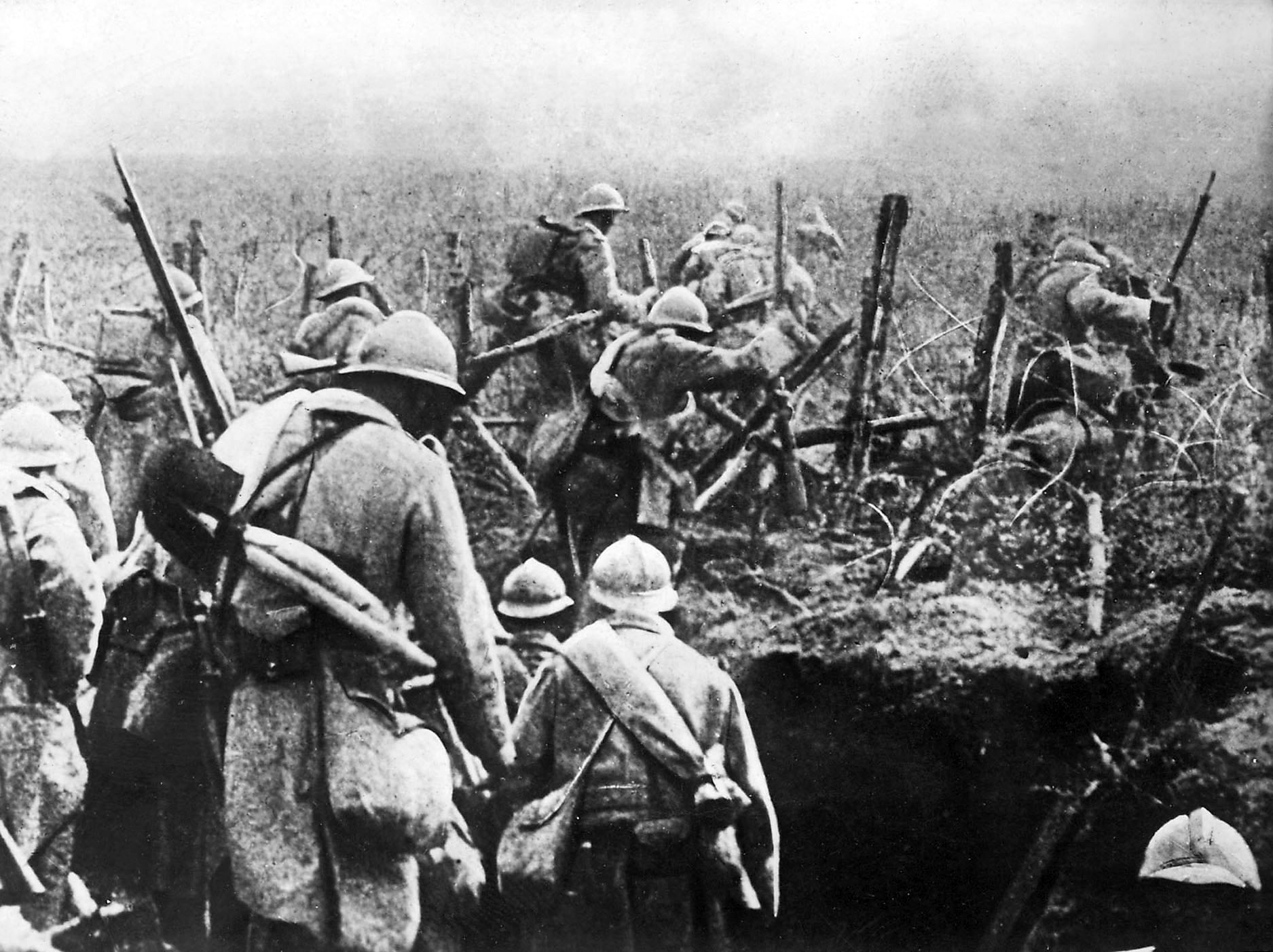
On May 10, 1917, shortly after the United States entered World War I, President Woodrow Wilson appointed a War Council to guide American Red Cross operations. The change accelerated the organization’s growth into a vast wartime mobilization body with millions of members and volunteers, deep ties to government and a central role in nursing, supplies, canteens, home service and overseas relief. World War I permanently changed the Red Cross by expanding its scale, public presence and administrative sophistication. It emerged from the conflict as one of the most recognized humanitarian organizations in the United States.
The first meeting of the National Committee on Red Cross Nursing Service was held on January 20, 1910, under the leadership of Jane Delano. This was a major organizational milestone because it professionalized one of the Red Cross’s most important functions: mobilizing trained nurses for emergencies, war service and public health crises. The nursing service would become indispensable during World War I, the influenza pandemic and later conflicts. By creating a structured national nursing system, the Red Cross strengthened both its medical capacity and its ties to the broader professionalization of American nursing in the early twentieth century.
Following the April 18, 1906 earthquake and fire in San Francisco, President Theodore Roosevelt called on the Red Cross to lead a major relief effort. The scale of destruction required a level of coordination and public fundraising far beyond many earlier responses, and the organization’s role in sheltering, feeding and assisting survivors significantly raised its profile across the country. The San Francisco operation showed that the Red Cross could function as a central national relief agency in urban catastrophe, helping to shape public expectations that it would respond whenever the United States faced major emergencies.
On January 5, 1905, the Red Cross received a second congressional charter, reorganizing the institution after internal disputes and the 1904 resignation of Clara Barton. The new charter helped define the modern governance framework of the American National Red Cross and more clearly set out its public purposes, including disaster relief, wartime support and communication services for military families. This rechartering was crucial because it shifted the Red Cross from a founder-led organization into a more durable national institution with stronger oversight, broader legitimacy and a structure better suited to twentieth-century expansion.
After the catastrophic Galveston hurricane struck Texas on September 8, 1900, Clara Barton led what became her last major field relief operation as president of the American Red Cross. The storm killed thousands and destroyed much of the city, making it one of the deadliest natural disasters in U.S. history. Red Cross aid in Galveston underscored the organization’s growing expertise in mass-casualty disaster relief and demonstrated that it could operate in coordination with local and national authorities under extreme conditions. The mission also symbolized the end of the founder’s active field career while reinforcing the Red Cross’s expanding institutional identity.
On June 6, 1900, Congress granted the American Red Cross its first federal charter, a major step in formalizing the organization’s national status. The charter gave legal recognition to the society’s humanitarian role and clarified its responsibilities in accordance with the Geneva framework. Federal chartering also reflected the extent to which the Red Cross had moved beyond its founder’s personal network into a public institution with national obligations. Although later revised, the 1900 charter marked the moment when the Red Cross became more firmly integrated into the structure of American civic and governmental life.
When the South Fork Dam failed on May 31, 1889, the resulting Johnstown Flood devastated western Pennsylvania and became one of the deadliest disasters in U.S. history. Under Clara Barton’s leadership, the American Red Cross mounted a major relief operation, providing shelter, supplies and long-term assistance to survivors. The Johnstown work became one of the defining early demonstrations of Red Cross capacity, showing that the organization could coordinate large-scale aid over an extended period. Public attention to the response greatly increased the Red Cross’s visibility and helped establish disaster relief as one of its signature national responsibilities.
In 1882, after persistent advocacy by Clara Barton and her allies, the United States ratified the Geneva Convention. That step gave formal diplomatic and legal backing to the humanitarian principles underlying the Red Cross movement and firmly anchored the American organization within the international network. It also legitimized the Red Cross emblem and mission inside the United States while reinforcing Barton’s argument that the new society could serve both wartime casualties and victims of peacetime calamity. The ratification was thus a critical institutional milestone, transforming a promising private initiative into a nationally recognized humanitarian body.
Just months after its creation, the American Red Cross undertook its first domestic disaster response by aiding victims of the devastating Michigan forest fires of September 1881. The operation demonstrated that Barton’s expanded concept of Red Cross work in peacetime was practical and urgently needed in the United States. By providing emergency relief to civilians affected by wildfire, the organization established an enduring precedent: that the American Red Cross would be a national responder not only in war but also in sudden natural disasters affecting communities at home.
On May 21, 1881, Clara Barton and a small group of supporters established the American Red Cross, creating the United States’ first national Red Cross society after Barton spent years promoting the Geneva humanitarian model at home. The new organization was intended not only to aid the war-wounded, as in Europe, but also to respond to peacetime disasters such as fires, floods and epidemics. That broader vision gave the American Red Cross a distinctive role in U.S. civic life and set the foundation for its later nationwide disaster, military and health services.
Discover commonly asked questions regarding American Red Cross. If there are any questions we may have overlooked, please let us know.
What is the legacy of the American Red Cross?
What is the American Red Cross?
How does the American Red Cross impact communities?
What services does the American Red Cross provide?