Alexander the Great
@alexanderthegreat356 — 323
Explore the life and conquests of Alexander the Great through a detailed timeline. Discover key events that shaped history!
Frequently asked questions about Alexander the Great
Discover commonly asked questions regarding Alexander the Great. If there are any questions we may have overlooked, please let us know.
Who was Alexander the Great?
What were the key achievements of Alexander the Great?
What is Alexander the Great's legacy?
Why is Alexander the Great considered significant in history?
Related Timepaths
People, places and organizations that appear in Alexander the Great’s events

Cleopatra
Explore Cleopatra's remarkable journey through history, from her reign to her enduring influence. Discover key events in her timeline!
India

Sinbad
Explore the legendary voyages of Sinbad the Sailor, a popular figure from Middle Eastern folklore. Discover key events from his seven incredible adventures, as he navigates through magical islands, encounters mythical creatures, and faces extraordinary challenges.
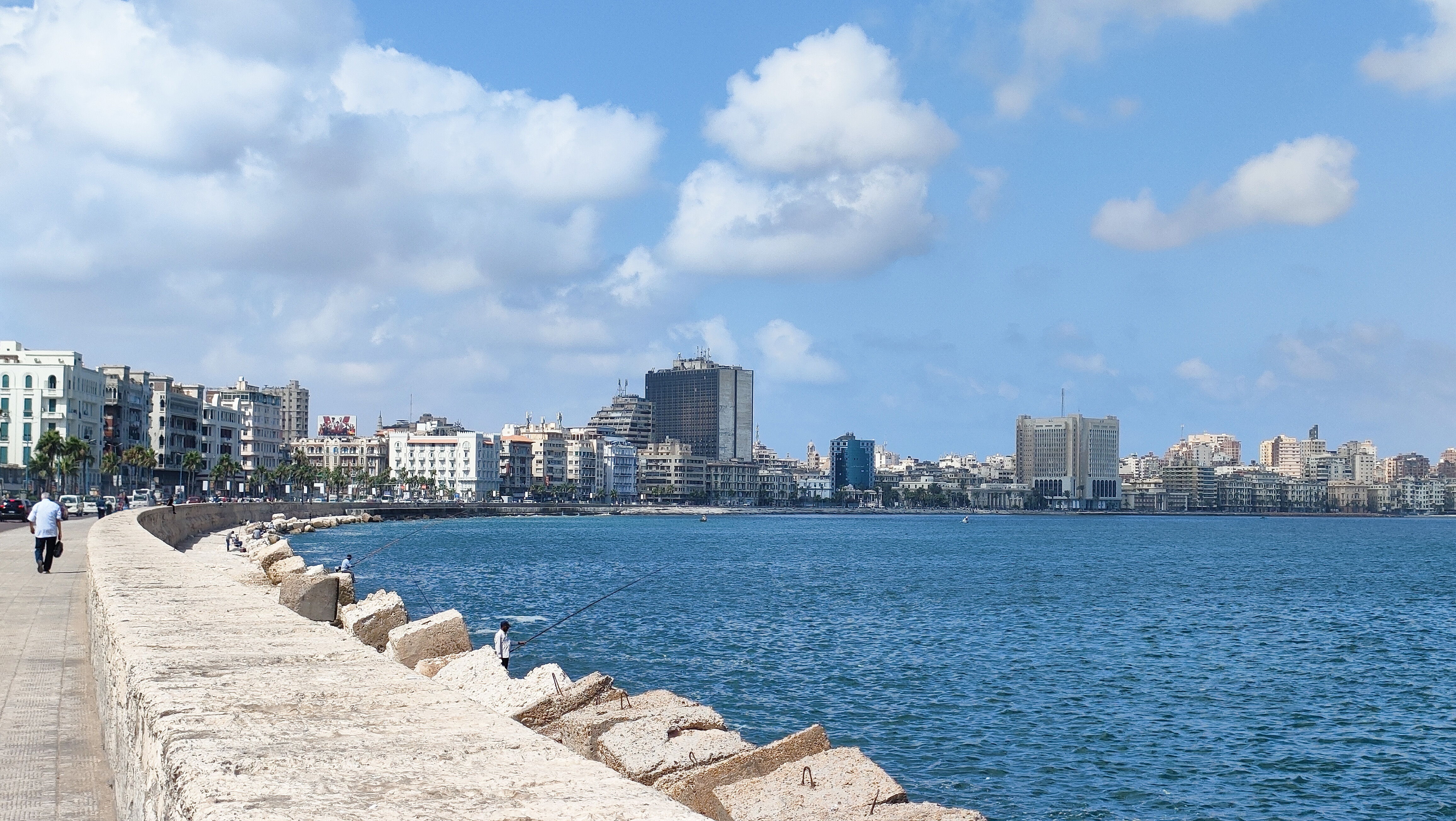
Alexandria
Explore the rich history of Alexandria from its founding by Alexander the Great in 331 BC to its development as a center of learning and culture in ancient times, through its evolution during the Roman, Byzantine, and Islamic periods, to its modern-day significance in Egypt. This timeline highlights key events and milestones in Alexandria's storied past.

Colin Farrell
Explore the timeline of Colin Farrell, the acclaimed Irish actor known for his versatile roles in film and television. From his early beginnings in Ireland to his rise to fame in Hollywood, discover the key milestones and achievements in Farrell's dynamic career.