Explore the key milestones and events in Al Jazeera Media Network's history. Discover its impact on global news and media landscape!
On September 22, 2024, Israeli troops raided Al Jazeera’s bureau in Ramallah in the occupied West Bank and ordered it closed for 45 days. The action followed the earlier shutdown of the network’s operations in Israel and signaled that pressure on Al Jazeera had widened beyond Jerusalem. This event was significant because it affected one of the broadcaster’s key field-reporting bases during the Gaza war and reinforced the precarious operating environment facing the network’s journalists. It also became part of a broader international debate over wartime press freedom, access, and the treatment of foreign news organizations in conflict zones.
On May 5, 2024, Israel ordered Al Jazeera’s local operations to close, seizing equipment and blocking broadcasts under a new law allowing action against foreign media deemed harmful to state security. The move marked one of the most severe government actions taken against the network in its history and drew immediate international attention because Al Jazeera had been one of the few major broadcasters with sustained reporting linked to the Gaza war. The shutdown became a major milestone in the network’s story, highlighting the escalating risks faced by its journalists and the continuing political contest over its reporting across the region.
On November 1, 2021, Al Jazeera marked twenty-five years since its launch, a symbolic milestone that underscored its evolution from a single Arabic-language channel into a global media network with multiple channels, digital products, and bureaus around the world. The anniversary prompted retrospective assessments of its impact on Arab journalism, its role in international crisis coverage, and the controversies that have surrounded it in many countries. Reaching a quarter century was important not merely as a commemorative date, but as evidence of the network’s durability amid wars, political pressure, market shifts, and technological change.
Al Jazeera America ceased broadcasting on April 12, 2016, ending the network’s costly effort to build a large U.S. cable news operation. The closure followed persistent difficulties with ratings, distribution politics, and the economics of the American television market, even though the channel had won awards and praise for some of its journalism. Its shutdown was a significant milestone because it showed the limits of Al Jazeera’s expansion strategy in the United States and prompted a broader rethinking of how the network would reach audiences in English-speaking markets going forward, especially through digital platforms rather than cable carriage.
On January 1, 2014, the sports business that had grown out of Al Jazeera Sport was legally separated from Al Jazeera Media Network and placed under beIN Media Group. This restructuring mattered because it clarified the identity of Al Jazeera as primarily a news and current-affairs organization while allowing the sports business to pursue its own commercial path. The separation also reflected how large and diversified the broader media enterprise had become since the 1990s. For historians of the network, it marks the end of a major diversification phase and the beginning of a more distinct corporate structure.
Al Jazeera America launched on August 20, 2013, as the network’s most ambitious attempt to establish a lasting television news presence in the United States. Promoted as a serious, reporting-heavy alternative to more personality-driven cable news formats, the channel invested in bureaus and original journalism across the country. Its debut marked a major milestone because it represented Al Jazeera Media Network’s direct effort to convert international brand recognition into mainstream U.S. viewership. The project also became an important test of whether the network’s editorial approach could overcome political stigma and competitive market pressures.
Al Jazeera announced on January 2, 2013, that it had acquired Current TV, a deal that gave the network distribution footholds in the United States and laid the groundwork for a major American expansion. The purchase was strategically important because the U.S. market had long been difficult terrain for Al Jazeera, where the brand faced political skepticism despite growing respect among some journalists for its international reporting. By buying an existing cable outlet rather than building from scratch, the network attempted to convert global influence into a sustained domestic American television presence.
On June 1, 2012, Al Jazeera’s sports arm launched beIN Sports in France, broadening the organization’s business model beyond news and public affairs into premium international sports broadcasting. The move was commercially significant because it showed the network could compete for major rights in mature European media markets, not just regional audiences in the Middle East. Although the sports division was later separated from Al Jazeera Media Network, this launch represented a key milestone in the wider group’s period of aggressive international expansion and diversification during the early 2010s.
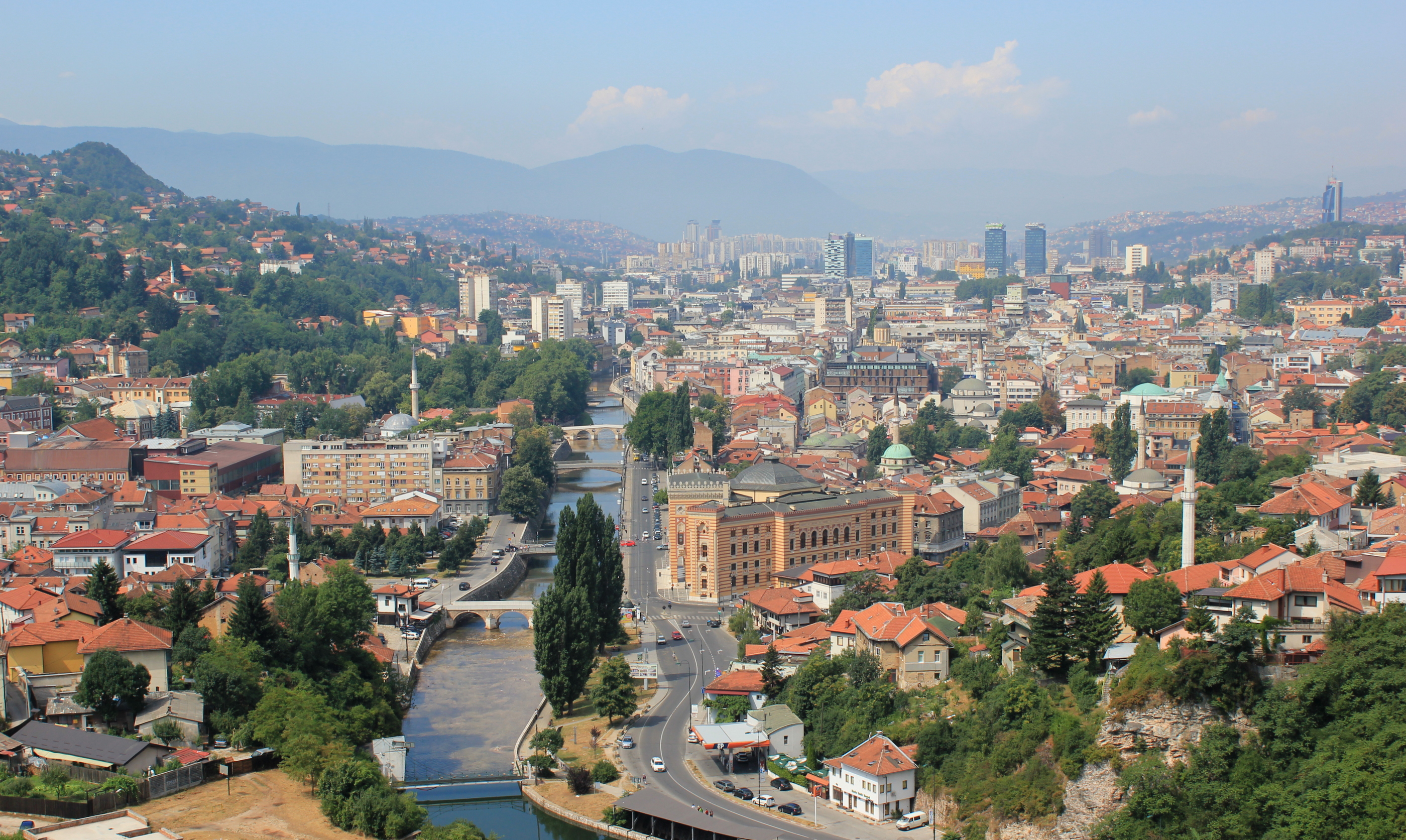
In 2011, Al Jazeera expanded into Southeast Europe by launching Al Jazeera Balkans, based in Sarajevo and serving audiences across the former Yugoslav region. This was one of the network’s most important geographic expansions because it extended Al Jazeera’s multilingual model beyond Arabic and English into a new linguistic and cultural sphere. The channel demonstrated that the network was not only exporting content from Doha but also building locally rooted regional operations. Its creation strengthened the parent organization’s identity as an international media network with multiple distinct editorial platforms.
Al Jazeera’s extensive reporting during the 2011 Arab uprisings became one of the most important moments in the network’s history. Through live feeds, rolling coverage, and heavy use of regional field reporting, the network became central to how audiences inside and outside the Middle East followed events in Tunisia, Egypt, Libya, Yemen, and beyond. This period significantly expanded Al Jazeera’s global influence and helped cement its reputation as a decisive regional news actor. The coverage also intensified criticism from governments that saw the channel as politically disruptive, highlighting the network’s growing power and controversy.
Al Jazeera English officially launched on November 15, 2006, creating the network’s first full-scale English-language international news service. With broadcast centers in Doha, London, Kuala Lumpur, and Washington, D.C., the new channel aimed to compete directly with established global broadcasters while offering a different editorial perspective, particularly by elevating stories from the Global South and areas often undercovered by Western media. Its debut marked Al Jazeera’s transition from a powerful Arabic broadcaster into a genuinely global media network with multilingual reach and a broader diplomatic and cultural footprint.
In April 2005, the network expanded beyond its main news channel by launching Al Jazeera Mubasher, a service focused on live, unedited coverage of press conferences, parliamentary sessions, speeches, and public events. The channel reflected Al Jazeera’s broader strategy of building a multi-channel media network rather than remaining a single flagship broadcaster. Mubasher also reinforced the organization’s reputation for carrying lengthy live political coverage that many Arab viewers could not easily find elsewhere, especially at moments of fast-moving regional change and official public communication.
On April 8, 2003, Al Jazeera’s Baghdad office was struck during fighting in the Iraq War, killing correspondent Tareq Ayyoub and wounding a cameraman. The attack took place on one of the deadliest days for journalists covering the invasion and deepened accusations that media sites were not being adequately protected in combat zones. For Al Jazeera, the killing became a defining institutional trauma and a symbol of the risks faced by its reporters, especially as the network’s war coverage was drawing large audiences and intense political scrutiny in both the Middle East and the West.
During the U.S.-led war in Afghanistan, Al Jazeera became the only major international television network broadcasting from Taliban-controlled Kabul for a period, giving it a rare reporting position in a global conflict. On November 13, 2001, its Kabul bureau was hit and destroyed in a U.S. air strike after staff had evacuated. The incident became one of the most consequential early controversies in the network’s history, elevating Al Jazeera’s international profile while also intensifying disputes over whether its journalism was being unfairly targeted because of its reporting from conflict zones.
By 1999, Al Jazeera had expanded from a limited broadcast schedule into continuous 24-hour programming, a major operational milestone that signaled its transformation from a new regional channel into a permanent round-the-clock news institution. The move required a larger newsroom, more bureaus, and a stronger technical backbone, and it helped the network compete more directly with established international broadcasters. Continuous programming also gave Al Jazeera greater influence during breaking regional crises, reinforcing its role as a primary source of news for Arabic-speaking audiences across borders.
Al Jazeera launched its first Arabic-language satellite news channel from Doha on November 1, 1996, backed by financing from Qatar and staffed in part by journalists from the closed BBC Arabic Television service. The channel quickly stood out in the Arab world for live debates, call-in programs, and coverage that challenged the conventions of tightly controlled state broadcasting. Its founding is widely treated as a turning point in modern Arabic media because it created a transnational news platform with a much broader editorial range than most regional competitors at the time.
Discover commonly asked questions regarding Al Jazeera Media Network. If there are any questions we may have overlooked, please let us know.
Why is Al Jazeera significant in global media?
What is Al Jazeera Media Network?
What impact has Al Jazeera had on journalism?
What are some key facts about Al Jazeera?