1989 Tiananmen Square protests and massacre
@1989tiananmensquareprotestsandmassacre1989
Explore the timeline of the 1989 Tiananmen Square protests and massacre, detailing key events and their impact on history.
Frequently asked questions about 1989 Tiananmen Square protests and massacre
Discover commonly asked questions regarding 1989 Tiananmen Square protests and massacre. If there are any questions we may have overlooked, please let us know.
What happened during the Tiananmen Square massacre?
What is the significance of the Tiananmen Square protests?
What were the main causes of the 1989 Tiananmen Square protests?
How has the legacy of the Tiananmen Square protests impacted China today?
Related Timepaths
People, places and organizations that appear in 1989 Tiananmen Square protests and massacre’s events

Beijing
Explore the rich and vibrant history of Beijing through this comprehensive timeline. From its ancient origins and imperial dynasties to its role as a modern capital, discover the key events and milestones that have shaped Beijing into the city it is today.
China
Explore the comprehensive timeline of China's rich history, featuring key events, dynasties, and milestones from ancient times to the modern era. Discover the cultural, political, and economic developments that shaped China into the nation it is today.

Mikhail Gorbachev
Explore the timeline of Mikhail Gorbachev, the last leader of the Soviet Union. From his early life and political rise to pivotal reforms like Glasnost and Perestroika, his role in ending the Cold War, and his legacy after the dissolution of the USSR, this timeline chronicles key events in Gorbachev's influential life.
People's Liberation Army
Explore the history of the People's Liberation Army through an engaging timeline, highlighting key events and milestones. Discover more!

Mao Zedong
Explore the pivotal moments in Mao Zedong's life and leadership. Discover his impact on China through our detailed timeline.
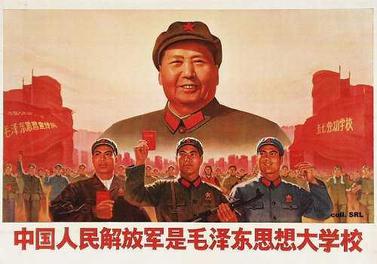
Cultural Revolution
Explore the key events and impacts of the Cultural Revolution. Discover how this pivotal period shaped modern China. Click to learn more!

Shanghai
Explore the rich history of Shanghai through a detailed timeline. Discover key events and transformations that shaped Shanghai into the vibrant and dynamic city it is today, starting from its ancient origins, through the colonial era, and into its rise as a global financial hub.
Hong Kong
Explore the comprehensive timeline of Hong Kong's rich and complex history. From its early days as a fishing village to its development as a British colony and eventual return to Chinese sovereignty, this timeline highlights the pivotal moments and key events that have shaped Hong Kong into the dynamic region it is today.

United States
Explore the historical timeline of the United States, covering key events from its founding to the present day. Delve into significant milestones that have shaped the nation, including the American Revolution, Civil War, civil rights movements, and more. Understand the critical moments that have influenced the social, political, and cultural evolution of America.

Changsha
Explore the rich history of Changsha through this detailed timeline, highlighting significant events and milestones that have shaped the city from its ancient origins to its modern prominence as a cultural and economic center in China.