1973 oil crisis
@1973oilcrisis1973 — 1979
Explore the key events of the 1973 oil crisis, its impact on the world, and how it shaped energy policies. Discover the timeline now!
Frequently asked questions about 1973 oil crisis
Discover commonly asked questions regarding 1973 oil crisis. If there are any questions we may have overlooked, please let us know.
What caused the 1973 oil crisis?
What were the economic impacts of the 1973 oil crisis?
What is the legacy of the 1973 oil crisis?
How did the 1973 oil crisis affect global politics?
Related Timepaths
People, places and organizations that appear in 1973 oil crisis’s events

Israel
Explore the significant historical events that have shaped the State of Israel, from its ancient roots to modern developments. This comprehensive timeline covers key moments such as the establishment of Israel in 1948, pivotal conflicts, peace agreements, and cultural milestones.

Yom Kippur War
Explore the detailed timeline of the Yom Kippur War, a conflict fought from October 6 to October 25, 1973, between Israel and the coalition of Arab states led by Egypt and Syria. Understand the key events, battles, and diplomatic efforts throughout the war that began on the holiest day in Judaism and significantly impacted the Middle Eastern geopolitical landscape.

OPEC
Explore the significant events in OPEC's history, from its formation to major decisions that shaped the oil market. Discover the timeline now!
Egypt
Explore the rich and diverse history of Egypt through a comprehensive timeline. From the ancient pharaohs and the construction of the pyramids to modern-day developments, discover key events and milestones in the evolution of Egyptian civilization.

Richard Nixon
Explore the significant milestones in the life and career of Richard Nixon, the 37th President of the United States, from his early life and political rise to his presidency and eventual resignation amid the Watergate scandal.

United States
Explore the historical timeline of the United States, covering key events from its founding to the present day. Delve into significant milestones that have shaped the nation, including the American Revolution, Civil War, civil rights movements, and more. Understand the critical moments that have influenced the social, political, and cultural evolution of America.
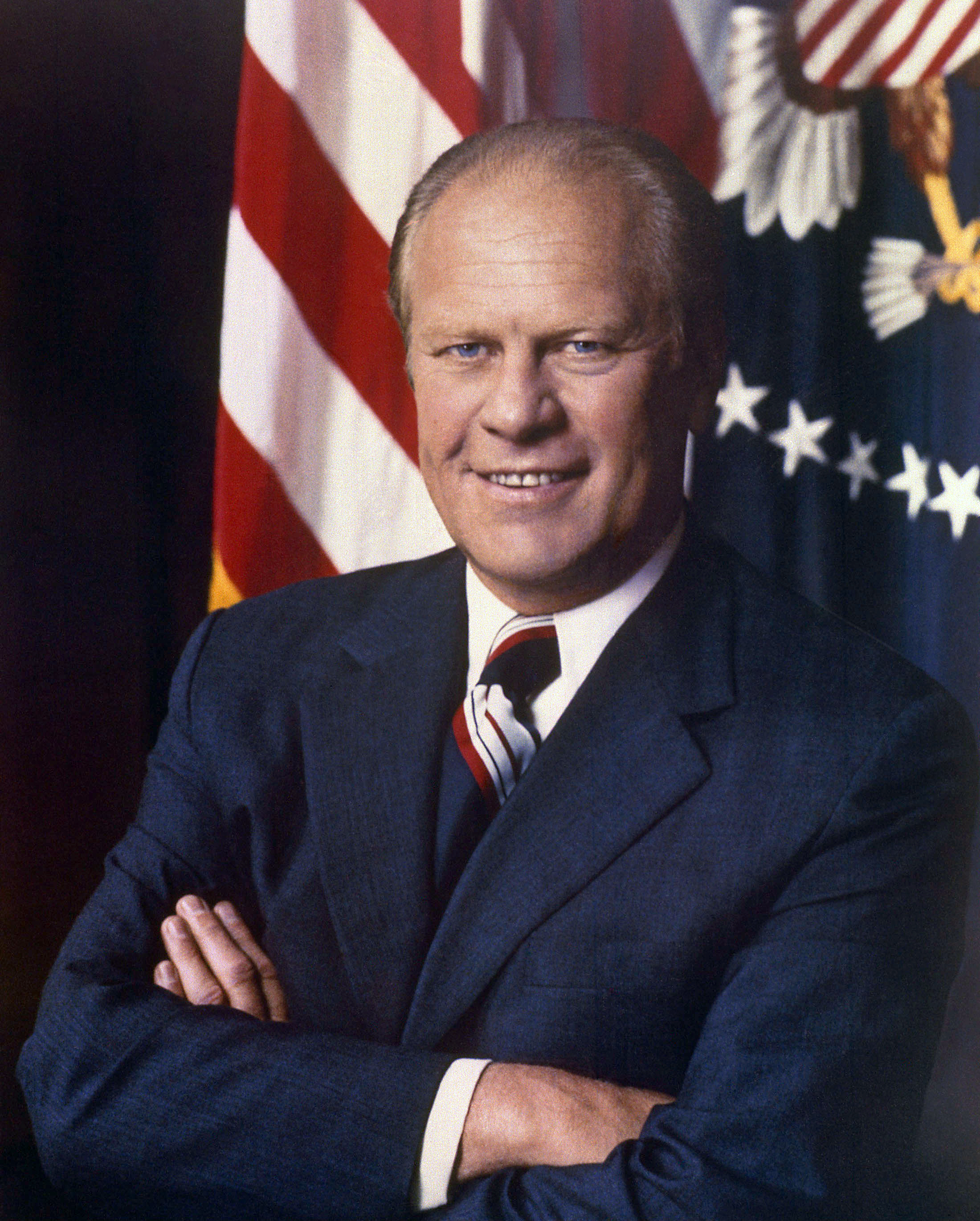
Gerald Ford
Explore the timeline of Gerald Ford, the 38th President of the United States. Discover key events and milestones in his life, from his early years and naval service in World War II to his entrance into politics, his time as Vice President, and his unexpected rise to the presidency following Nixon's resignation. Learn how Ford navigated America's post-Watergate period and his significant contributions to domestic and international policy.