1968 United States presidential election
@1968unitedstatespresidentialelection1967 — 1968
Explore the pivotal events of the 1968 U.S. presidential election. Discover key moments and figures that shaped this historic election.
Frequently asked questions about 1968 United States presidential election
Discover commonly asked questions regarding 1968 United States presidential election. If there are any questions we may have overlooked, please let us know.
Who were the main candidates in the 1968 presidential election?
What was the outcome of the 1968 presidential election?
What is the legacy of the 1968 presidential election?
What were the main issues during the 1968 United States presidential election?
Related Timepaths
People, places and organizations that appear in 1968 United States presidential election’s events

Vietnam War
Explore the comprehensive timeline of the Vietnam War, detailing major events from the war's origins to its conclusion. Delve into the historical context, pivotal battles, and significant political milestones that defined this complex conflict from its beginning in the 1940s through the official end in 1975.

United States
Explore the historical timeline of the United States, covering key events from its founding to the present day. Delve into significant milestones that have shaped the nation, including the American Revolution, Civil War, civil rights movements, and more. Understand the critical moments that have influenced the social, political, and cultural evolution of America.

Richard Nixon
Explore the significant milestones in the life and career of Richard Nixon, the 37th President of the United States, from his early life and political rise to his presidency and eventual resignation amid the Watergate scandal.
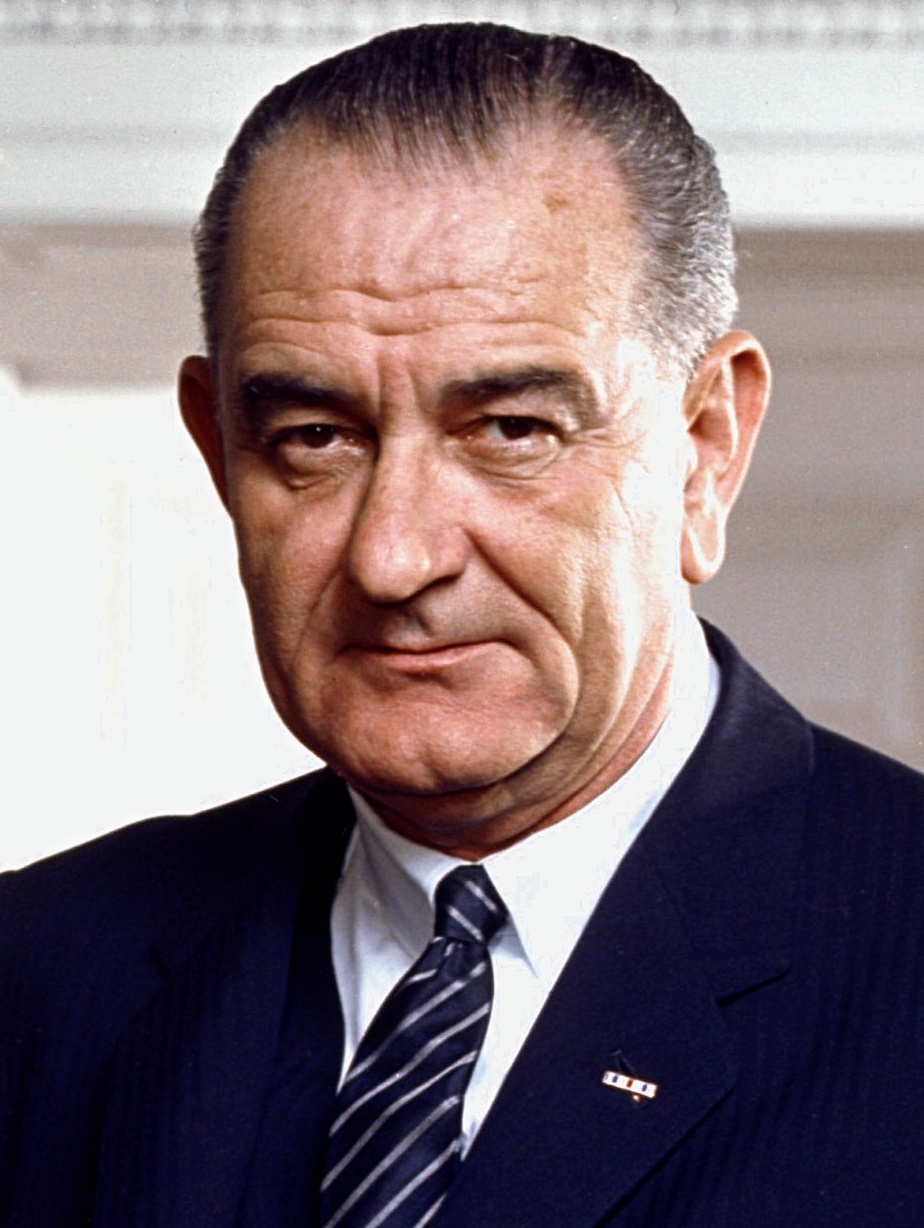
Lyndon B. Johnson
Explore the timeline of Lyndon B. Johnson, the 36th President of the United States, from his birth in 1908 to his presidency and beyond. Discover key events and milestones in his life, including his political career, major legislations like the Civil Rights Act and the Great Society programs, and his influence on American history.

Los Angeles
Explore the rich and diverse history of Los Angeles with our detailed timeline. Discover key events from its founding, through its growth into a major metropolis, to its cultural and economic impact today. This comprehensive timeline highlights the pivotal moments that have shaped Los Angeles into the vibrant city it is now.
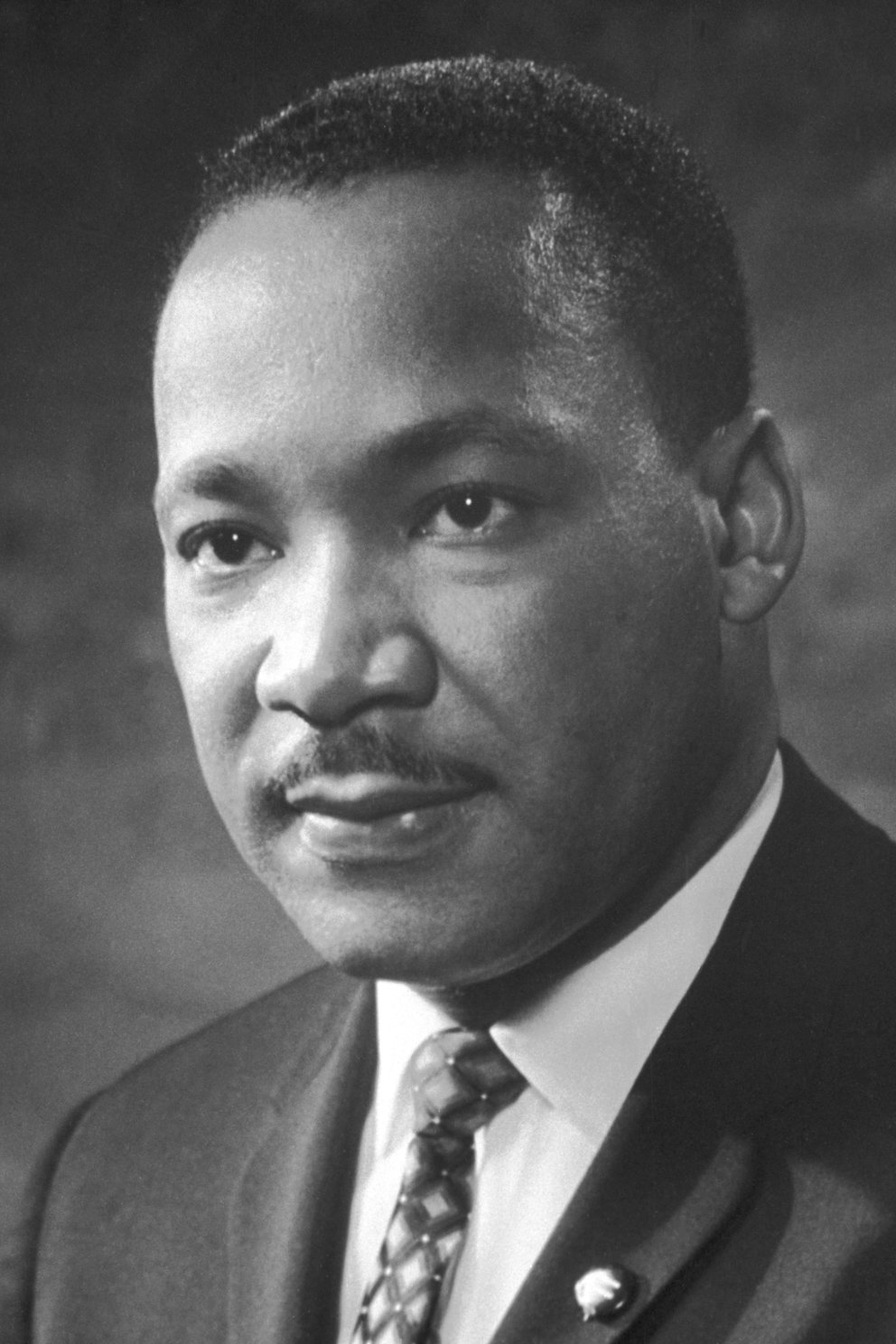
Martin Luther King Jr.
Explore the significant events and milestones in the life of Martin Luther King Jr., the influential civil rights leader. From his birth in Atlanta to his leadership in the American civil rights movement and his enduring legacy, this timeline highlights the key moments that shaped history and inspired millions.

Memphis
Explore the rich history of Memphis through this comprehensive timeline, highlighting significant events, cultural milestones, and historical figures that shaped the city's development from its founding to the present day. Learn about the city's origins, its role in the Civil Rights Movement, and its influence on music and culture worldwide.

Chicago
Explore the timeline of Chicago's rich history, including its founding in 1833, the Great Chicago Fire of 1871, the World's Columbian Exposition of 1893, and its development into a major American city. Discover pivotal moments and milestones that have shaped Chicago over the years.
Eugene
Explore the comprehensive timeline of Eugene, highlighting significant events and milestones that have shaped its history. From its founding, development, and cultural evolution, delve into the rich past of Eugene and its impact on the present.

John F. Kennedy
Explore the significant milestones in the life of John F. Kennedy, the 35th President of the United States. From his early years and military service to his political career and impactful presidency, this timeline provides an overview of JFK's life, including pivotal moments such as the Cuban Missile Crisis and the Space Race, leading up to his tragic assassination in 1963.